
Key Highlights
- Death Toll:Several fatalities reported due to structural collapses.
- Infrastructure Damage:Major cities face severe flooding and road blockages.
- Emergency Response:Rescue operations are underway amid ongoing rainfall.
Lahore, Pakistan—Heavy monsoon rains have wreaked havoc across Punjab province today, resulting in numerous fatalities and extensive damage to infrastructure. The storms began early this morning, with wind speeds reaching dangerous levels that overwhelmed many older buildings. Local rescue services confirmed multiple deaths by early afternoon, primarily caused by roofs collapsing under the weight of the rain. As rescue teams continue to sift through the rubble in the hardest-hit areas, officials anticipate that the death toll may rise as the day progresses.
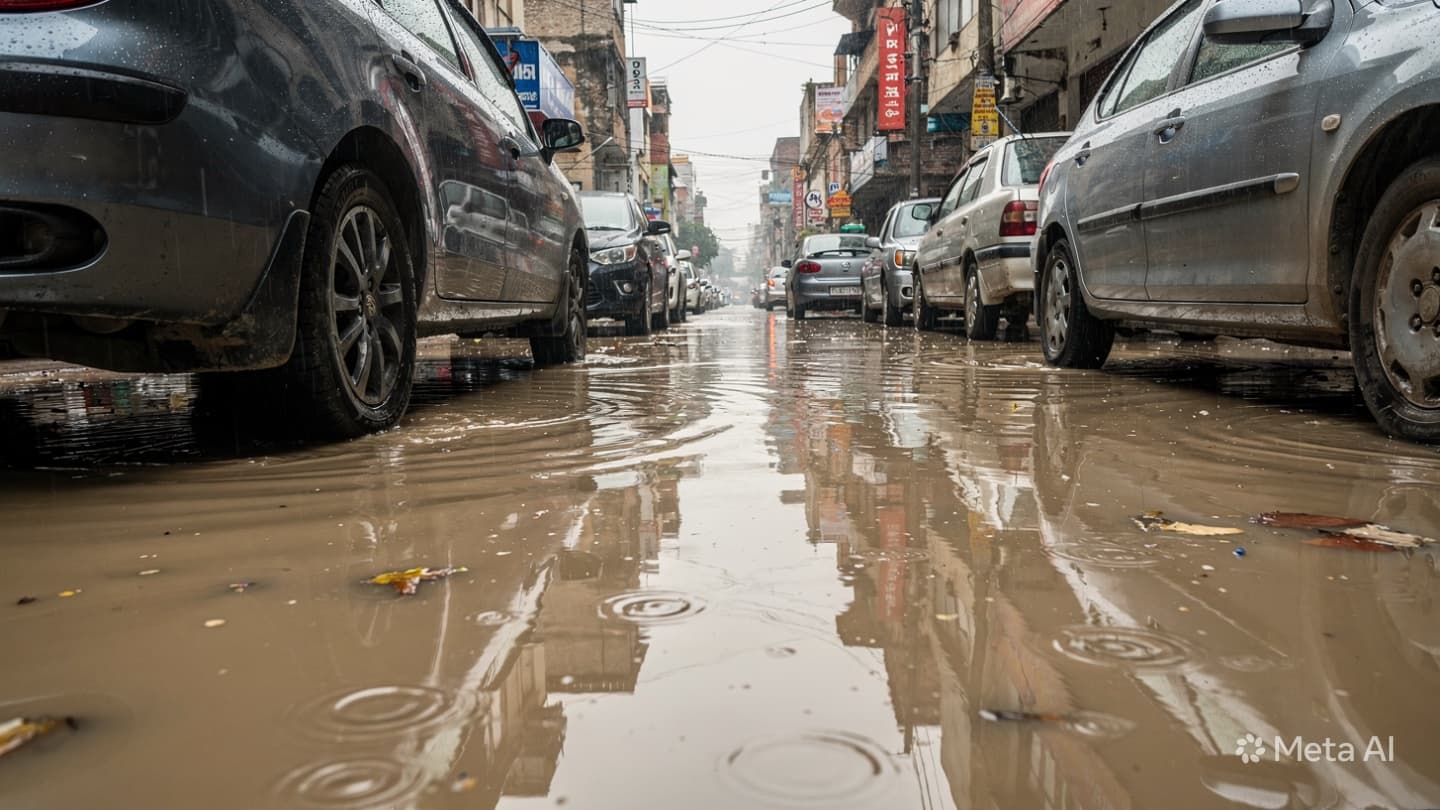
The intensity of the rainfall caught many families off guard, leading to significant challenges for local drainage systems. Major cities quickly transformed into rivers, with roads submerged within an hour of the first downpour. Vehicles became stranded in deep water, and pedestrians struggled to find safe passage. Municipal crews are actively working to clear debris from main roads, but ongoing rainfall complicates their efforts.
In response to the severe weather, the provincial disaster authority has issued a high-level alert for the next forty-eight hours, warning residents of the likelihood of continued heavy showers. People living in low-lying areas have been advised to evacuate immediately, and shelters are rapidly filling up across central districts. Despite the warnings, many residents are opting to stay in their homes to protect their belongings, further complicating the situation.
Hospitals in the affected regions are experiencing a surge in trauma cases, with most patients suffering injuries from falling debris or secondary accidents. The volume of rain has severely hampered transportation for emergency vehicles, making it difficult for ambulances to navigate flooded streets in outlying towns. Each delay in response adds to the challenges faced by relief efforts.
Senior officials have been touring the most affected neighborhoods to assess the damage and have pledged rapid financial assistance to the families of the victims. Residents have expressed frustration over the lack of adequate storm infrastructure, citing years of neglected drainage maintenance as a contributing factor to the current crisis. The government is focusing on immediate disaster mitigation efforts to address the ongoing situation.
Power grids have also suffered significant outages during the peak of the storms, leaving large portions of the population without electricity as evening approaches. Maintenance teams are on standby, waiting for the rain to subside before attempting repairs. Communication remains sporadic in rural areas, complicating the overall response as authorities gather reports from remote locations.
Rescue operations are set to continue throughout the night in the flooded zones, with the provincial government deploying additional police and military personnel to assist. As of now, there is no indication of when weather conditions might stabilize, and teams remain on standby for further emergency calls across the province.
Published by Banx Network. This article is part of the Banx decentralized media programme, powered by the BXE token on the XRP Ledger.



