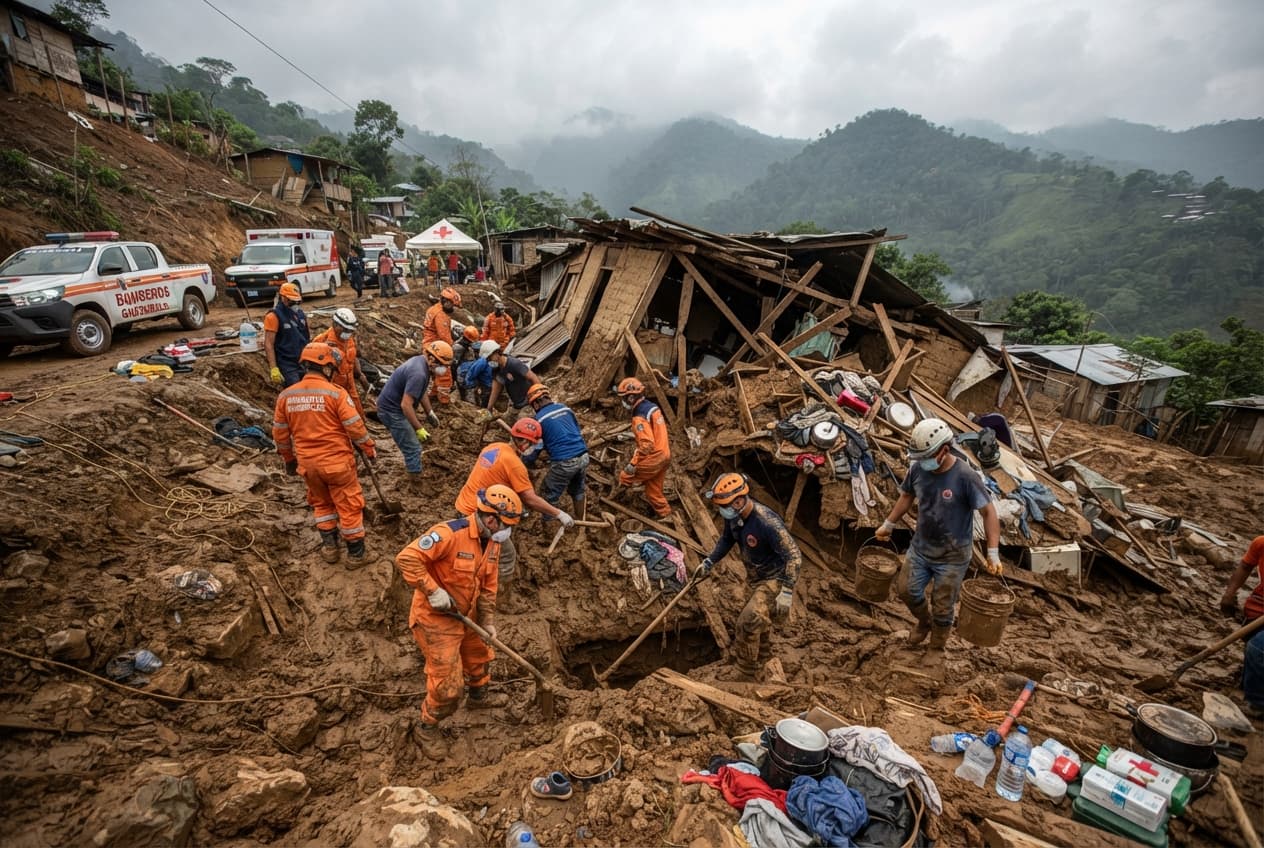
Kathmandu, Nepal—Rescuers in northern mountain districts spent the morning digging through thick mud and rock debris following a series of fatal landslides triggered by excessive rainfall. Central disaster authorities confirmed twenty-one fatalities after mudslides buried residential structures and swept away vital access bridges overnight. Search operations remain severely hindered by continuous slope failures and compromised rural road networks.
Heavy downpours over the past forty-eight hours destabilized steep hillsides, triggering massive soil collapses that cascaded into narrow river valleys below. Emergency dispatchers received frantic calls from isolated settlements as surging mudflows overwhelmed concrete embankments and swept away temporary worker housing along active infrastructure sites.
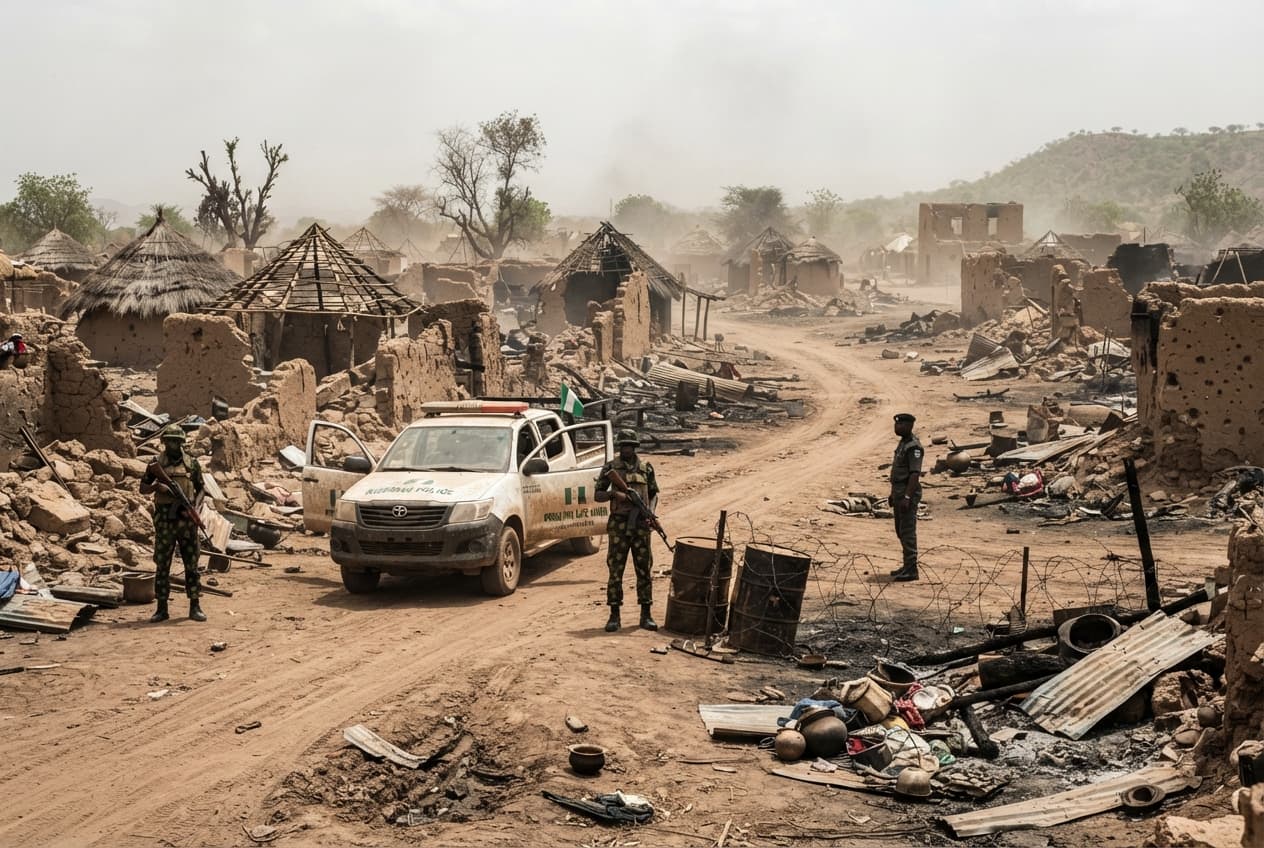
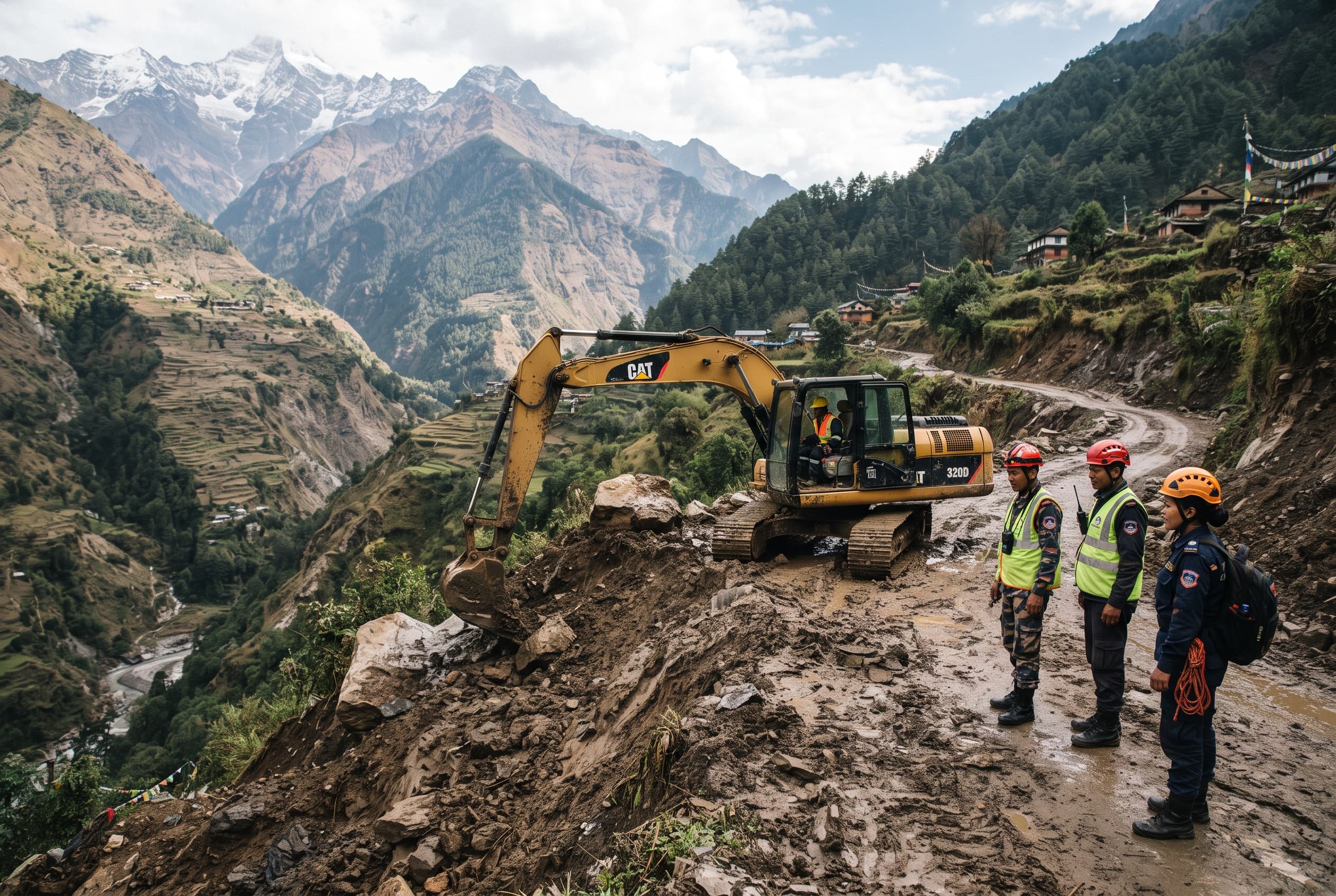
District security forces and armed police personnel deployed ground teams using hand tools and earth-moving equipment to clear blocked pass routes. Emergency medical units established field triage points near mountain transit hubs, though medical evacuations were delayed by low cloud cover that grounded search helicopters.
An officer from the National Disaster Risk Reduction and Management Authority confirmed in a brief update that emergency workers are actively searching for missing residents reported by local village councils. Officials noted that cut off communications and damaged cell towers are hampering accurate casualty assessments in remote high-altitude zones.
Hydroelectric stations situated along swollen river channels executed emergency shutdown protocols after suspended sediment and heavy debris threatened intake turbines. Plant operators reported extensive external damage to perimeter walls and access roads, forcing staff to evacuate higher ground positions on foot.
Local residents in impacted mountain districts worked alongside security forces to dig out trapped survivors using shovels and bare hands. Temporary wooden footbridges constructed across narrow gorges were washed away, stranding hundreds of mountain travelers and supply vehicles along steep access routes.
District administrators ordered the immediate evacuation of homes situated on unstable inclines, directing displaced families toward community halls and hilltop shrines. Relief logistics crews are currently attempting to transport food rations, tarpaulins, and clean drinking water to cut-off pockets using all-terrain vehicles.
Geological survey teams warned that saturated ground conditions remain extremely volatile, posing an immediate hazard of secondary slope failures along major transport arteries. Local governance centers have advised citizens in high-risk terrain to remain indoors and avoid travel near active river channels.
Search and recovery operations are continuing in lower valley settlements where floodwaters deposits have begun to recede slightly. Emergency crews remain on site as local authorities attempt to clear vital routes and secure precarious slopes before nightfall.
Published by Banx Network. This article is part of the Banx decentralized media programme, powered by the BXE token on the XRP Ledger.