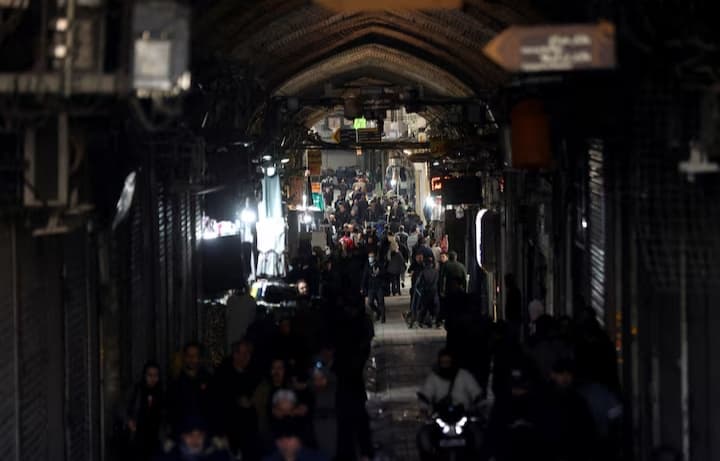
Protests have erupted across various cities in Iran, ignited by growing discontent over economic hardships that continue to plague the nation. Reports from local sources indicate that several individuals have been killed during clashes between protesters and security forces, marking a grim escalation in civil unrest.
The protests began as a response to skyrocketing inflation, high unemployment rates, and diminishing living standards. Many Iranians are struggling to make ends meet as essential goods become increasingly unaffordable. Demonstrators have taken to the streets to express their anger and demand tangible action from the government to address these escalating economic issues.
Eyewitness accounts describe scenes of chaos as security forces attempted to disperse crowds using tear gas and live ammunition. The Iranian government has acknowledged the protests but has portrayed them as the actions of a "destructive minority," emphasizing its commitment to restoring order.
Activists argue that the government's heavy-handed approach is exacerbating the situation, with calls for accountability and reform growing louder. They accuse the government of failing to manage the economy effectively and of prioritizing political power over the wellbeing of its citizens.
International human rights organizations have condemned the violence against protesters and called on the Iranian authorities to respect the right to peaceful assembly. As the situation continues to unfold, the international community watches closely, with concerns that further repression could lead to wider unrest in a nation already grappling with numerous challenges.
Published by Banx Network. This article is part of the Banx decentralized media programme, powered by the BXE token on the XRP Ledger.