
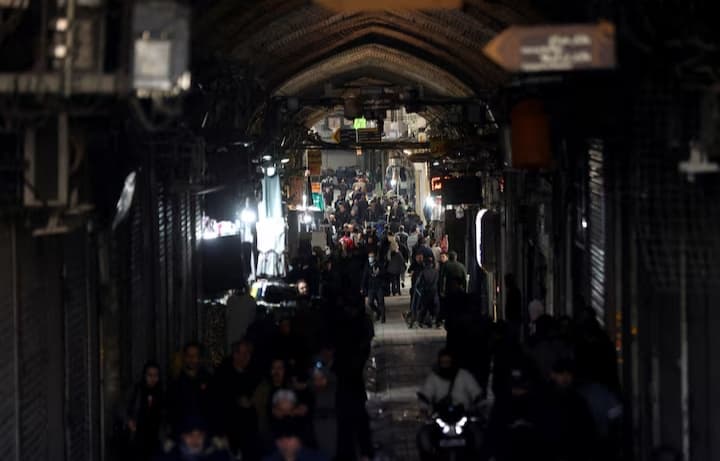
Key Highlights
- Fatalities:Several individuals reported killed in protests.
- Economic Crisis:Protests driven by soaring inflation and unemployment.
- Government Response:Authorities label protesters as a 'destructive minority'.
Protests have erupted across various cities in Iran, ignited by growing discontent over economic hardships that continue to plague the nation. Reports from local sources indicate that several individuals have been killed during clashes between protesters and security forces, marking a grim escalation in civil unrest. Eyewitness accounts describe scenes of chaos as security forces attempted to disperse crowds using tear gas and live ammunition.
The protests began as a response to skyrocketing inflation, high unemployment rates, and diminishing living standards. Many Iranians are struggling to make ends meet as essential goods become increasingly unaffordable. Demonstrators have taken to the streets to express their anger and demand tangible action from the government to address these escalating economic issues. The situation has become increasingly dire, with many citizens feeling that their voices are not being heard.
Activists argue that the government's heavy-handed approach is exacerbating the situation, with calls for accountability and reform growing louder. They accuse the government of failing to manage the economy effectively and of prioritizing political power over the wellbeing of its citizens. As protests continue, the Iranian government has acknowledged the unrest but has portrayed it as the actions of a 'destructive minority,' emphasizing its commitment to restoring order.
International human rights organizations have condemned the violence against protesters and called on the Iranian authorities to respect the right to peaceful assembly. The United Nations and various NGOs have urged the Iranian government to engage in dialogue with its citizens and address their grievances. As the situation continues to unfold, the international community watches closely, with concerns that further repression could lead to wider unrest in a nation already grappling with numerous challenges.
The protests reflect a broader discontent with the Iranian regime, which has faced criticism not only for its economic policies but also for its human rights record. The ongoing unrest serves as a reminder of the fragile state of civil liberties in Iran and the potential for significant change if the government fails to respond adequately to the needs of its people.
As the protests gain momentum, the world is left to ponder the implications of this unrest for Iran's future and the potential for a shift in the political landscape.
Published by Banx Network. This article is part of the Banx decentralized media programme, powered by the BXE token on the XRP Ledger.



