Basra, Iraq—A catastrophic overpressure explosion inside a gas processing plant outside Basra killed three technicians and injured seven others on September 29, 2026, triggering immediate emergency shutdowns across the industrial facility.
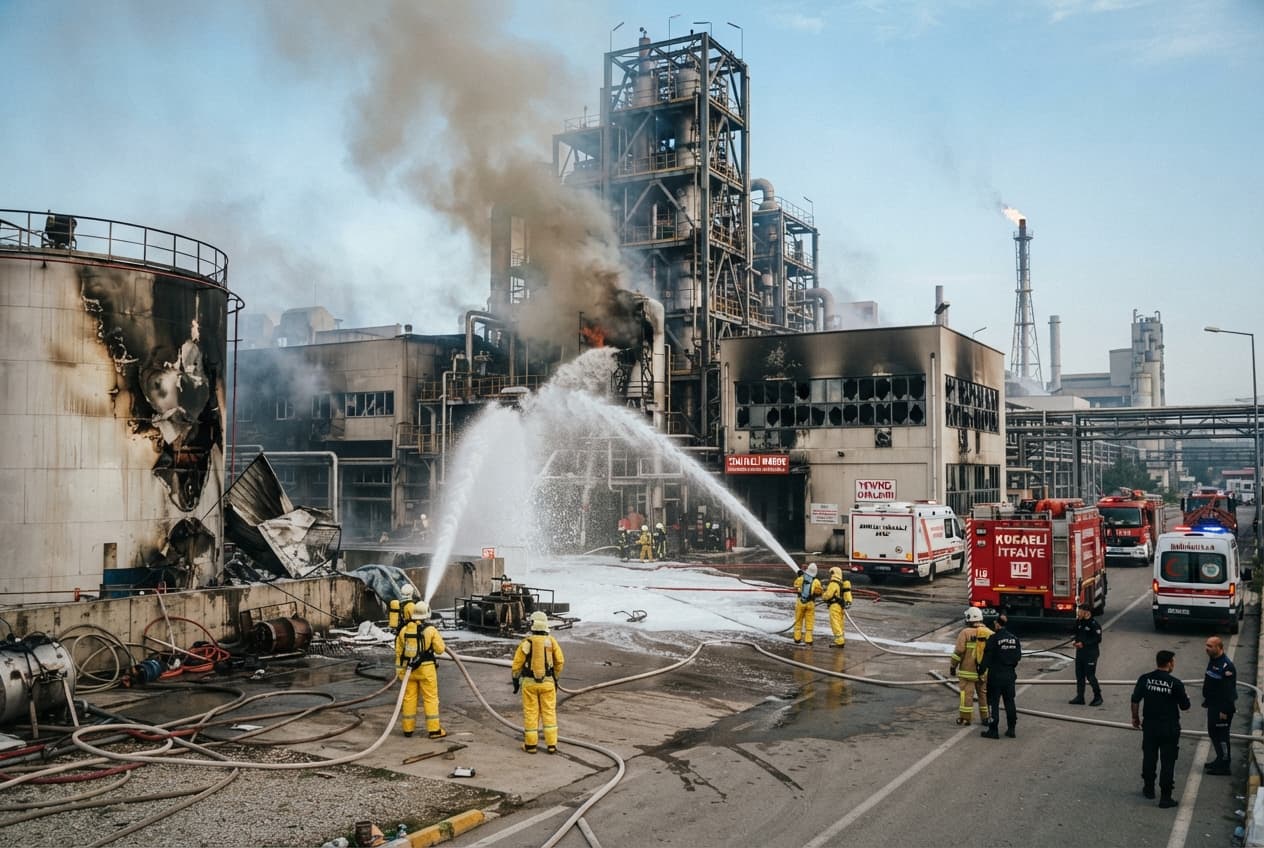
Emergency response crews rushed to the site shortly after 09:00 AM as dense black smoke erupted from a primary gas compression unit. Industrial firefighters spent over two hours suppressing localized structural blazes while search teams extracted injured contractors from ruined processing bays.
Preliminary forensic checks indicate a sudden pressure spike along a pressurized transmission line initiated the rupture, causing an immediate ignition that tore through adjacent control modules. Three shift operators died instantly from the thermal blast wave, while medical crews transferred seven workers suffering from severe burns and blast trauma to Basra General Hospital.
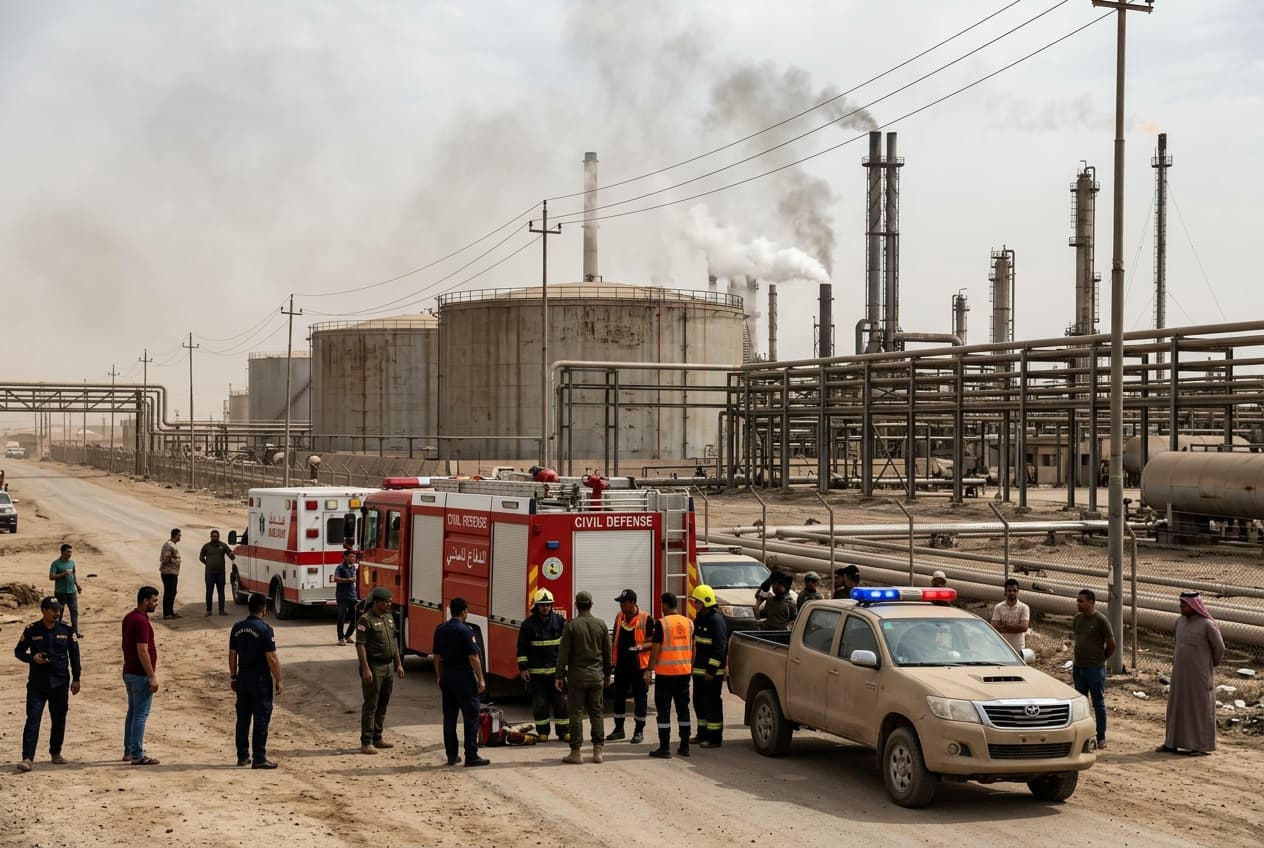
Civil defense teams sealed off surrounding access roads, prohibiting civilian transport within two kilometers of the perimeter wall. Hazardous material units monitored ambient air quality along the site border to verify no toxic gas plumes were leaking toward surrounding residential communities.
The facility serves as a vital processing node for regional natural gas infrastructure, converting raw oilfield casing gas into fuel feedstocks for domestic power stations. Operations at the affected processing train remain entirely suspended while safety engineers inspect structural integrity across neighboring pipeline manifolds.
"Our technical investigation teams are examining the automated pressure relief valves and monitoring logs to determine why secondary emergency cutoffs failed," stated a senior Ministry of Oil official during an initial press briefing. Regional ministry inspectors confirmed that specialized forensic auditors arrived on site to evaluate compliance with operational safety standards.
Union organizers representing energy sector workers pointed to persistent deferred maintenance schedules and continuous high-capacity operations across southern facilities as contributing operational hazards. Most state-managed energy infrastructure operates under heavy stress to maintain national power grid generation targets.
Site security personnel established a secure perimeter around the ruined compression building to preserve physical evidence for national safety inspectors. Technical crews expect unit repairs and safety reviews to take weeks before partial operations resume at the facility.
Published by Banx Network. This article is part of the Banx decentralized media programme, powered by the BXE token on the XRP Ledger.