Key Highlights
- Seven fatalities reported in Tripoli clashes, including civilians.
- Heavy fighting involves machine guns and rocket-propelled grenades.
- Emergency services face challenges due to sniper fire and power outages.
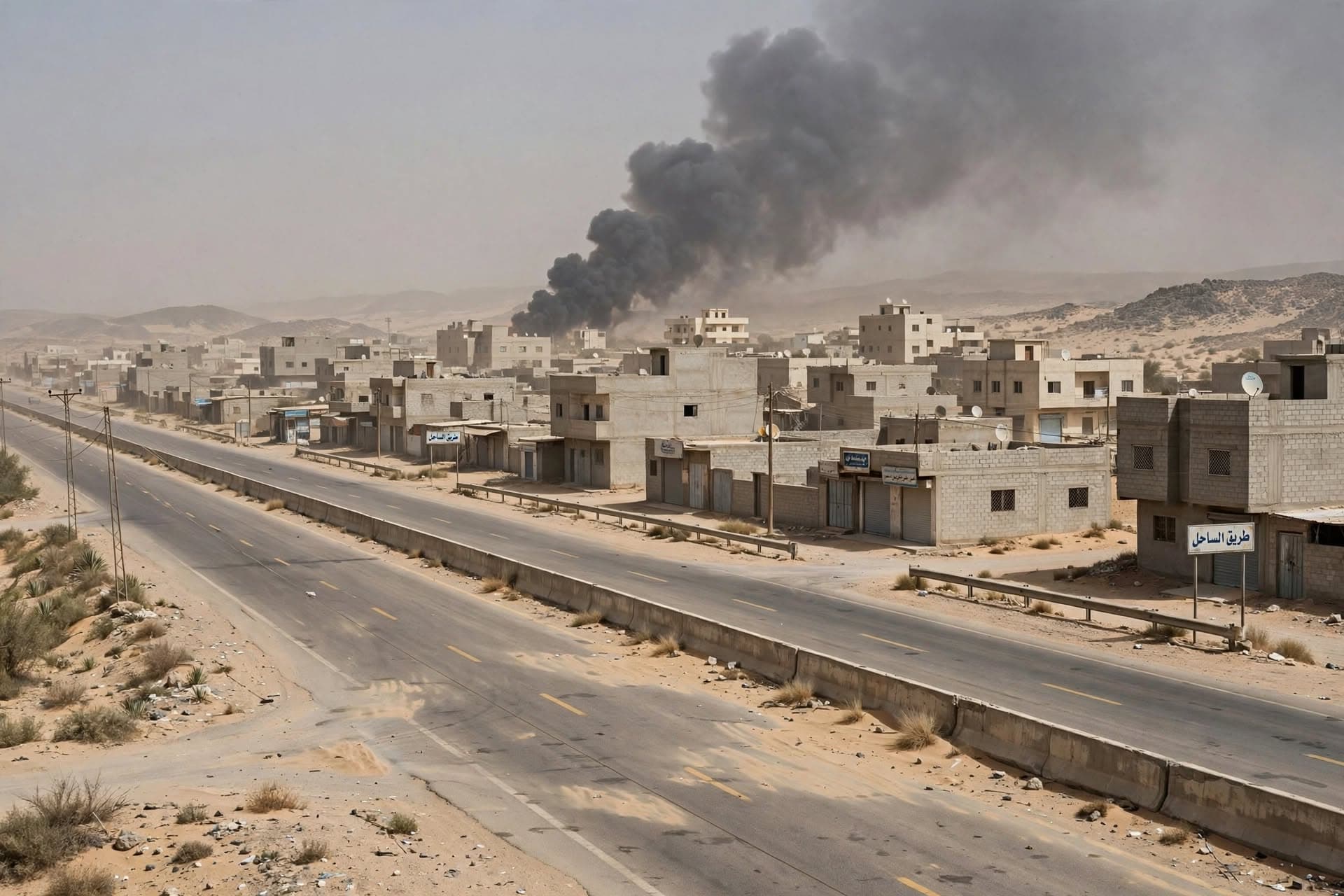
Violent street combat erupted in the southern suburbs of Tripoli, Libya, on Sunday morning, resulting in the deaths of seven individuals, including two civilians. The clashes, which involved rival armed factions, forced hundreds of families to seek refuge in their homes as heavy machine guns, anti-aircraft cannons, and rocket-propelled grenades were fired across densely populated residential areas.
The violence escalated overnight after one faction set up unauthorized security checkpoints along a major road leading to the capital's secondary airport. In response, counter-units deployed armored vehicles to dismantle these barriers, igniting a sustained exchange of fire that spread across three municipal districts. The intensity of the conflict has raised alarms among local residents, many of whom are now trapped in their homes.
Emergency ambulance services attempted to reach the combat zones, but heavy sniper fire along main thoroughfares delayed medical access for hours. Field doctors confirmed the seven fatalities, which included two civilians who were caught in the crossfire while trying to escape in their vehicles. The situation has become dire, with black smoke rising over the southern skyline as artillery rounds ignited two commercial warehouses and severed overhead electrical distribution lines.
The regional power utility has reported widespread blackouts across the southern suburbs, which have disabled municipal water pumps and local hospital backup systems. In light of the escalating crisis, Tareq al-Gharabili, spokesperson for the Ministry of Interior, issued an urgent statement calling for an immediate cease-fire and the withdrawal of all technical vehicles from residential streets. "Armed formations launched unauthorized tactical movements within civilian quarters," al-Gharabili stated. "Specialized security units are working to establish buffer zones between the conflicting parties."
As the violence continued, airports across the capital region suspended commercial flight operations, diverting incoming international flights to secondary coastal terminals. Municipal bus lines and commercial freight routes leading into the city center were completely blocked by abandoned vehicles and sand embankments, further complicating the situation for residents.
Humanitarian organizations have established emergency corridor requests to allow civil defense teams to evacuate injured residents and deliver medical supplies to district clinics. Local hospitals have issued urgent appeals for blood donations as trauma units operate under emergency generator power, struggling to cope with the influx of casualties.
In response to the violence, government leaders convened an emergency security council meeting to draft a de-escalation agreement and order neutral security forces into the contested neighborhoods. Legal authorities have announced investigations into faction commanders responsible for initiating heavy weapons fire in civilian zones. As the day progressed, armored security patrols began entering key intersections late Sunday afternoon, although sporadic gunfire continued to echo across the outer perimeter. Emergency repair crews remain on standby to enter the damaged neighborhoods once military observers confirm a stable cease-fire.
Published by Banx Network. This article is part of the Banx decentralized media programme, powered by the BXE token on the XRP Ledger.