In the rugged, mist-shrouded valleys of Nepal, where the earth is as volatile as it is beautiful, a miracle has unfolded against the odds. More than a week after devastating floods swept through the region, burying infrastructure and claiming lives, two construction workers were rescued from a collapsed tunnel. Their survival, emerging from days of darkness and uncertainty, serves as a poignant testament to human resilience and the unyielding determination of rescue teams. This event is not just a news story; it is a narrative of hope carved out of tragedy, reminding us of the fragile line between life and loss in the face of natural forces.
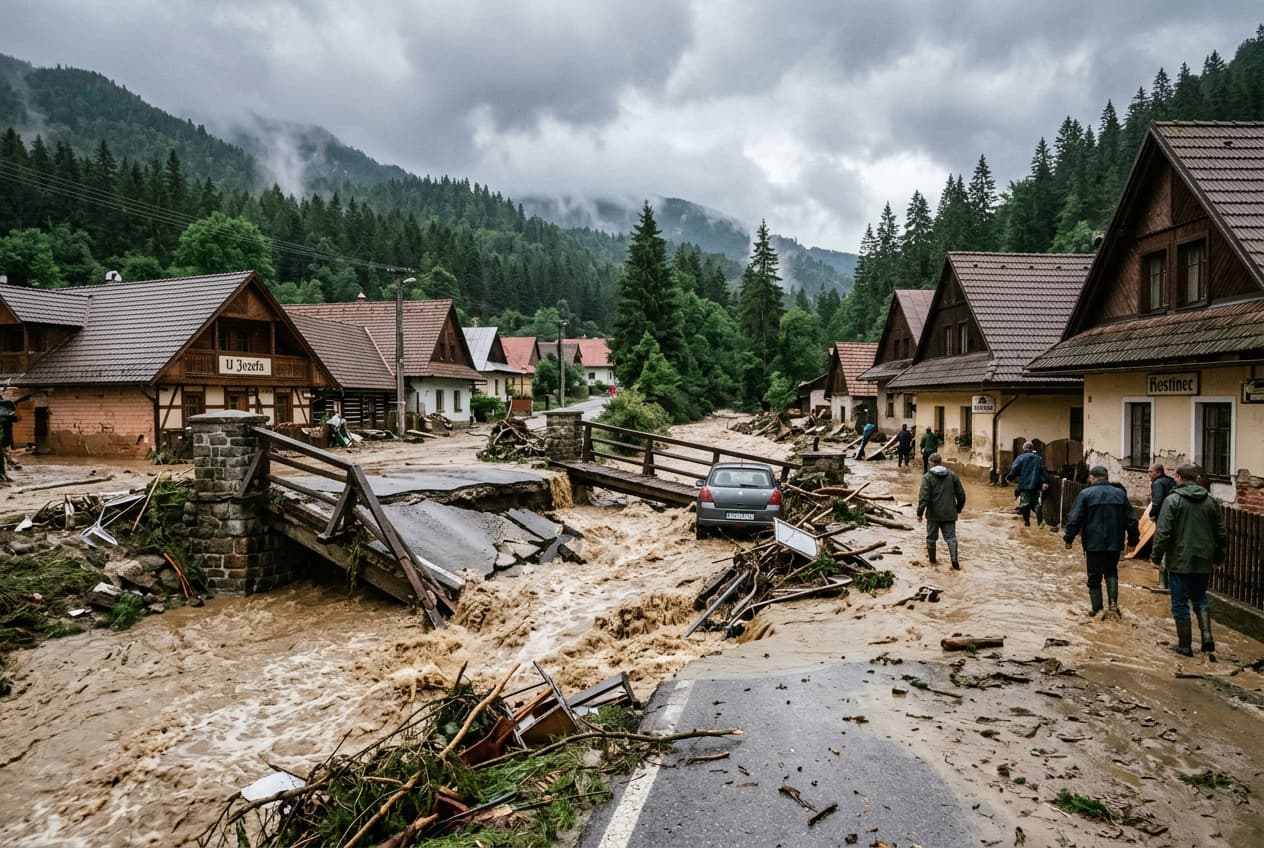
The floods, triggered by intense monsoon rains, had caused widespread destruction, washing away roads and triggering landslides that sealed the tunnel entrance. For over a week, the fate of the trapped workers remained unknown, a source of deep anxiety for their families and the local community. Rescue efforts were hampered by the unstable terrain and the sheer volume of debris, requiring heavy machinery and careful coordination to avoid further collapse. Each hour that passed without contact heightened the fear that the worst had occurred.
Yet, beneath the rubble, life persisted. The two men, whose identities have been shared with relief by local authorities, managed to survive in an air pocket within the tunnel structure. They reportedly subsisted on limited resources, maintaining hope through mutual support and the faint sounds of digging above. Their endurance highlights the extraordinary capacity of the human spirit to withstand extreme conditions, even when the world outside seems to have fallen silent.
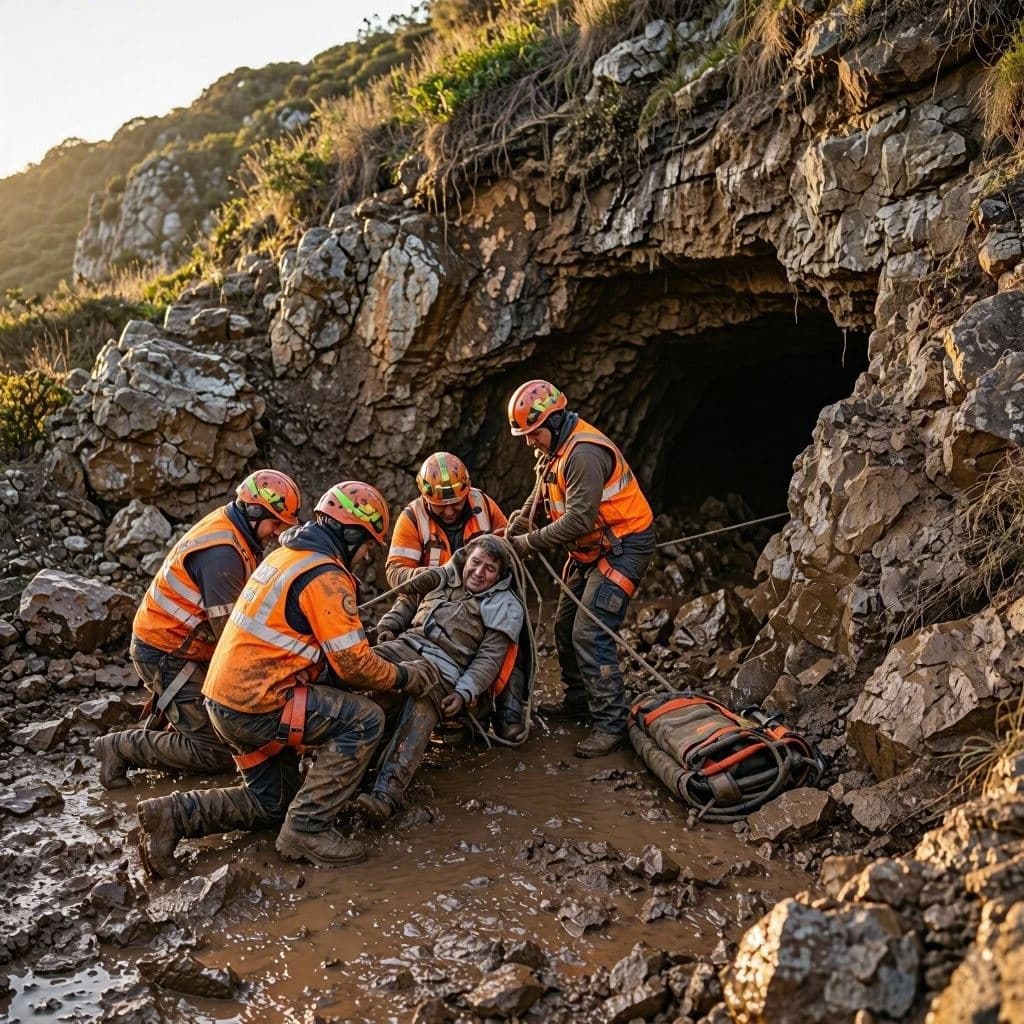
The rescue operation was a collaborative effort involving local police, army personnel, and community volunteers. Using excavators and manual labor, they worked around the clock, driven by the belief that no one should be left behind. The moment when the survivors were finally pulled into the daylight was met with cheers and tears, a collective release of tension that had gripped the region. It was a victory not just for the individuals saved, but for the entire community that refused to give up.
Medical teams immediately attended to the survivors, treating them for dehydration, exhaustion, and minor injuries. While their physical recovery is expected to be straightforward, the psychological impact of such an ordeal will take time to heal. Counseling and support services are being offered to help them process the trauma of their confinement and the loss of colleagues who did not survive the initial disaster. Their story is one of survival, but it is also marked by the sorrow of those who were lost.
This incident underscores the vulnerabilities of infrastructure in regions prone to extreme weather events. As climate change intensifies monsoon patterns, the risk of such disasters increases, posing challenges for development and safety. Engineers and policymakers are now reviewing construction standards and emergency response protocols to better protect workers and residents in high-risk areas. The lesson learned here is costly, but it may prevent future tragedies.
For the families of the rescued men, the return of their loved ones is a gift beyond measure. The community continues to mourn those who died in the floods, balancing grief with gratitude for the lives saved. The tunnel, once a site of terror, now stands as a symbol of perseverance. It reminds us that even in the deepest darkness, there is always the possibility of light.
The rescue of two workers from a flooded tunnel in Nepal after more than a week highlights the resilience of the human spirit and the dedication of emergency responders in the face of natural disasters.
AI Image Disclaimer: Please note that any accompanying visuals for this report are artificially generated representations intended for illustrative purposes only.
Sources: The Kathmandu Post Reuters BBC News Al Jazeera
Published by Banx Network. This article is part of the Banx decentralized media programme, powered by the BXE token on the XRP Ledger.