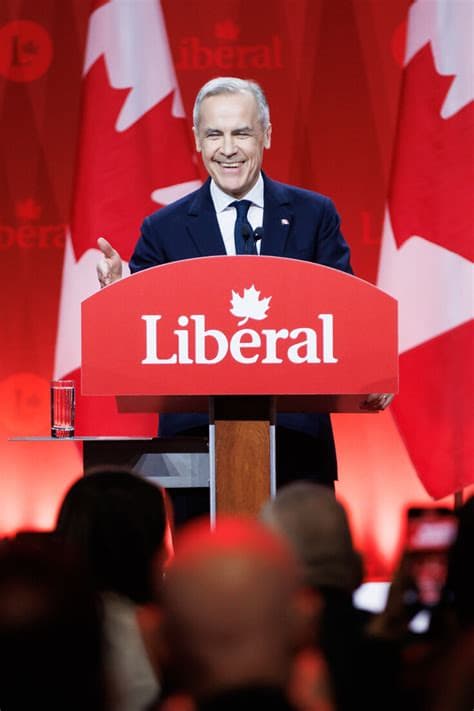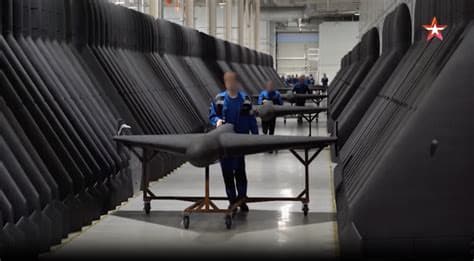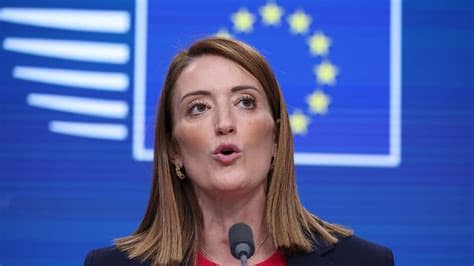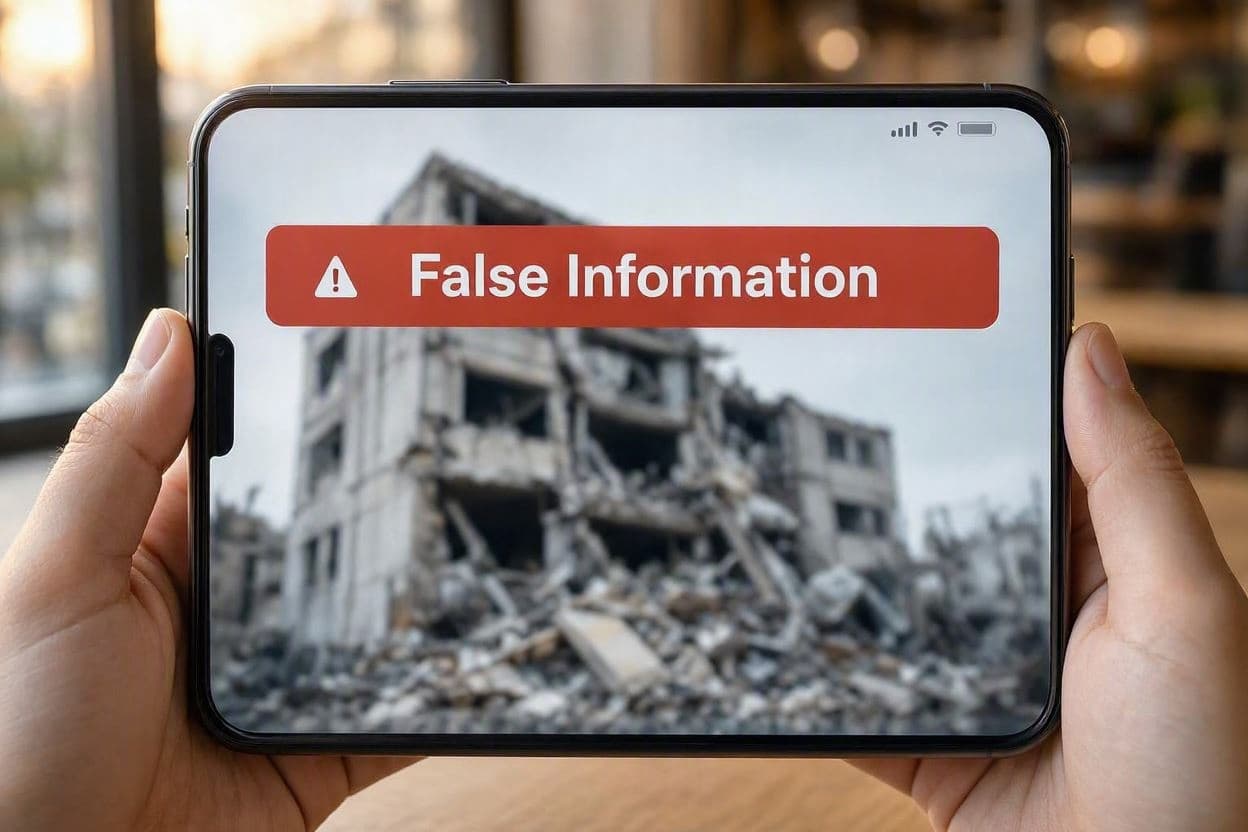
In the digital age, images travel faster than diplomacy, shaping public perception before facts are fully verified. Recent photos circulating online claim to show widespread damage at United States military and diplomatic sites resulting from Iranian attacks. However, a careful examination of these visuals and official statements reveals a more complex reality, underscoring the importance of distinguishing between verified news and misinformation in times of geopolitical tension.
Official sources, including the Department of Defense, have reported no such widespread destruction on U.S. soil. While tensions between the U.S. and Iran have escalated in various regions, particularly in the Middle East, there is no evidence of direct kinetic strikes on American territory causing the level of damage depicted in the viral images. Many of the photos appear to be from previous conflicts, video game simulations, or unrelated industrial accidents, repurposed to fuel narrative-driven fear.
The spread of such imagery highlights the challenges of information warfare. In moments of crisis, bad actors often exploit social media platforms to disseminate false content, aiming to provoke emotional reactions and undermine trust in institutions. For the average viewer, distinguishing authentic footage from manipulated or misattributed media requires critical thinking and reliance on credible news sources. It is a reminder that seeing is not always believing in the modern digital landscape.
Experts in open-source intelligence have analyzed the metadata and visual characteristics of the circulating photos, finding inconsistencies that point to their fabricated nature. Shadows, lighting, and structural details often do not align with the claimed locations or timelines. These technical discrepancies serve as red flags for journalists and fact-checkers who work tirelessly to verify information before it spreads further.
The psychological impact of these false images is significant. They can create a sense of imminent threat and panic, even when no physical danger exists. This anxiety can influence public opinion and policy debates, potentially leading to hasty decisions based on inaccurate premises. Therefore, promoting media literacy and encouraging skepticism toward unverified sources is essential for maintaining social stability.
Government officials have urged the public to rely on official channels for updates regarding national security. Transparency and clear communication are vital tools in countering disinformation campaigns. By providing timely and accurate information, authorities can help mitigate the spread of rumors and reassure citizens about the actual state of affairs.
International relations remain delicate, with both the U.S. and Iran engaging in diplomatic and strategic maneuvers. While rhetoric may be sharp, the absence of direct large-scale attacks on U.S. soil indicates that certain boundaries are still being respected. Understanding this nuance is crucial for interpreting global events without falling prey to sensationalism.
As we navigate this complex information environment, the responsibility falls on each of us to verify before we share. By supporting credible journalism and questioning suspicious content, we contribute to a more informed and resilient society. In the end, truth remains the most powerful defense against the chaos of misinformation.
AI Image Disclaimer: The images accompanying this article are AI-generated artistic interpretations of digital misinformation concepts and are not actual photographs of damaged sites.
Sources: Reuters Associated Press Snopes
Published by Banx Network. This article is part of the Banx decentralized media programme, powered by the BXE token on the XRP Ledger.