In the high-stakes theater of Senate confirmations, few moments are as scrutinized as the questioning of a nominee for Surgeon General. Senator Bill Cassidy, a Republican from Louisiana and a physician himself, recently engaged in a rigorous examination of the administration’s pick for the role, focusing intensely on vaccine policy. The exchange highlighted the enduring tensions surrounding public health mandates and the role of science in political decision-making.
Cassidy, known for his medical background, used his expertise to probe the nominee’s views on vaccine efficacy, safety monitoring, and communication strategies. He questioned whether the current framework adequately addresses public concerns and ensures transparency. For Cassidy, the issue is not just about scientific data but about restoring trust in health institutions that have faced skepticism in recent years. His line of questioning reflected a desire for a more nuanced approach to public health guidance.
The nominee, facing tough questions, defended the administration’s record while acknowledging the need for improved engagement with hesitant communities. They emphasized the life-saving impact of vaccines and the importance of following expert recommendations. However, the dialogue revealed a gap between official narratives and public perception, a challenge that the next Surgeon General will need to address head-on.
This hearing comes at a time when vaccine confidence remains a polarizing topic. While many Americans continue to rely on immunizations for protection, others remain wary due to misinformation or past experiences. The Surgeon General plays a crucial role in bridging this divide, serving as the nation’s doctor and a trusted voice of authority. The confirmation process tests the nominee’s ability to navigate this complex landscape.
Senator Cassidy’s approach was notable for its technical depth, moving beyond political rhetoric to discuss specific medical studies and regulatory processes. This level of detail is rare in confirmation hearings and underscores the seriousness with which he views the position. It also signals to the administration that healthcare appointments will face thorough vetting, regardless of party affiliation.
The broader political context adds weight to the exchange. With midterm elections approaching, healthcare remains a key issue for voters. How the Senate handles this nomination could influence public opinion and party dynamics. Both sides are aware that the outcome sets a tone for future debates on medical policy and government oversight.
For the medical community, the hearing offers insights into the priorities of the incoming administration. Will there be a shift toward more decentralized decision-making or a reinforcement of federal guidelines? The answers to these questions will shape the public health response to future challenges, from pandemics to chronic disease management.
As the confirmation process continues, all eyes remain on the nominee’s responses and the Senate’s ultimate decision. The dialogue between Cassidy and the candidate serves as a reminder that science and politics are inextricably linked. Finding a balance between evidence-based policy and public trust is the enduring challenge of modern governance.
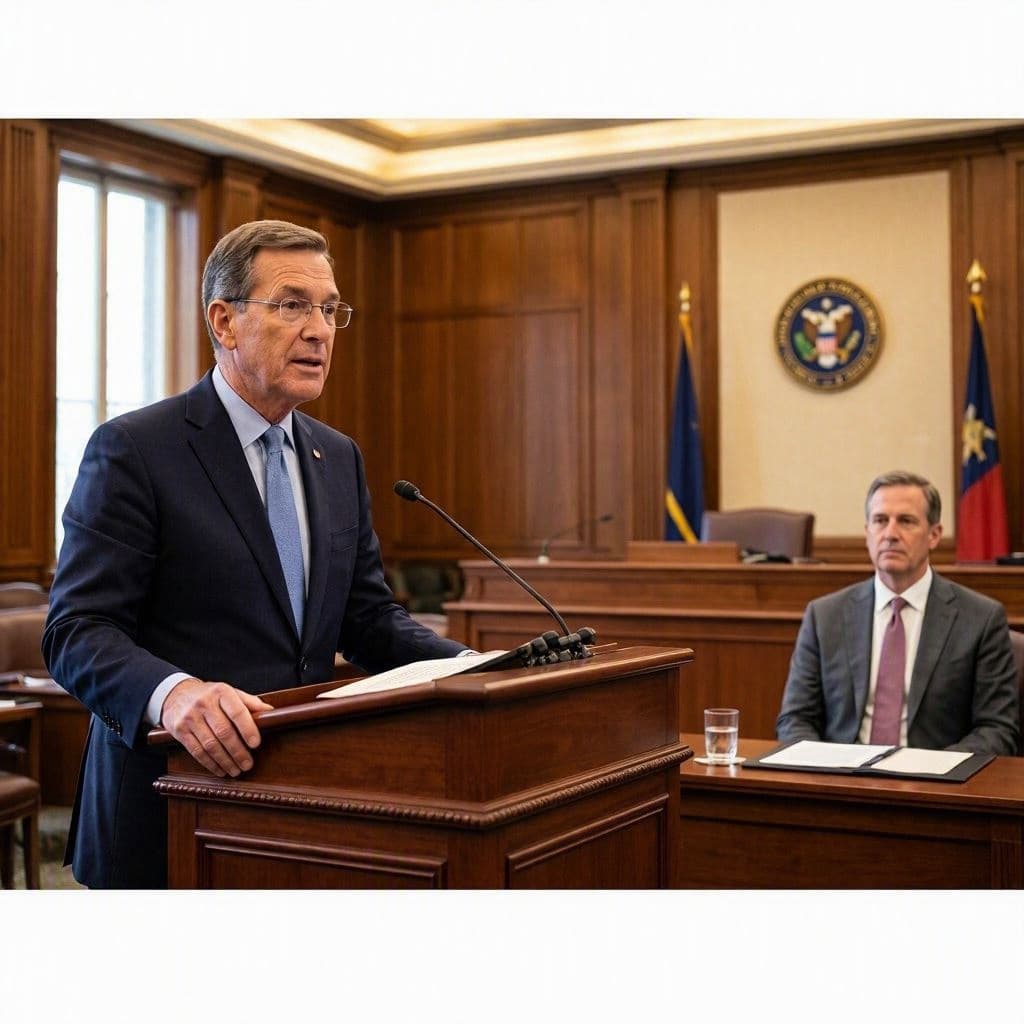
AI Image Disclaimer: The images accompanying this article are AI-generated artistic interpretations of Senate hearings and medical concepts, not actual photographs of Senator Cassidy or the nominee.
Sources: The Hill Politico CNN
Published by Banx Network. This article is part of the Banx decentralized media programme, powered by the BXE token on the XRP Ledger.