
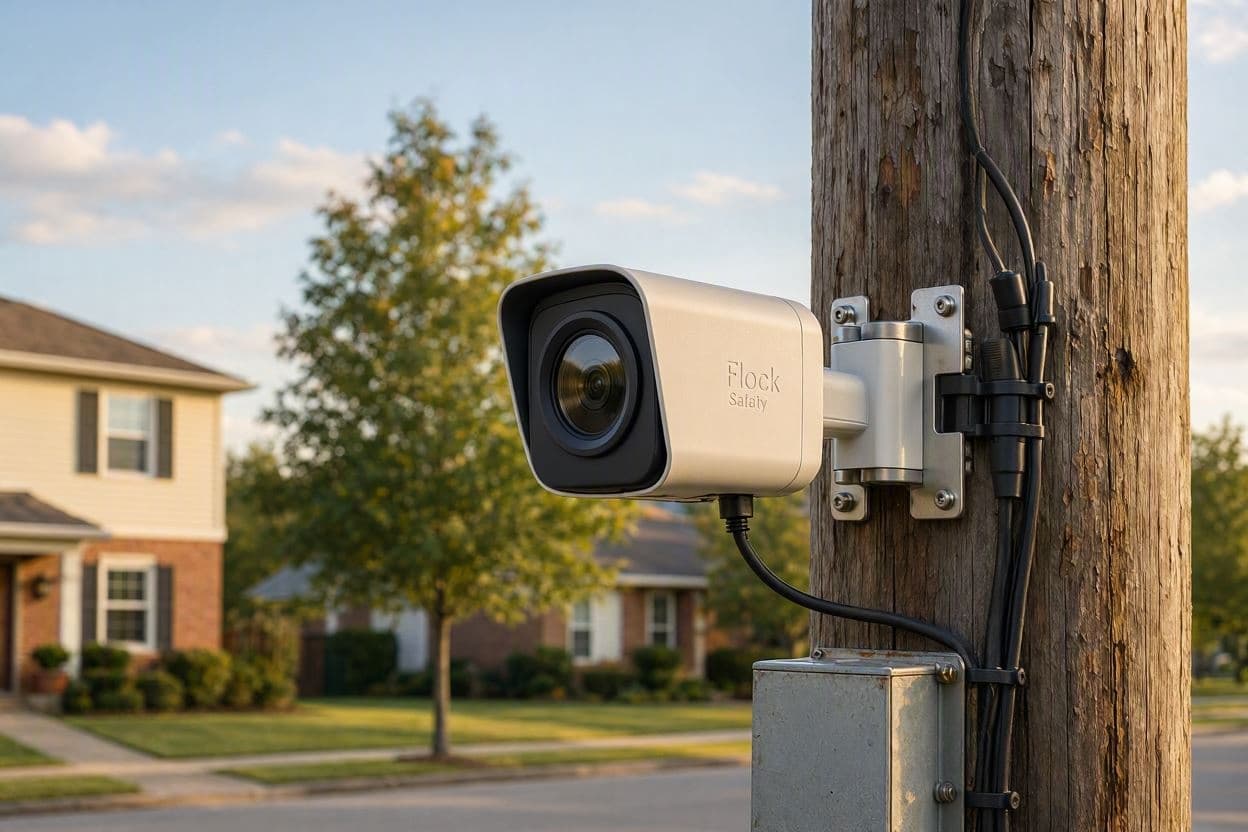
In neighborhoods across America, small, unassuming devices mounted on poles and utility boxes are quietly recording the comings and goings of daily life. These are Flock Safety cameras, automated license plate readers that have become ubiquitous in cities and suburbs alike. Designed to help law enforcement solve crimes by tracking vehicle movements, they have sparked a growing debate about privacy, surveillance, and the balance between security and civil liberties. Now, this debate has reached the halls of Congress, as senators launch an investigation into the widespread use of these devices.
The technology works by capturing images of license plates and using artificial intelligence to log data such as time, location, and vehicle description. This information is stored in a vast network accessible to police departments, allowing them to track suspects and reconstruct timelines with unprecedented ease. For many communities, the cameras have been a welcome tool, credited with solving cases ranging from stolen cars to violent crimes. They offer a sense of safety in an uncertain world, providing eyes where human presence cannot be constant.
However, critics argue that this convenience comes at a steep cost. Civil rights groups and privacy advocates contend that the mass collection of data on innocent citizens constitutes a form of dragnet surveillance. Unlike targeted warrants, Flock cameras record every vehicle that passes, regardless of suspicion. This creates a detailed map of people’s lives, revealing where they work, worship, and seek medical care. The potential for misuse or abuse of this data raises significant ethical and legal questions.
Senator Josh Hawley, along with other members of the Senate Judiciary Committee, has initiated a probe into Flock Safety’s practices. The inquiry focuses on the company’s data retention policies, its sharing agreements with federal agencies, and the lack of transparency surrounding its algorithms. Lawmakers are concerned that the rapid expansion of the network has outpaced regulatory oversight, leaving citizens vulnerable to unchecked monitoring. The investigation seeks to determine whether current laws adequately protect individual privacy in the age of AI-powered surveillance.
Flock Safety defends its technology, emphasizing its role in public safety and its commitment to responsible data handling. The company states that it does not store facial recognition data and that access is restricted to authorized law enforcement personnel. It argues that the cameras are a neutral tool, much like streetlights or traffic signals, designed to deter crime and assist justice. Yet, for many, the distinction between passive observation and active tracking remains blurred.
The controversy has led some cities to reconsider their contracts with Flock. In places like Houston and Seattle, officials have canceled or paused deployments amid public outcry and legal challenges. These local decisions reflect a broader skepticism about the long-term implications of pervasive surveillance. As more communities grapple with the trade-offs, the national conversation intensifies, highlighting the need for clear guidelines and democratic accountability.
For the average citizen, the presence of these cameras is often invisible until it becomes personal. A routine drive may contribute to a database that persists long after the journey ends. This realization fosters a sense of unease, a feeling of being constantly watched without consent. It challenges the traditional notion of anonymity in public spaces, forcing a reevaluation of what it means to be free in a digital society.
As the Senate investigation proceeds, its findings could shape the future of surveillance technology in the United States. Whether through new legislation or stricter enforcement of existing laws, the goal is to ensure that safety does not come at the expense of liberty. The outcome will influence how communities balance the benefits of innovation with the fundamental right to privacy. It is a critical juncture in the ongoing dialogue about technology and trust.
AI Image Disclaimer: The visual representations included here are AI-generated illustrations designed to depict surveillance technology and urban settings, not actual photographs of specific Flock Safety cameras or Senate hearings.
Published by Banx Network. This article is part of the Banx decentralized media programme, powered by the BXE token on the XRP Ledger.



