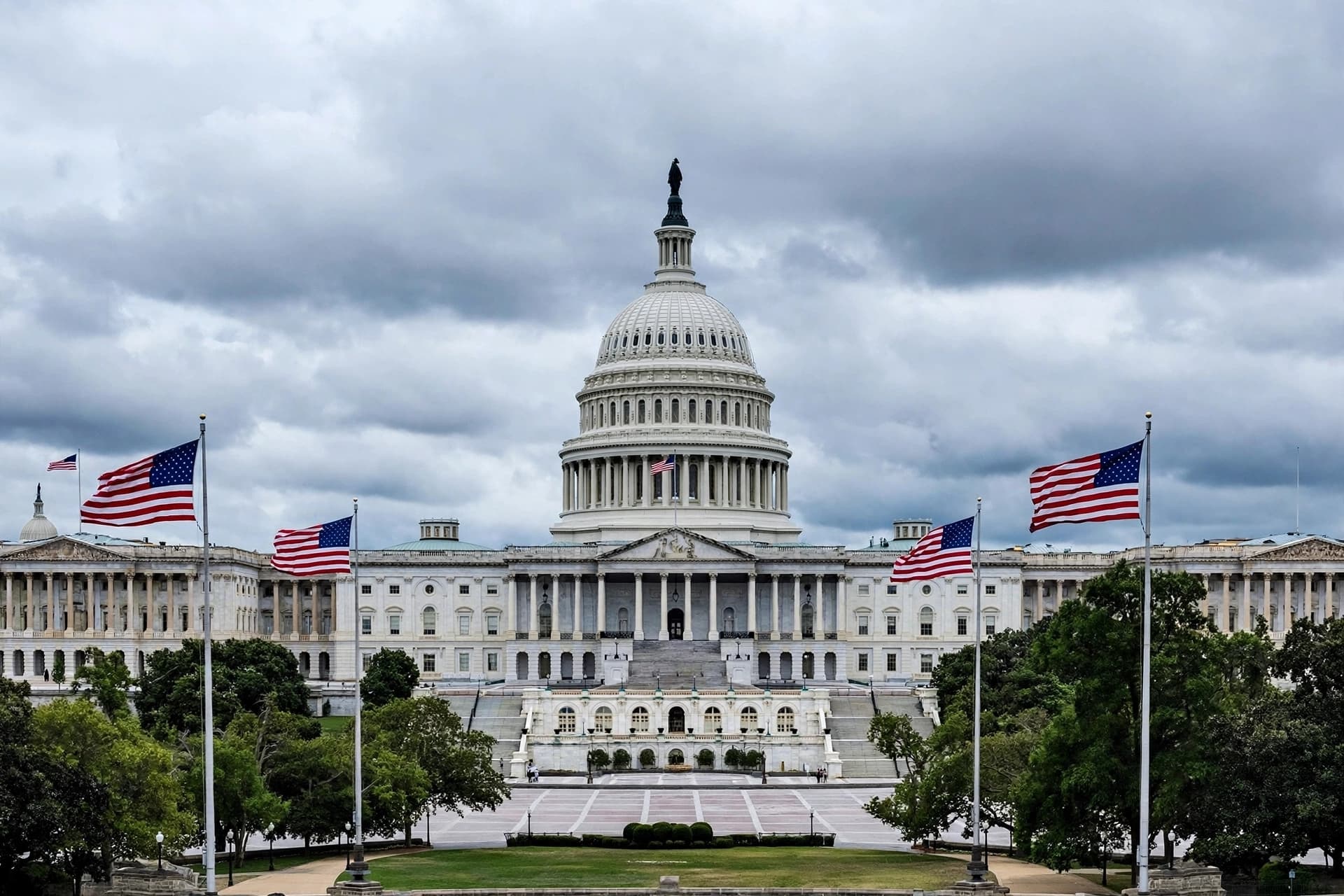
In the hallowed halls of the Capitol, where history is written in marble and memory, a decisive vote has once again shaped the course of American foreign policy. With the November elections looming on the horizon, Senate Republicans have blocked a Democratic effort to end the ongoing conflict with Iran. This procedural maneuver, occurring in one of the final legislative sessions before the campaign season intensifies, underscores the deep partisan divides that continue to define Washington. It is a moment where political strategy intersects with national security, leaving many to wonder about the future of diplomatic engagement. Power is often measured in votes.
The resolution, aimed at invoking the War Powers Act to limit presidential authority in the region, failed to gain the necessary traction. Despite growing concerns among some moderates about the escalation of hostilities, party discipline held firm. The majority argued that maintaining a strong stance was essential for regional stability and national defense. Unity within ranks is a political asset. Strategy guides action.
For Democrats, the defeat is a setback but also a rallying cry. They contend that the administration’s approach lacks sufficient congressional oversight and risks drawing the nation into a broader conflict. Their persistence in bringing the measure to the floor highlights their commitment to checking executive power. Oversight is a constitutional duty. Voice matters.
Public opinion remains divided, with some Americans supporting a robust military presence and others advocating for de-escalation and diplomacy. The debate reflects broader questions about America’s role in the Middle East and the cost of prolonged engagement. Perspective shapes policy. Dialogue is necessary.
International allies are watching closely, aware that US decisions have ripple effects across the globe. Stability in the Persian Gulf is crucial for global energy markets and regional peace. Uncertainty creates anxiety. Clarity brings calm.
As the election approaches, this vote will likely become a key issue for candidates on both sides. Voters will be asked to weigh in on leadership, security, and the direction of foreign policy. Democracy relies on participation. Choice defines destiny.
For the service members deployed in the region, the political debate is a backdrop to their daily reality. Their safety and mission success depend on clear directives and adequate support. Duty demands respect. Courage is quiet.
In the end, the Senate’s decision to block the resolution is a testament to the current political climate. It highlights the challenges of achieving consensus in a polarized era. As November approaches, the hope is for a dialogue that prioritizes peace and prosperity. Wisdom guides the way.
AI Image Disclaimer: The visual representations included here are AI-generated illustrations designed to depict legislative settings and political themes, not actual photographs of the specific Senate vote or individual senators.
Sources: Associated Press The Hill Reuters
Published by Banx Network. This article is part of the Banx decentralized media programme, powered by the BXE token on the XRP Ledger.