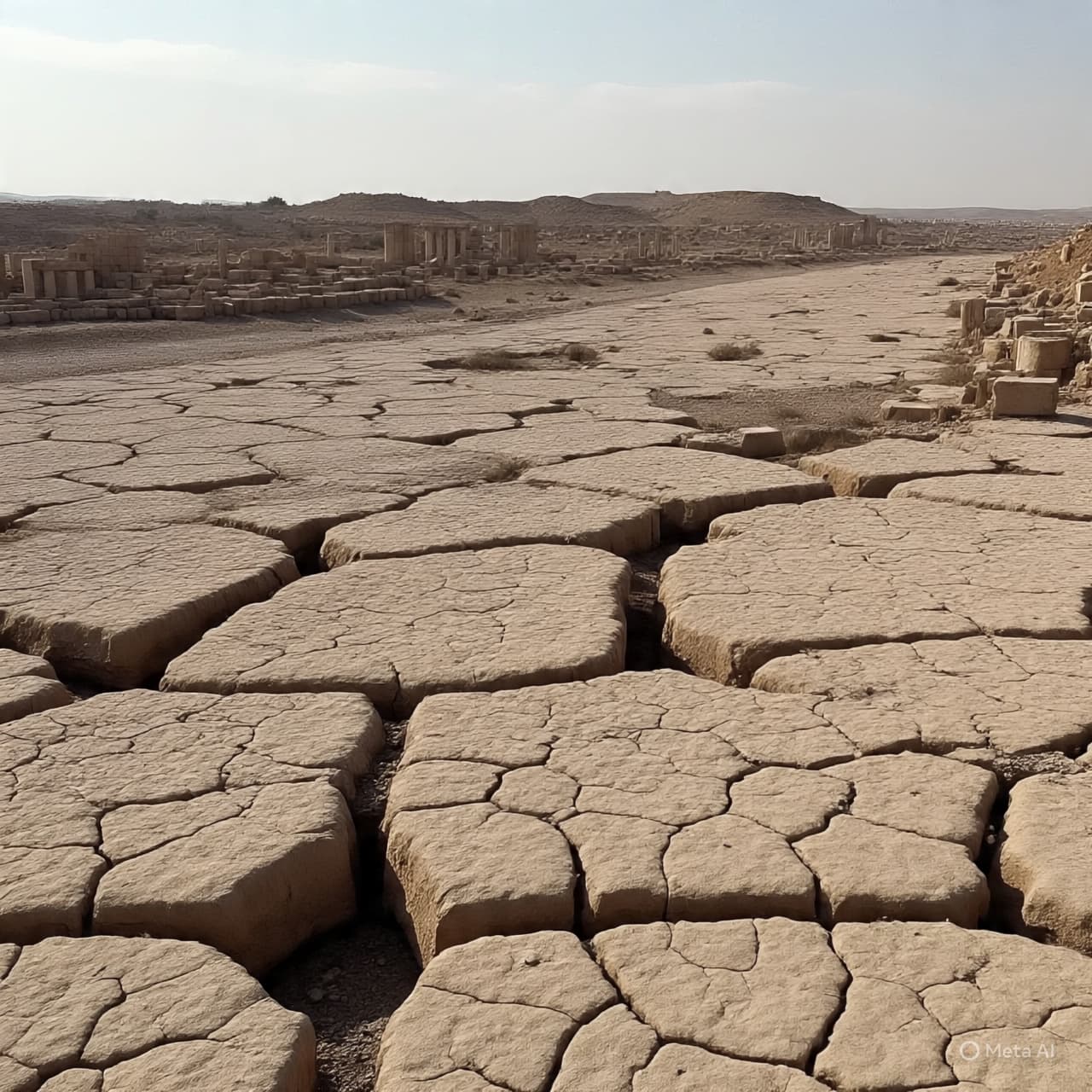
Across Iraq’s parched landscapes — from the drying banks of the Tigris and Euphrates rivers to the thirsty fields of the central plains — a water crisis of historic proportions has taken hold. In what officials describe as the worst drought in a century, rainfall has failed, river flows have collapsed and reservoirs have shrunk, leaving the country struggling to support basic needs, agriculture and drinking supplies for millions. In response, Baghdad has struck an unconventional and controversial “oil‑for‑water” deal with neighbouring Turkey, betting its most valuable commodity on a future where water, not oil, may determine survival.
Iraq relies on the Tigris and Euphrates for more than agriculture, drinking water and energy production; the rivers are intertwined with the nation’s identity. But multiyear drought, climate change‑linked low rainfall and upstream dams in Turkey and Iran have drastically reduced water flows, contributing to one of the severest shortages in decades. Government data show Iraq currently receives less than 40% of its expected water share from those rivers, while its water reserves are at their lowest in 80 years.
Faced with dwindling supplies and rising demand from both cities and farms, Baghdad formalised a Water Cooperation Framework Agreement with Ankara in November 2025. Under this arrangement, Iraq will sell a set amount of its daily oil exports and place the proceeds into a fund that finances water‑management projects carried out by Turkish firms. Planned initiatives include new dams, water harvesting infrastructure and land reclamation efforts intended to boost Iraq’s capacity to store and manage its water resources.
Proponents see the deal as a pragmatic response to an emergency that has deepened food insecurity and threatened Iraq’s agricultural base. With irrigation water from the rivers down sharply, wheat production — once a source of pride and relative food self‑sufficiency — could shrink by up to 50% this year, prompting fears of increased imports and rural economic collapse.
But the “oil‑for‑water” formula has drawn sharp criticism at home and abroad. Some Iraqi water policy experts argue that water is a fundamental human right that should not be effectively commodified through oil revenues, warning that tying future water supplies to hydrocarbon sales departs from established principles of equitable water diplomacy. They contend that such deals could weaken Iraq’s sovereign control over its vital natural resources and distract from longer‑term, sustainable solutions such as agricultural reform, improved irrigation efficiency, and regional treaties grounded in international water law.
The agreement also highlights Iraq’s vulnerable negotiating position. Years of drought compounded by corruption, infrastructure decay and political fragmentation have left the country with limited leverage in talks with richer neighbours controlling upstream water sources. While Ankara frames the cooperation as mutually beneficial for regional stability and development, sceptics question whether urgent political and electoral pressures — including domestic demands for water security — have rushed Baghdad into a pact that may not yield enduring benefits.
As Iraq confronts the twin spectres of climate change and resource scarcity, its oil‑fuelled gamble underscores a stark reality: in a warming world, traditional natural wealth may buy access to essentials that were once taken for granted. Whether this controversial strategy can deliver the water needed to keep rivers flowing, farms growing and cities supplied remains an open question — one with implications that stretch far beyond Iraq’s parched heartland.
AI Image Disclaimer “Visuals are created with AI tools and are not real photographs.”
Sources CNN / KTVZ reporting UNN news agency Wikipedia — 2025 Iraq oil‑for‑water deal Roya News — Iraq water reserves Reuters (on drought’s impact on wheat)
Published by Banx Network. This article is part of the Banx decentralized media programme, powered by the BXE token on the XRP Ledger.