

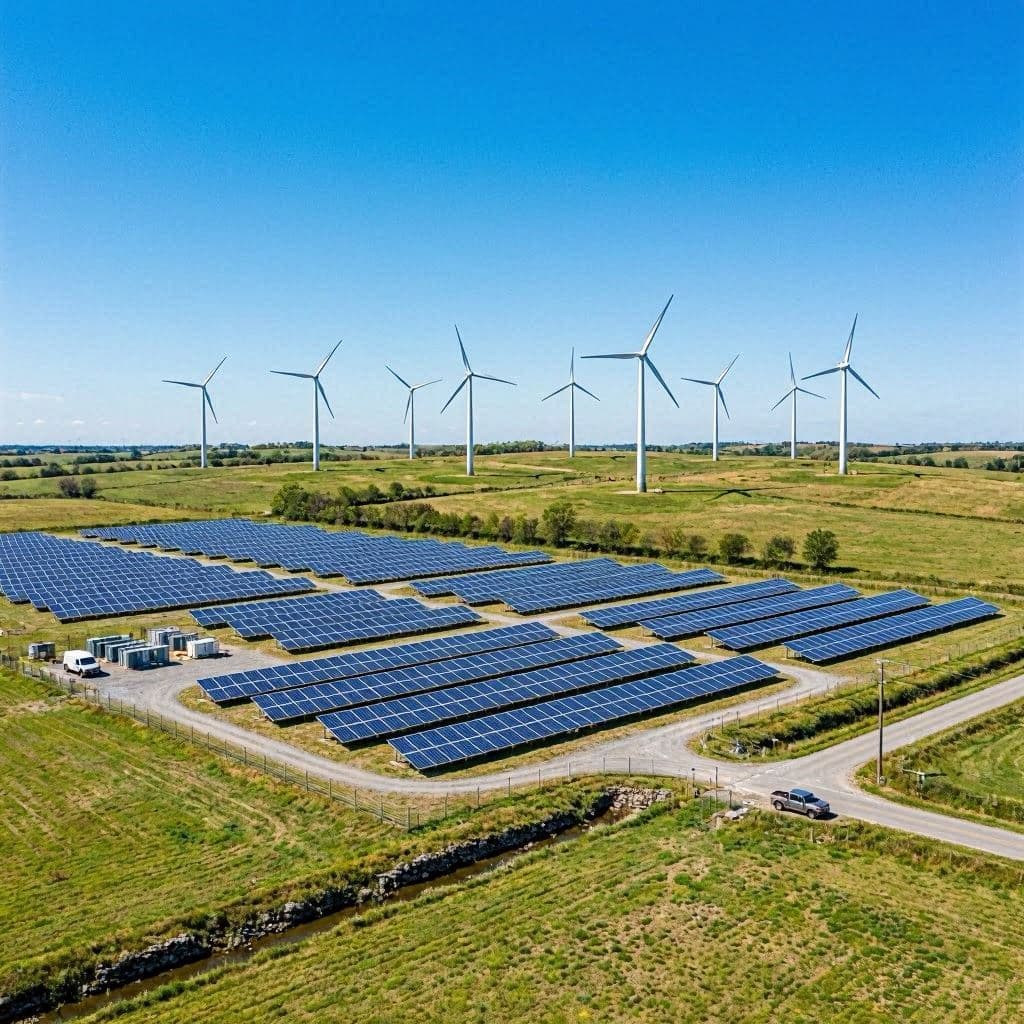
Key Highlights
- Global Shift:Countries are investing in renewable energy projects.
- Job Creation:Renewable energy initiatives are generating employment opportunities.
- Technological Advancements:Improvements in energy storage and grid modernization are crucial.
The transition toward cleaner energy is a gradual process, marked by numerous individual projects that collectively reshape how societies generate electricity and foster economic growth. Governments worldwide are increasingly expanding renewable energy initiatives as part of their broader strategies for sustainable development. This shift is not merely a trend but a necessary evolution in response to climate change and the urgent need for energy security.
Recent investments in renewable energy include the establishment of new solar farms, offshore wind projects, upgrades to hydroelectric facilities, and advancements in battery storage technologies. These developments are a direct response to the growing demand for reliable electricity while simultaneously reducing dependence on fossil fuels. As countries strive to meet their energy needs sustainably, the focus on renewable sources is becoming more pronounced.
Energy experts have observed that renewable technologies have become significantly more cost-effective over the past decade. Innovations in manufacturing processes, engineering techniques, and energy storage solutions have made clean electricity increasingly competitive across various regions. This trend is crucial as it allows countries to transition away from fossil fuels without compromising economic stability.
Another critical aspect of this transition is grid modernization. Governments are investing in upgrading transmission networks to accommodate a larger share of renewable power. This modernization is essential for improving reliability, especially during peak demand periods. By enhancing the infrastructure that supports energy distribution, countries can ensure that renewable sources are effectively integrated into the existing energy landscape.
Private sector investment in renewable energy continues to grow, with energy companies collaborating with governments to develop innovative financing models. These partnerships are vital for expanding research and accelerating the deployment of clean energy technologies. As the private sector plays an increasingly significant role in this transition, the potential for rapid advancements in renewable energy becomes more apparent.
The rise of renewable energy projects is also creating numerous employment opportunities across various sectors, including engineering, construction, manufacturing, and maintenance. Training programs are being established to equip workers with the technical skills necessary for success in this evolving energy industry. This focus on workforce development is essential for ensuring that the transition to renewable energy is inclusive and beneficial for all.
Environmental experts emphasize that renewable energy is just one component of broader climate strategies. These strategies also encompass energy efficiency, conservation efforts, and technological innovation. Together, these approaches contribute to long-term emissions reductions while bolstering economic resilience. As countries continue to expand their renewable energy infrastructure, the transition reflects both environmental priorities and long-term economic planning.
Looking ahead, continued investment and international cooperation are expected to shape the next phase of global energy development. As more nations commit to renewable energy, the collective impact of these efforts will be crucial in addressing climate change and ensuring a sustainable future for generations to come.
Published by Banx Network. This article is part of the Banx decentralized media programme, powered by the BXE token on the XRP Ledger.




