

Key Highlights
- Global supply chains are becoming more resilient despite ongoing challenges.
- Businesses are diversifying transportation routes and sourcing strategies.
- Technology plays a crucial role in enhancing supply chain management.
The movement of goods across continents often appears effortless to consumers, yet behind every shipment lies a complex network of ports, factories, warehouses, and transportation systems. Recent assessments by economic experts suggest that while global supply chains have become more resilient than in previous years, important vulnerabilities remain.
Analysts point to geopolitical developments, changing trade regulations, and transportation disruptions as continuing sources of uncertainty. Although logistics networks have largely recovered from earlier global disruptions, businesses continue monitoring risks that could affect production schedules and delivery times. The ongoing conflict in various regions and shifts in trade policies have added layers of complexity to an already intricate system.
Shipping companies have invested in greater operational flexibility by diversifying transportation routes and expanding regional distribution centers. These adjustments are intended to reduce dependence on individual trade corridors while improving resilience against unexpected disruptions. For instance, companies are now exploring alternative shipping routes that bypass traditional chokepoints, thereby mitigating risks associated with geopolitical tensions.
Manufacturers are also reconsidering sourcing strategies. Many firms have adopted multi-supplier approaches that reduce reliance on a single production region, helping maintain continuity during periods of uncertainty. This shift not only enhances supply chain resilience but also encourages competition among suppliers, potentially leading to better pricing and quality.
Technology plays an increasingly important role in supply chain management. Artificial intelligence, predictive analytics, and real-time tracking systems allow businesses to identify potential disruptions earlier and respond more efficiently. These technological advancements enable companies to optimize inventory levels and streamline operations, ultimately leading to cost savings and improved service delivery.
Governments continue supporting infrastructure improvements at ports, rail networks, and highways to facilitate smoother international trade. Investments in customs modernization and digital trade documentation also contribute to greater efficiency. Such initiatives are crucial for maintaining the flow of goods across borders, especially in a post-pandemic world where delays can have significant economic repercussions.
Economists emphasize that global trade remains a fundamental driver of economic growth. Continued cooperation between governments and private industry will be essential to strengthen resilience while maintaining the flow of goods across international markets. As businesses adapt to the evolving landscape, the focus on sustainability and ethical sourcing is also gaining traction, further shaping the future of global supply chains.
Although challenges remain, ongoing investments in logistics, technology, and diversified sourcing strategies suggest that global supply chains are becoming better prepared to manage future uncertainties. The collective efforts of businesses and governments will be pivotal in navigating the complexities of international trade in the years to come.
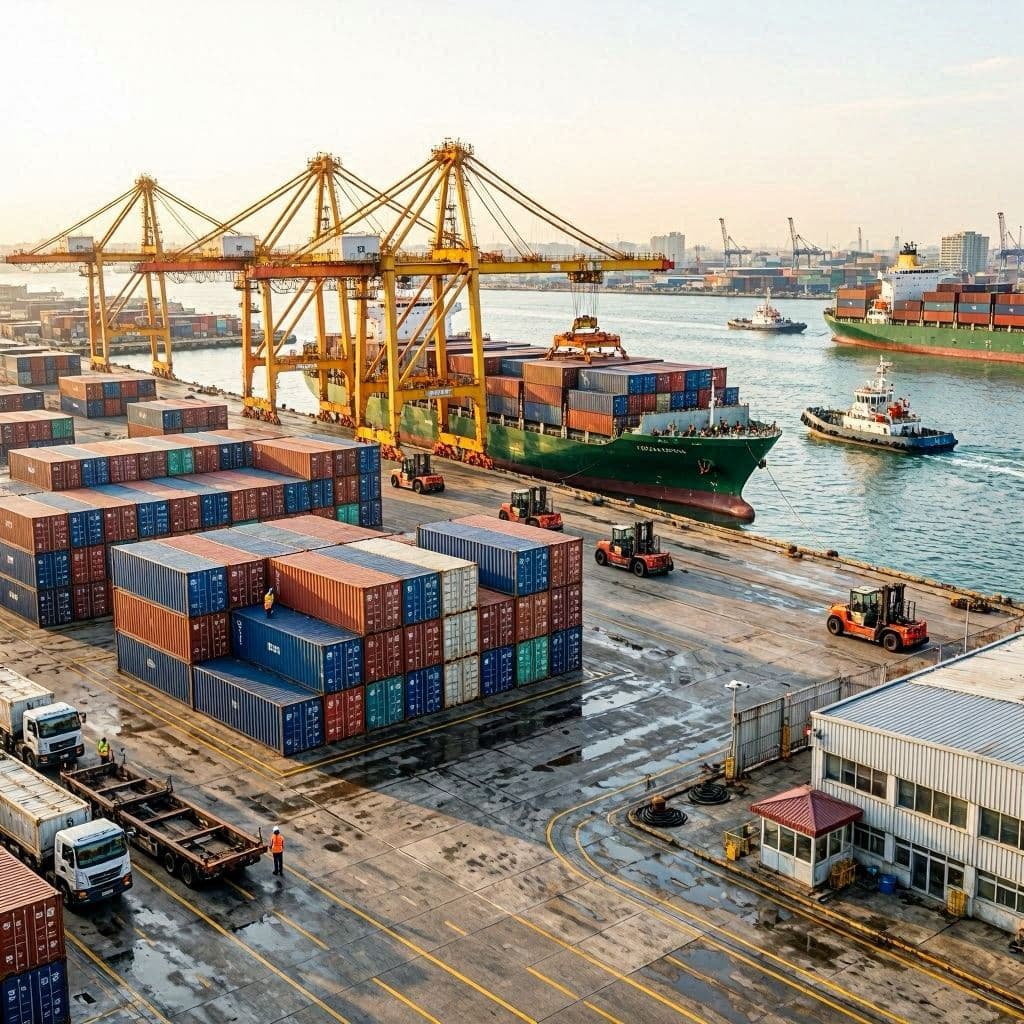
AI-generated image disclaimer: This illustration was generated using AI to visually support the article and does not represent an actual event.
Source Verification: Reuters, Deloitte Insights, World Trade Organization
Published by Banx Network. This article is part of the Banx decentralized media programme, powered by the BXE token on the XRP Ledger.




