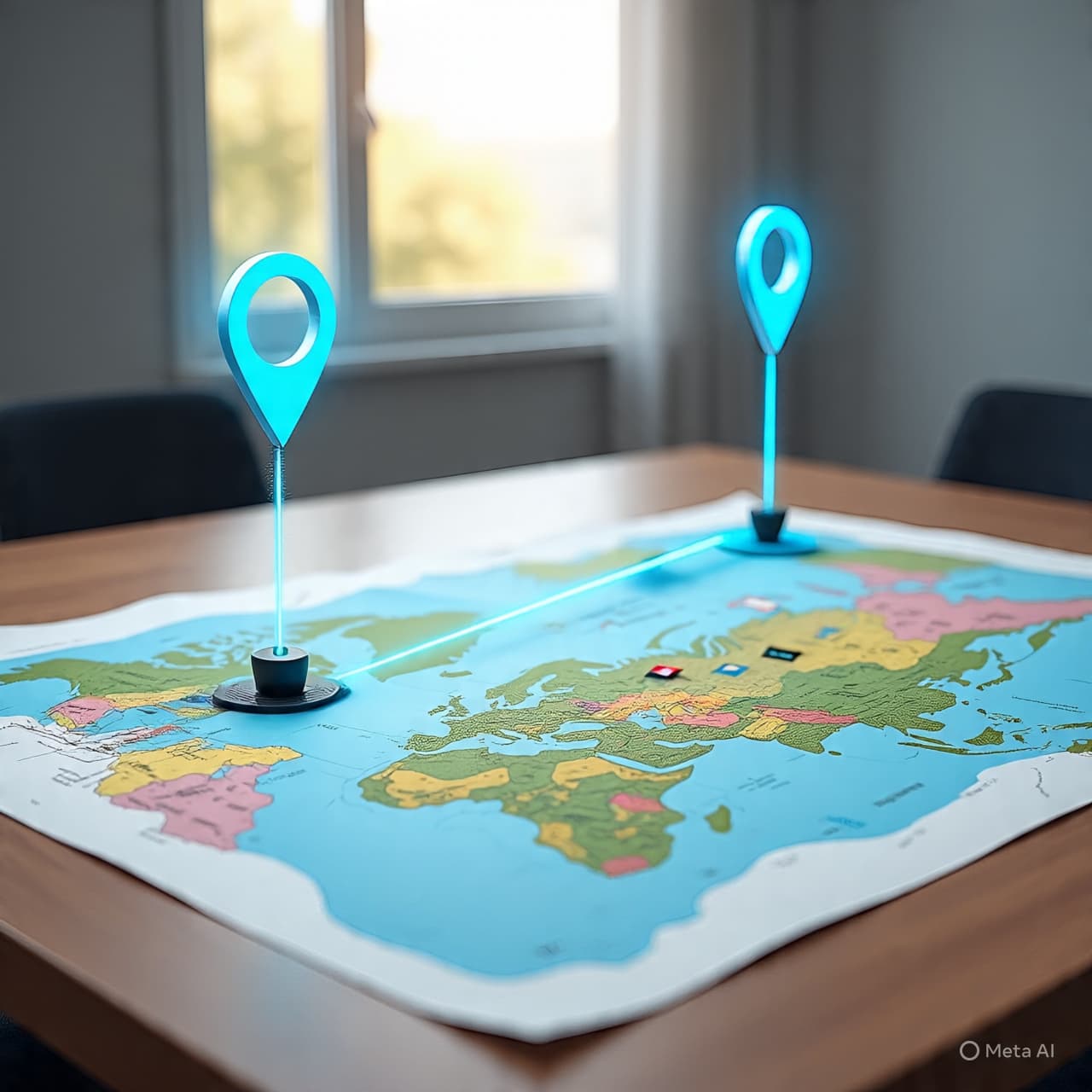
There are moments when distance feels absolute—measured in miles, in oceans, in time zones that separate night from day. And yet, there are also moments when that distance collapses into something immediate, carried through a screen, held in the fragile space between voices.
It was through such a space that a moment unfolded—unexpected, uncontained. A call, ordinary in its beginning, became something else entirely. On the other end, in a room far away, what was meant to be conversation turned into witness.
In January 2025, a woman in London answered a video call. What followed was not quiet. A man she had been seeing, later identified as a 22- or 23-year-old Russian national, moved from tension into violence. The court would later hear how the assault left marks—bruises, scratches, strands of hair pulled loose—traces of something that had crossed a line long before it was fully understood.
During the attack, the call remained open. On the other side of that connection was Barron Trump, then in the United States, watching as events unfolded in real time. The distance between them did not soften what was visible. At one point, the attacker held the phone toward the woman, exposing the moment not just as an act of violence, but as something seen, undeniable.
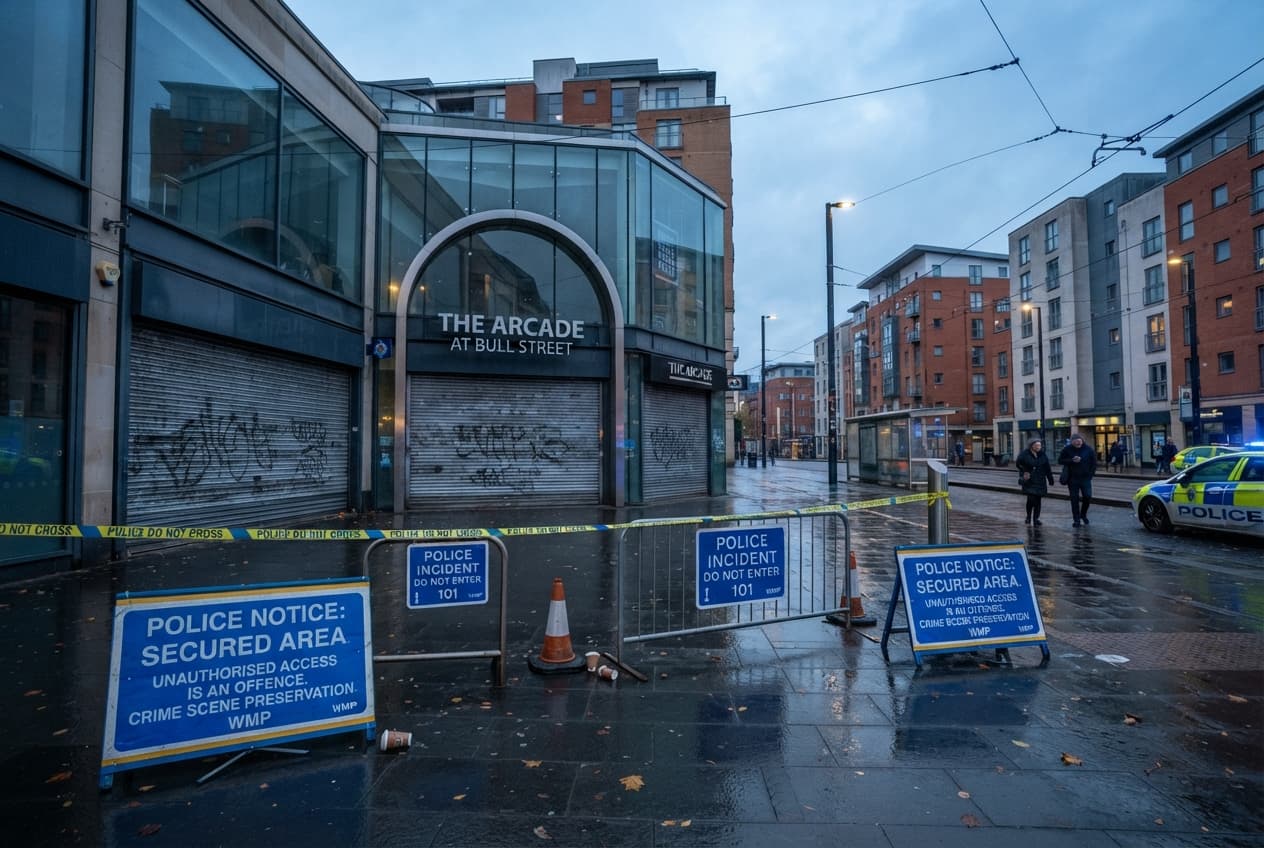
In that same moment, another action began—quieter, but no less significant. From afar, emergency services were contacted. A report was made, not from within the room, but from outside it, bridging geography through urgency. It was a response that moved across borders faster than the distance itself could suggest.
What followed carried the slower rhythm of process. Investigations gathered detail, assembling fragments of what had happened into something structured and legible. The court later heard that the assault had been driven, in part, by jealousy—an emotion that narrowed perception, turning familiarity into suspicion, proximity into conflict.
There were also attempts, after the fact, to reshape the narrative. From custody, the man sent a letter urging the woman to withdraw her allegations—an effort that became part of the case itself, adding another layer to what had already unfolded.
Time, as it does, moved forward. What had been immediate became recorded. What had been witnessed became evidence. And what had been held in the fleeting frame of a call entered the steadier language of law.
The human elements remain more difficult to measure. Fear, once introduced, does not follow the same timelines as courts or proceedings. It lingers differently, carried in memory rather than documentation. And yet, alongside it, there is also the fact of interruption—that something was seen, and that seeing led to action.
A court in London has now sentenced the man, Matvei Rumiantsev, to four years in prison after he was convicted of assault occasioning actual bodily harm and attempting to pervert the course of justice. He was acquitted of separate charges including rape and intentional strangulation. The incident was reported to police after being witnessed on a video call, and the case was heard at Snaresbrook Crown Court.
AI Image Disclaimer
Images are AI-generated for illustrative purposes and do not represent actual scenes or individuals.
Sources
Associated Press Reuters The Guardian CBS News Global News
Published by Banx Network. This article is part of the Banx decentralized media programme, powered by the BXE token on the XRP Ledger.