There is a particular allure to the coast, where the rhythm of the tides offers a sense of peace and permanence. For many retirees, this promise of tranquility has led them to seek out seaside communities for their golden years. However, as thousands flock to these idyllic destinations, the very charm they seek is beginning to buckle under the weight of popularity. The quiet getaway is becoming a bustling hub, straining local resources and altering the character of the town.
The influx of new residents brings economic benefits, boosting local businesses and property values. Yet, it also creates challenges for infrastructure that was designed for a smaller population. Roads become congested, healthcare facilities face increased demand, and housing markets tighten, making it difficult for long-time residents and younger workers to afford living there.
For the retirees themselves, the reality may differ from the dream. The community they envisioned as a place of rest and connection can feel overcrowded and competitive. Social services may struggle to keep pace, and the cost of living can rise unexpectedly. It is a paradox of success: the more desirable a place becomes, the harder it is to enjoy its original virtues.
Local governments are grappling with how to manage this growth. Zoning laws, tax structures, and public service investments are being reevaluated to accommodate the changing demographics. The goal is to balance the needs of new arrivals with the well-being of existing communities, ensuring that development does not come at the expense of quality of life.
Environmental concerns also play a role. Coastal areas are vulnerable to climate change, including rising sea levels and extreme weather events. Increased development can exacerbate these risks, putting both people and property in danger. Sustainable planning is essential to protect these fragile ecosystems for future generations.
Despite the strains, many retirees remain committed to their new homes. They contribute to the community through volunteering, cultural activities, and civic engagement. Their presence can enrich the social fabric, bringing diverse experiences and perspectives. The challenge lies in integrating this energy without overwhelming the local capacity.
As the trend continues, other coastal towns may look to this example for lessons. How to welcome newcomers while preserving local identity is a question facing many popular destinations. The answer may lie in thoughtful planning, community dialogue, and a shared commitment to sustainability.
Popular coastal retreats are experiencing significant pressure from an influx of retirees, impacting infrastructure and housing. Local authorities are seeking solutions to balance growth with community well-being.
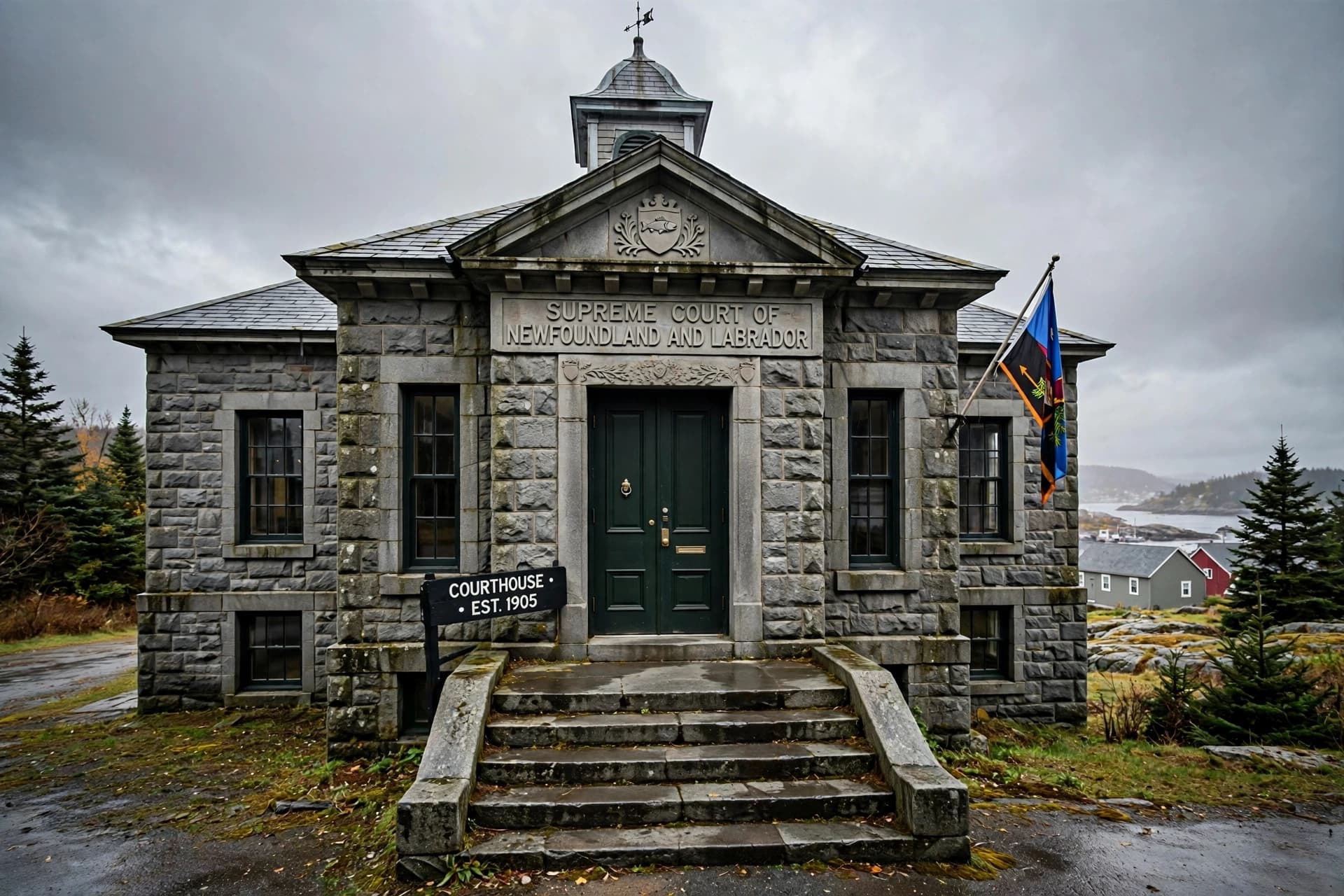
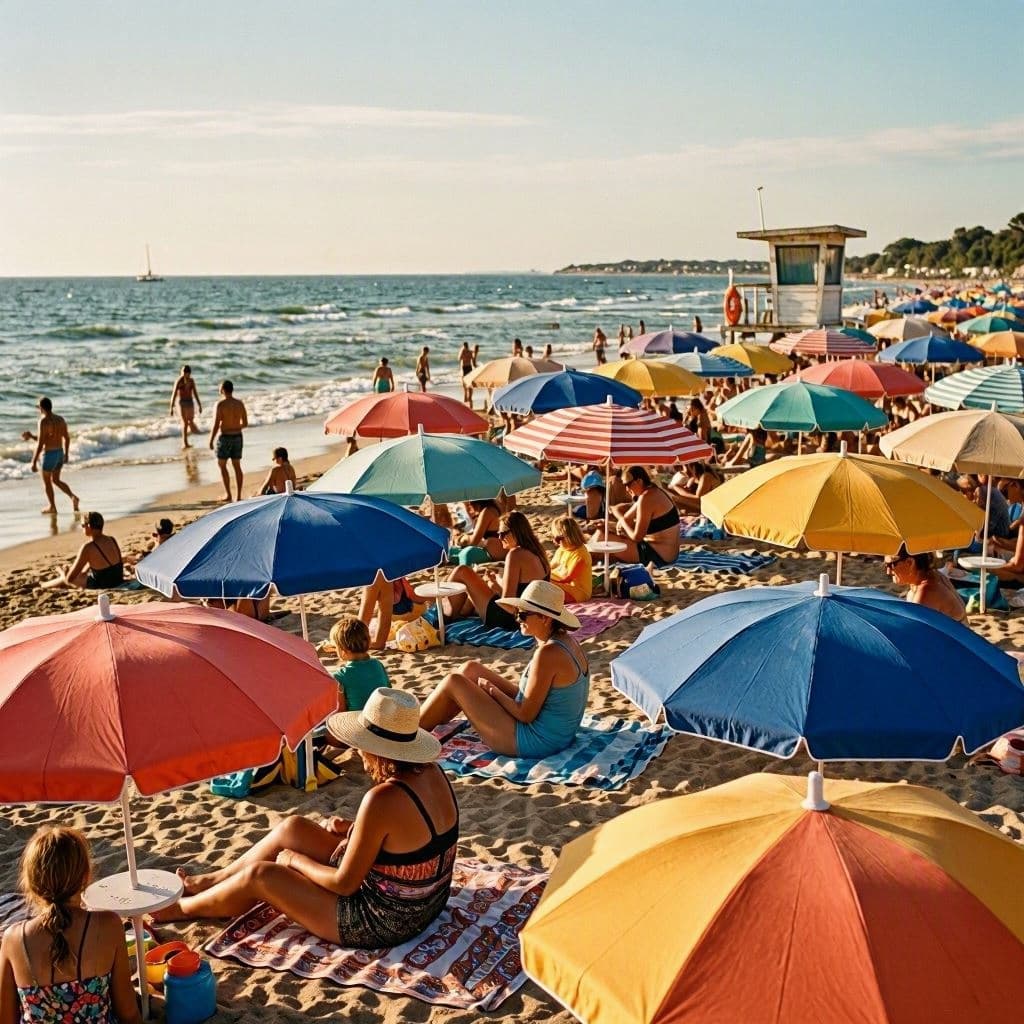
AI Image Disclaimer: Visuals accompanying this story are AI-generated and intended to provide atmospheric context rather than depict specific real-world events.
Sources: The Wall Street Journal NPR USA Today
Published by Banx Network. This article is part of the Banx decentralized media programme, powered by the BXE token on the XRP Ledger.