
Key Highlights
- Ongoing diplomatic negotiations in the Middle East focus on security and cooperation.
- Participating countries have differing political priorities and strategic interests.
- Experts emphasize the importance of dialogue to reduce risks of escalation.
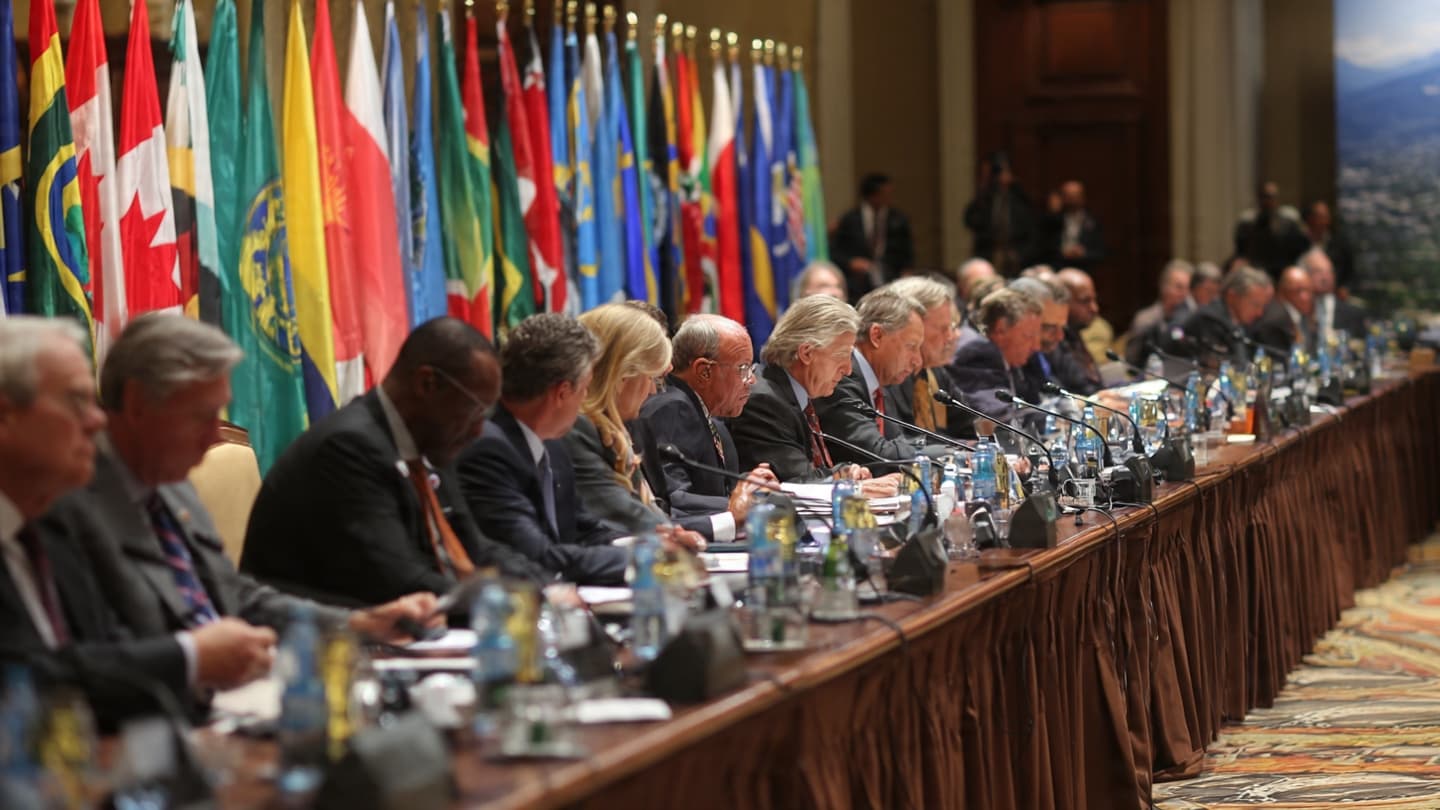
Diplomatic engagement in the Middle East remains a critical focus for international relations, even as participating countries navigate a landscape marked by differing political priorities and strategic interests. The complexities of the region necessitate ongoing negotiations that address key issues such as security arrangements, maritime stability, and broader frameworks for regional cooperation.
As tensions persist, experts suggest that while achieving consensus among nations is challenging, the act of maintaining dialogue is essential. Continuous communication helps mitigate the risks of escalation and misunderstanding, which can lead to conflict. This sentiment is echoed by various analysts who argue that even incremental progress in negotiations can have a stabilizing effect on the region.
International mediators play a pivotal role in these discussions, acting as facilitators to ensure that communication channels remain open. Their involvement is crucial in encouraging gradual progress and fostering an environment where conflicting parties can explore potential agreements. The presence of neutral parties often helps to alleviate some of the tensions that arise from direct negotiations between nations with opposing views.
Despite the challenges that lie ahead, diplomacy continues to be the primary tool for managing the intricate dynamics of the Middle East. The commitment to dialogue reflects a broader understanding that while immediate solutions may not be feasible, the process of negotiation itself can lead to long-term stability. As countries engage in discussions, the hope is that they can find common ground, even amidst their differences.
In conclusion, the landscape of Middle Eastern diplomacy is complex and fraught with challenges, yet the ongoing efforts to engage in dialogue signify a commitment to peace and cooperation. As nations work through their differences, the international community watches closely, hopeful for a future where collaboration can replace conflict.
Published by Banx Network. This article is part of the Banx decentralized media programme, powered by the BXE token on the XRP Ledger.



