For centuries, the night sky was a static tapestry of distant lights, their secrets locked behind vast distances and blinding stellar glare. But with the advent of advanced space telescopes, we have begun to peel back the curtain, revealing worlds that orbit other stars. The latest capabilities of NASA’s observatories are not just finding new planets; they are illuminating those that were previously hidden in the shadows, offering a clearer view of the diversity of our cosmic neighborhood.
The James Webb Space Telescope (JWST), along with other instruments like TESS, has revolutionized the field of exoplanet science. By observing in infrared wavelengths, these telescopes can detect the faint heat signatures of planets that are otherwise obscured by the bright light of their host stars. This technological leap allows astronomers to study smaller, cooler worlds that were once invisible to earlier generations of instruments.
One of the most significant achievements is the ability to characterize the atmospheres of these hidden worlds. By analyzing the starlight that filters through a planet’s atmosphere during a transit, scientists can identify chemical fingerprints such as water vapor, methane, and carbon dioxide. This data provides crucial insights into the potential habitability and geological history of these distant spheres.
The discovery of these hidden exoplanets challenges our understanding of planetary formation. Many of the newly revealed worlds do not fit neatly into the categories of "rocky" or "gas giant," suggesting a continuum of planetary types that is more complex than previously thought. This diversity hints at the varied conditions under which planets can form and evolve across the galaxy.
Furthermore, the sensitivity of these telescopes allows for the detection of planets in wider orbits, similar to those in our own solar system. These long-period planets are harder to find because they transit their stars less frequently, but they offer valuable context for understanding the architecture of planetary systems. Their discovery helps complete the picture of how stars and planets coexist.
The public engagement generated by these findings is profound. Each new image or spectrum released by NASA captures the imagination, reminding us that we are part of a vast and dynamic universe. It fosters a sense of wonder and curiosity, encouraging the next generation to pursue careers in science and exploration.
As the mission continues, the focus shifts from mere detection to detailed characterization. The goal is not just to count planets, but to understand them. By giving these hidden worlds a chance to shine, we are also shedding light on our own place in the cosmos, asking whether we are alone or one of many.
NASA continues to release data from its ongoing observations, with more discoveries expected in the coming months. The agency emphasizes that these findings are the result of international collaboration and technological innovation, paving the way for future missions dedicated to the search for life.
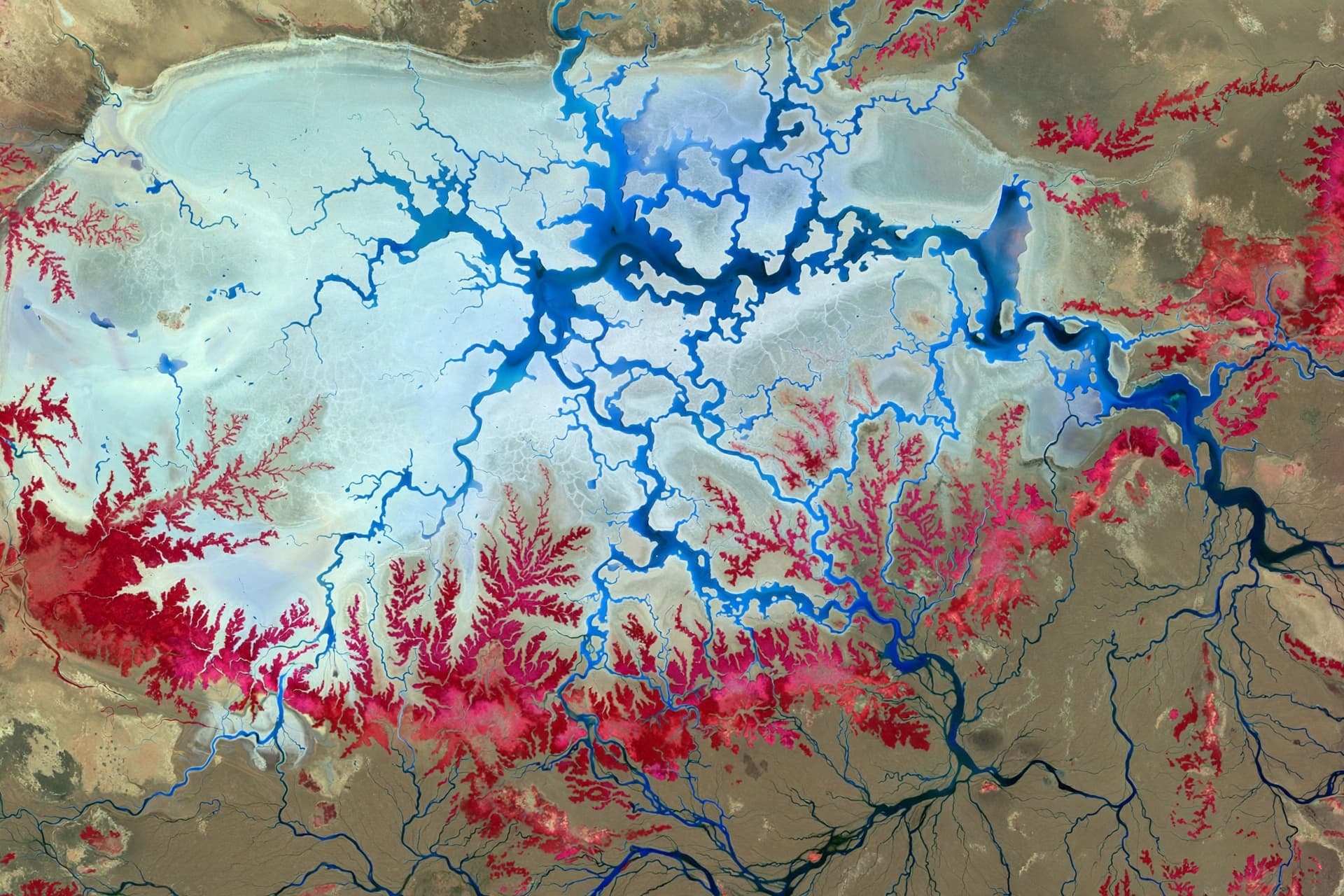
AI Image Disclaimer: Please note that the visual accompaniments for this article are AI-generated illustrations created to reflect the thematic elements of space exploration and exoplanet discovery.
Sources: NASA Space Telescope Science Institute (STScI) The Astrophysical Journal BBC News Space.com
Published by Banx Network. This article is part of the Banx decentralized media programme, powered by the BXE token on the XRP Ledger.