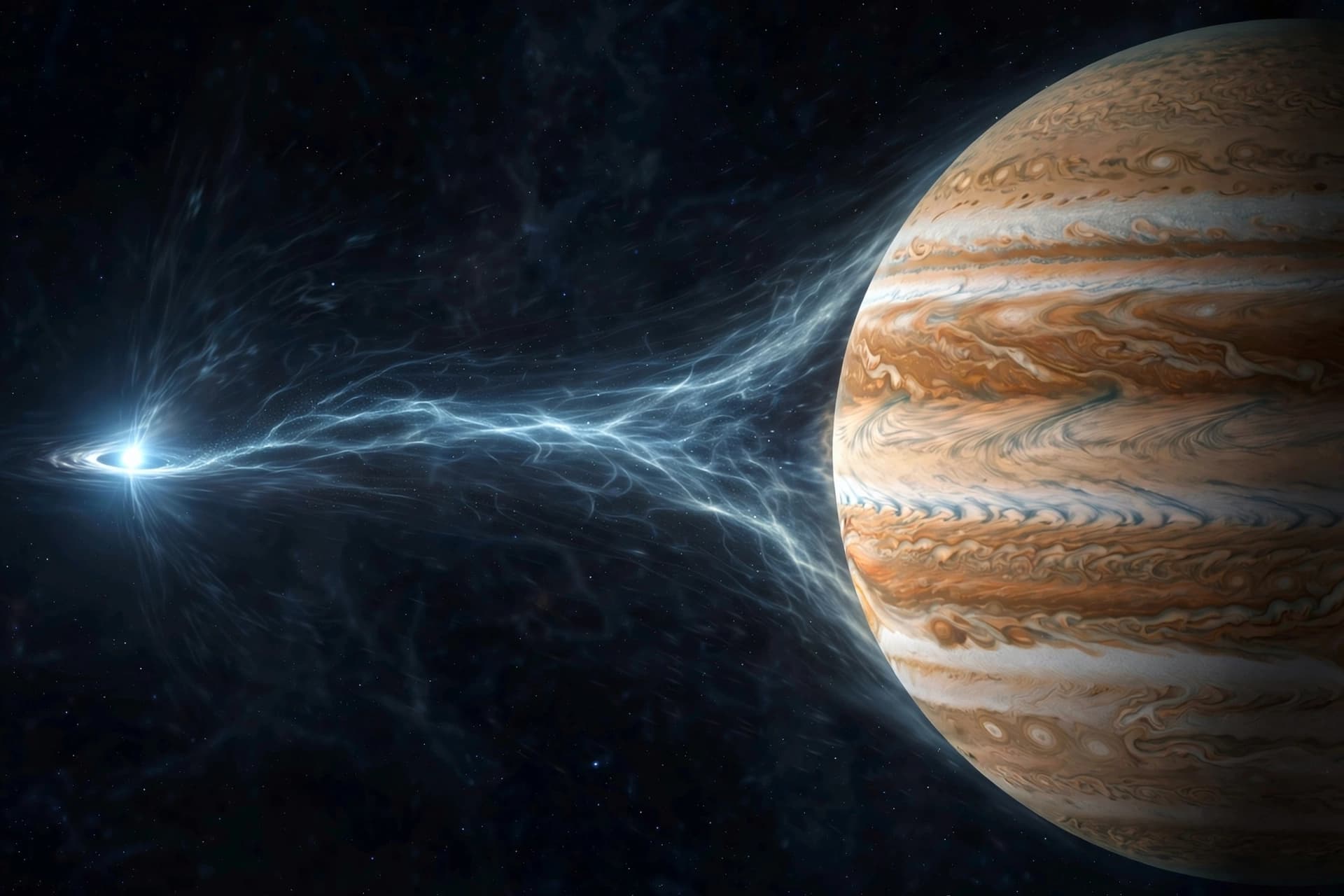
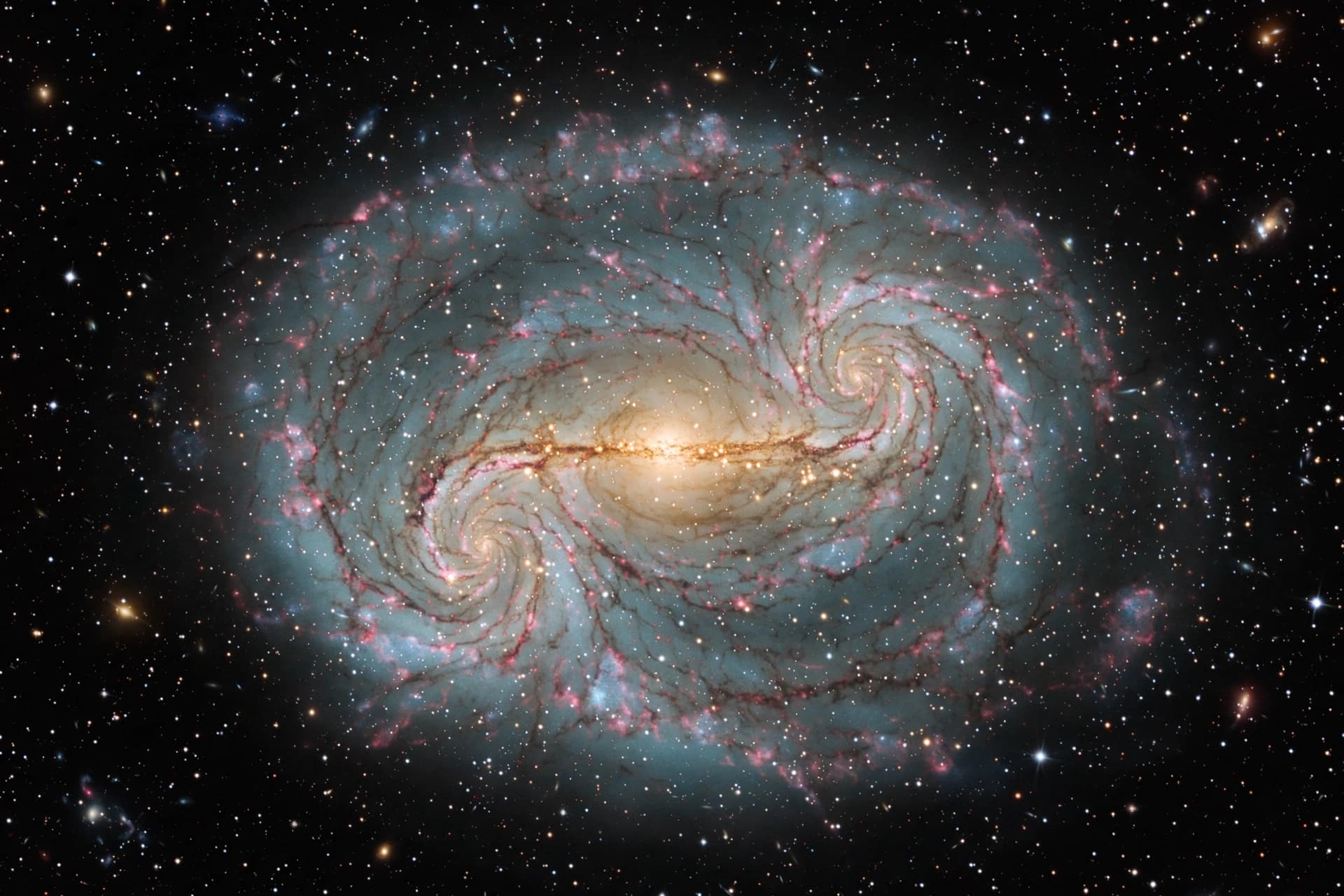
In the vast, velvet darkness of the cosmos, there are moments when the universe decides to reveal its jewelry box. For decades, astronomers have peered into the depths of space, seeking not just data, but beauty—a reminder that science and art often share the same canvas. The Chandra X-ray Observatory, a sentinel orbiting high above Earth’s atmosphere, has once again lifted the veil, presenting a collection of celestial images so striking they have been dubbed "galactic gems." These are not merely scientific records; they are portraits of cosmic violence and creation, rendered in hues that the human eye cannot naturally see but can deeply appreciate.
The newly released gallery features a stunning array of supernova remnants, star-forming regions, and active galactic nuclei. Each image is a composite, blending X-ray data captured by Chandra with optical and infrared observations from other telescopes like Hubble and Spitzer. This multi-wavelength approach allows scientists to translate invisible high-energy phenomena into visible light, creating a visual language that speaks to both the intellect and the imagination. The result is a tapestry of neon blues, fiery reds, and ethereal greens that dance across the screen.
One of the standout images is that of Cassiopeia A, the remains of a star that exploded centuries ago. In Chandra’s view, the debris field looks like a shattered jewel, with intricate filaments of gas expanding outward in a chaotic yet symmetrical pattern. It is a reminder of the destructive power that also seeds the universe with the elements necessary for life. Iron, calcium, and silicon, forged in the heart of the dying star, are scattered across the void, waiting to become part of new worlds.
Another highlight is the Pillars of Creation, reimagined through X-ray eyes. While often seen in visible light as dark silhouettes against a bright background, Chandra reveals the young, hot stars embedded within the dust. These newborn suns shine brightly in X-rays, piercing through the cosmic clouds like diamonds set in rough stone. The contrast between the cold, dark dust and the intense heat of the stars creates a visual tension that is both dramatic and beautiful.
For the scientists who operate Chandra, these images are more than just aesthetic pleasures; they are diagnostic tools. The shapes and colors reveal the temperature, density, and composition of cosmic materials. They help researchers understand how stars live and die, how black holes feed, and how galaxies evolve. Yet, even for those who spend their lives analyzing spectra and data points, the sheer visual impact of these discoveries remains a source of wonder.
The public response to the gallery has been overwhelmingly positive, with many expressing awe at the hidden beauty of the universe. Social media has lit up with shares and comments, as people from all walks of life find connection in these distant lights. It serves as a powerful reminder that astronomy is not just an academic pursuit but a shared human experience, one that inspires curiosity and humility.
As Chandra continues its mission, now in its third decade of operation, it remains one of NASA’s most productive and beloved observatories. Its ability to capture the high-energy universe has transformed our understanding of the cosmos, turning abstract concepts into tangible, visible realities. The "galactic gems" are a testament to its enduring legacy.
The Chandra X-ray Observatory’s latest release invites us to look up and marvel at the intricate design of the universe. In these dazzling images, we find not only scientific truth but also a profound sense of beauty, reminding us that we are part of a grand and luminous cosmic story.
AI Image Disclaimer: Please note that any accompanying visuals for this report are AI-generated representations intended to illustrate the context of the event.
Sources: NASA Chandra X-ray Center Space.com Scientific American
Published by Banx Network. This article is part of the Banx decentralized media programme, powered by the BXE token on the XRP Ledger.