
Key Highlights
- Location:Etunda Irrigation Scheme in northern Namibia.
- Recent Harvest:60 tonnes of mangoes harvested in one week.
- Ministerial Visit:Emma Theofelus emphasizes value addition potential.
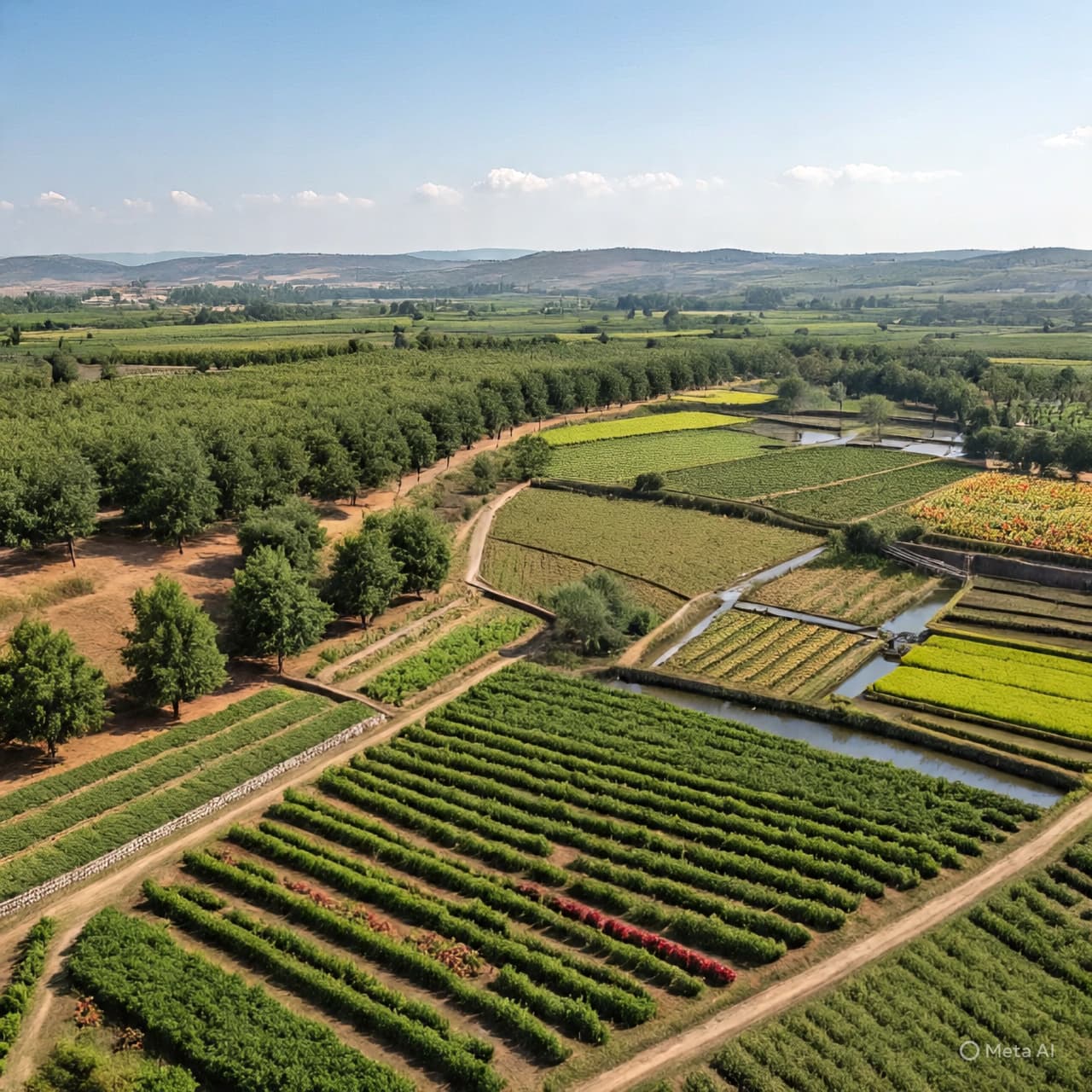
The Etunda Irrigation Scheme, nestled in the Omusati Region of northern Namibia, stands as a beacon of agricultural promise. With its sun-drenched fields yielding an impressive variety of crops, including mangoes, grapes, and vegetables, the scheme has become integral to the nation’s agricultural strategy. Recently, Minister of Agriculture, Water and Land Reform Emma Theofelus visited the site, highlighting the importance of not just harvesting but also processing these agricultural products to unlock their full economic potential.
During her visit, Theofelus noted that while the scheme has achieved remarkable yields, such as the recent report of 60 tonnes of mangoes harvested in a single week, local markets often struggle to absorb this volume. This situation underscores the urgent need for value-added processing initiatives that can transform raw produce into market-ready products. The minister discussed potential projects with local officials and representatives from the University of Namibia, focusing on avenues like fruit juice production and dried fruits, which could significantly enhance the economic landscape of the region.
The push for processing is not merely about extending the shelf life of produce; it is also about creating jobs and fostering rural development. By establishing a robust agro-processing sector, Etunda could serve as a vital link in the agricultural value chain, connecting primary production with broader market opportunities. This shift could empower local farmers, stabilize their incomes, and contribute to the overall economic diversification of Namibia.
However, the journey towards establishing a thriving processing industry is not without its challenges. The minister acknowledged issues such as vandalism and theft that have affected the scheme, emphasizing the need for community involvement and shared responsibility in protecting these valuable resources. Successful value addition will require collaboration among various stakeholders, including government agencies, local communities, and traditional authorities, to create a sustainable and secure environment for agricultural development.
Moreover, the benefits of value-added processing extend beyond immediate economic gains. In a country like Namibia, which faces the dual threats of climate change and food insecurity, enhancing the processing capabilities at Etunda can play a crucial role in mitigating post-harvest losses. By converting fresh produce into processed goods, farmers can better manage their risks against fluctuating market conditions and unpredictable climate events, thereby strengthening their resilience.
Theofelus’s visit to Etunda was not just a routine inspection; it was a call to action for reimagining the future of Namibian agriculture. With strategic investments in processing infrastructure and a commitment to community engagement, the Etunda Irrigation Scheme has the potential to evolve from a mere source of raw produce into a dynamic engine of rural development and national economic growth.
In conclusion, the Etunda Irrigation Scheme symbolizes the intersection of agriculture and innovation. As the seeds of progress are sown in this fertile land, the possibilities for economic transformation and community empowerment are boundless, proving that the true wealth of agriculture lies not only in what is grown but in what it can become.
Published by Banx Network. This article is part of the Banx decentralized media programme, powered by the BXE token on the XRP Ledger.



