There are few celestial events as awe-inspiring as a total solar eclipse, where day turns to night and the sun’s corona glows like a halo in the sky. On August 12, 2026, this phenomenon swept across Greenland, Iceland, and Spain, captivating observers on the ground. But for scientists and astronauts aboard the International Space Station (ISS) and NASA’s high-altitude WB-57 aircraft, the view was even more spectacular, offering a unique perspective from above the clouds.
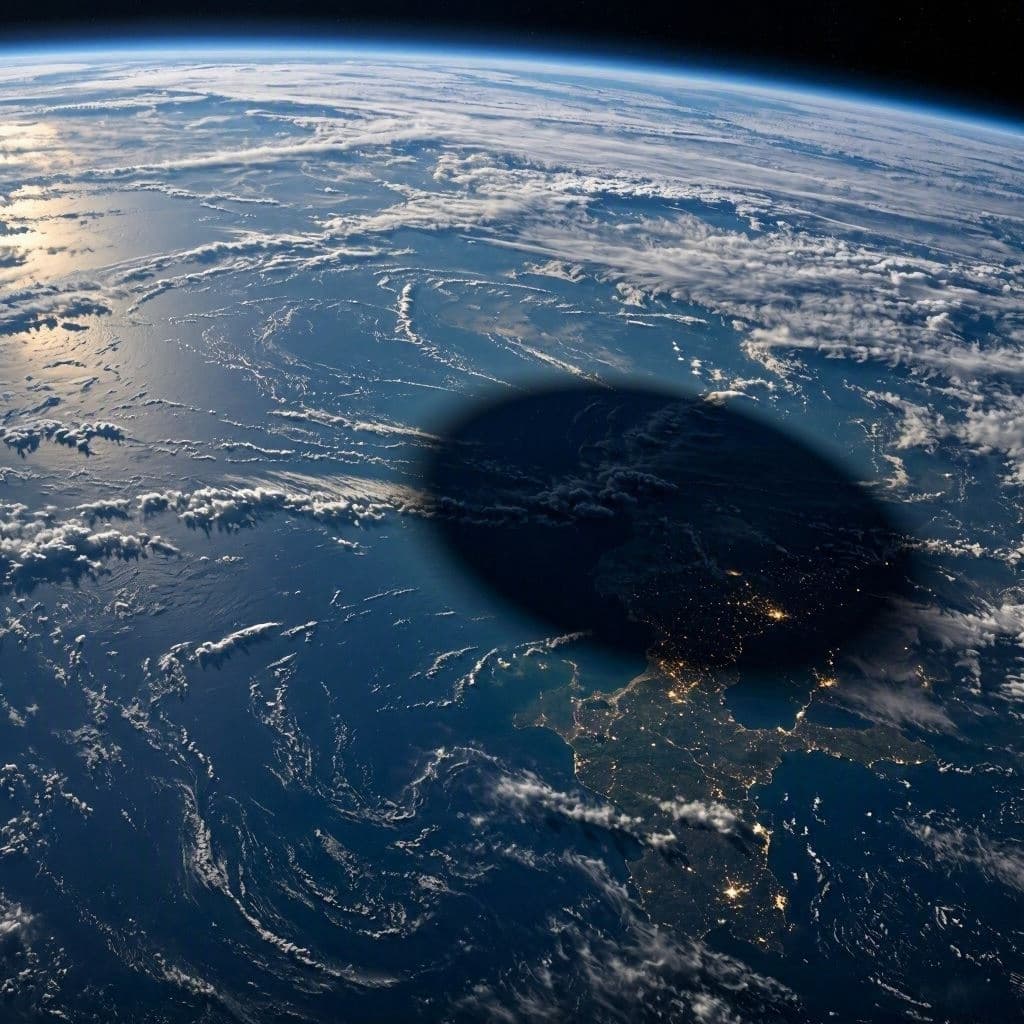
From space, the eclipse appeared as a dark shadow racing across the Earth’s surface, a fleeting moment of cosmic alignment captured in stunning detail. Cameras aboard the ISS recorded the Moon’s umbra moving over the Atlantic Ocean and northern Europe, providing data that helps researchers study the sun’s atmosphere and its interaction with Earth’s ionosphere. These images are not just beautiful; they are scientifically valuable.
NASA’s WB-57 research jets, flying at 50,000 feet, chased the moon’s shadow to extend the duration of totality. Equipped with specialized instruments, these aircraft captured high-resolution footage of the corona, the sun’s outer atmosphere, which is usually obscured by glare. By flying above most of the atmospheric distortion, scientists obtained clearer images than ever before, enhancing our understanding of solar dynamics.
The collaboration between ground-based observers and airborne teams highlights the power of modern technology in exploring natural phenomena. While millions watched from parks and rooftops, scientists worked in the skies, gathering data that will inform future studies of space weather and solar activity. This dual perspective enriches our appreciation of the event, blending wonder with knowledge.
For the general public, the release of these space-captured images offers a new way to experience the eclipse. Seeing the shadow from above provides a sense of scale and grandeur that is hard to grasp from the ground. It reminds us of our place in the solar system, tiny observers of a vast and intricate dance of celestial bodies.
The August 12 eclipse was particularly significant for its path over remote and populated areas alike. In Iceland, viewers braved cool temperatures to witness the spectacle, while in Spain, crowds gathered in cities and countryside. The shared experience created a sense of global connection, as people from different cultures looked up at the same sky in awe.
As the shadow passed, daylight returned, but the memory of the eclipse lingered. The images from space serve as a lasting tribute to the event, preserving its beauty for future generations. They also underscore the importance of continued investment in space science and exploration, which allows us to see our world in new and profound ways.
Looking ahead, astronomers are already preparing for the next eclipses, knowing that each one offers fresh opportunities for discovery. The August 12 event was a triumph of observation and technology, reminding us that even in an age of digital distraction, the heavens still hold the power to inspire and unite us.
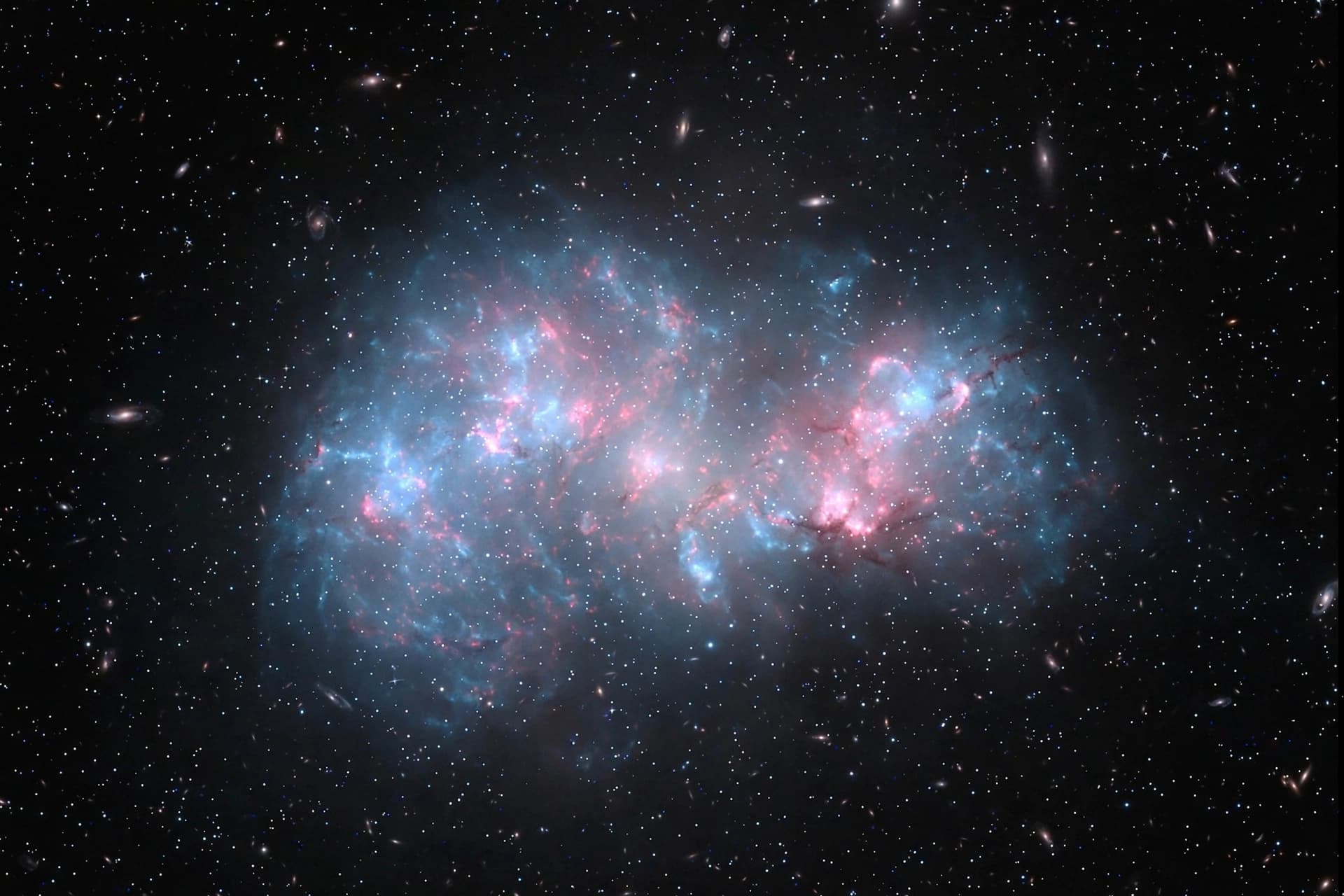
AI Image Disclaimer: Visuals in this article are AI-generated illustrations of space views and eclipse phenomena, designed to reflect the scientific and aesthetic aspects of the event without depicting real proprietary NASA footage.
Sources: NASA, Science.nasa.gov, Facebook (NASA), Plus.nasa.gov
Published by Banx Network. This article is part of the Banx decentralized media programme, powered by the BXE token on the XRP Ledger.