In the intricate architecture of Iranian power, military leadership and political authority are deeply intertwined. Recently, Iran has elevated a longtime military commander to a top security post, a move that signals continuity and consolidation within the nation’s defense establishment. This appointment reflects the enduring influence of the Islamic Revolutionary Guard Corps (IRGC) and its role in shaping national security policy. It is a decision that underscores the priority placed on stability and strategic resilience in a region marked by complex geopolitical tensions. The shift invites observation of how internal dynamics influence external relations.
The commander, whose career has been defined by decades of service, brings extensive experience in both conventional warfare and asymmetric operations. His rise to this prominent position is seen as a reinforcement of the hardline stance that has characterized Iran’s recent foreign policy. For supporters, this appointment ensures that security matters are handled by seasoned professionals who understand the nuances of regional threats. It is a message of strength and preparedness to both domestic audiences and international observers.
The new role involves overseeing critical aspects of national defense, including border security and counter-terrorism efforts. Given the volatile nature of the Middle East, these responsibilities are paramount. The commander’s background suggests a focus on maintaining internal order while projecting power abroad. This dual mandate requires a delicate balance, navigating the demands of military readiness with the complexities of diplomatic engagement.
Regional rivals are watching closely, assessing the implications for existing conflicts and alliances. The elevation of a military figure to such a high-profile security role may indicate a shift toward more assertive strategies. However, it could also signal a desire for deterrence, aiming to prevent escalation through demonstrated capability. The interpretation of this move varies depending on one’s perspective, highlighting the subjective nature of geopolitical analysis.
Internally, the appointment reinforces the integration of military and civilian governance. In Iran, the lines between these spheres are often blurred, with military leaders playing significant roles in political and economic decisions. This structure allows for rapid decision-making but also concentrates power in fewer hands. Critics argue that it limits democratic oversight, while proponents claim it ensures efficiency and unity of purpose.
The international community will likely respond with caution, monitoring any changes in Iran’s behavior. Sanctions and diplomatic pressures remain key tools in engaging with Tehran, but the effectiveness of these measures is debated. As the new commander assumes his duties, the focus will be on whether his leadership brings stability or further tension. The outcome will depend on a myriad of factors, both internal and external.
Iran’s elevation of a longtime military commander to a top security post marks a significant development in its national leadership. As he takes on new responsibilities, the hope is for a approach that prioritizes regional stability and constructive dialogue. The world watches with interest, awaiting the next chapter in Iran’s strategic narrative.
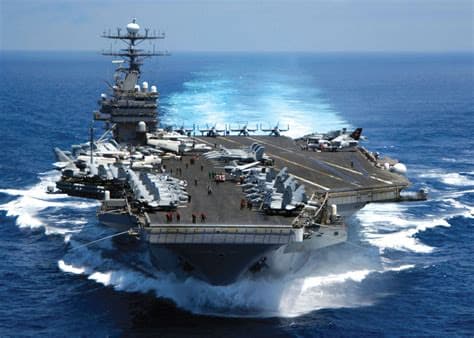
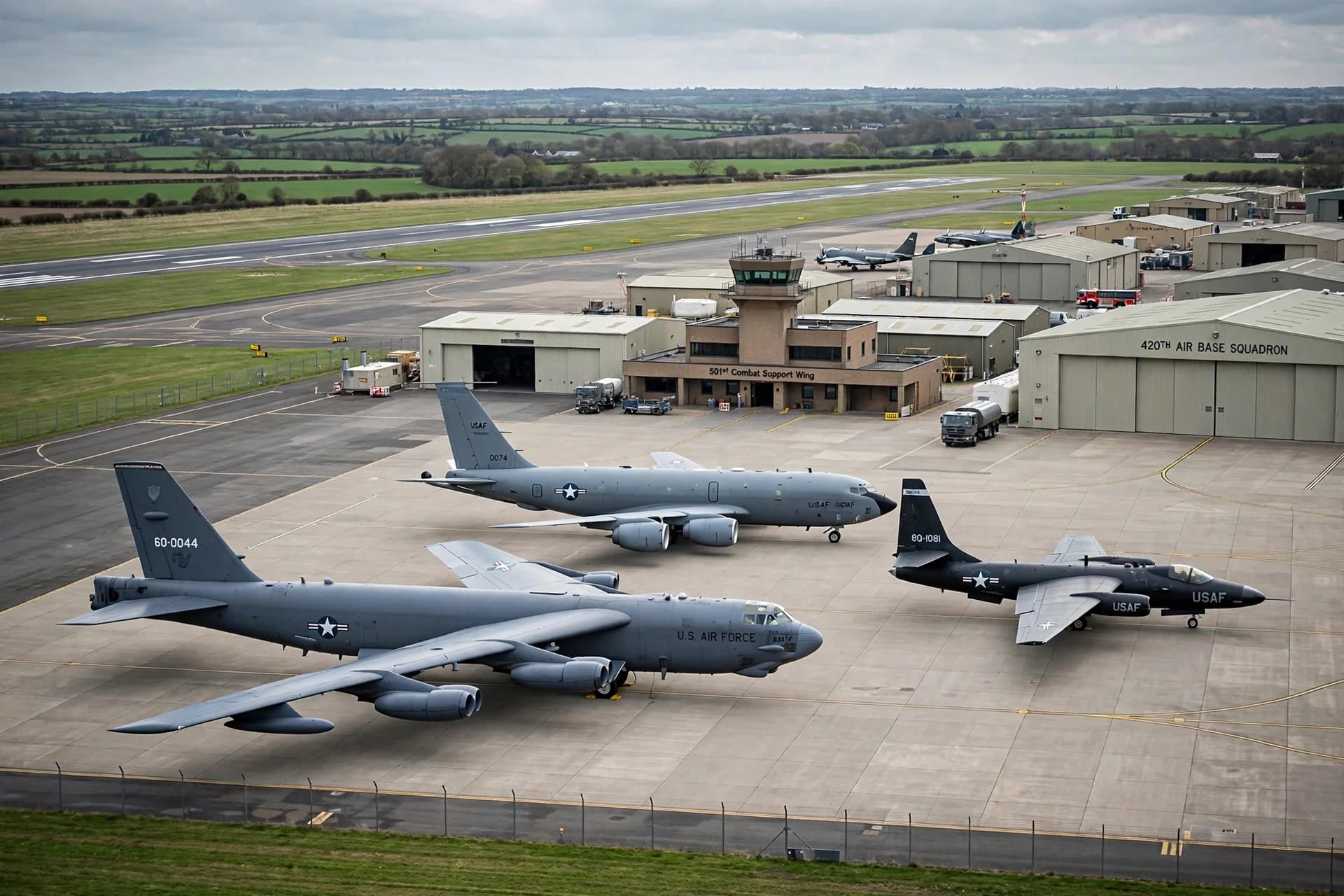
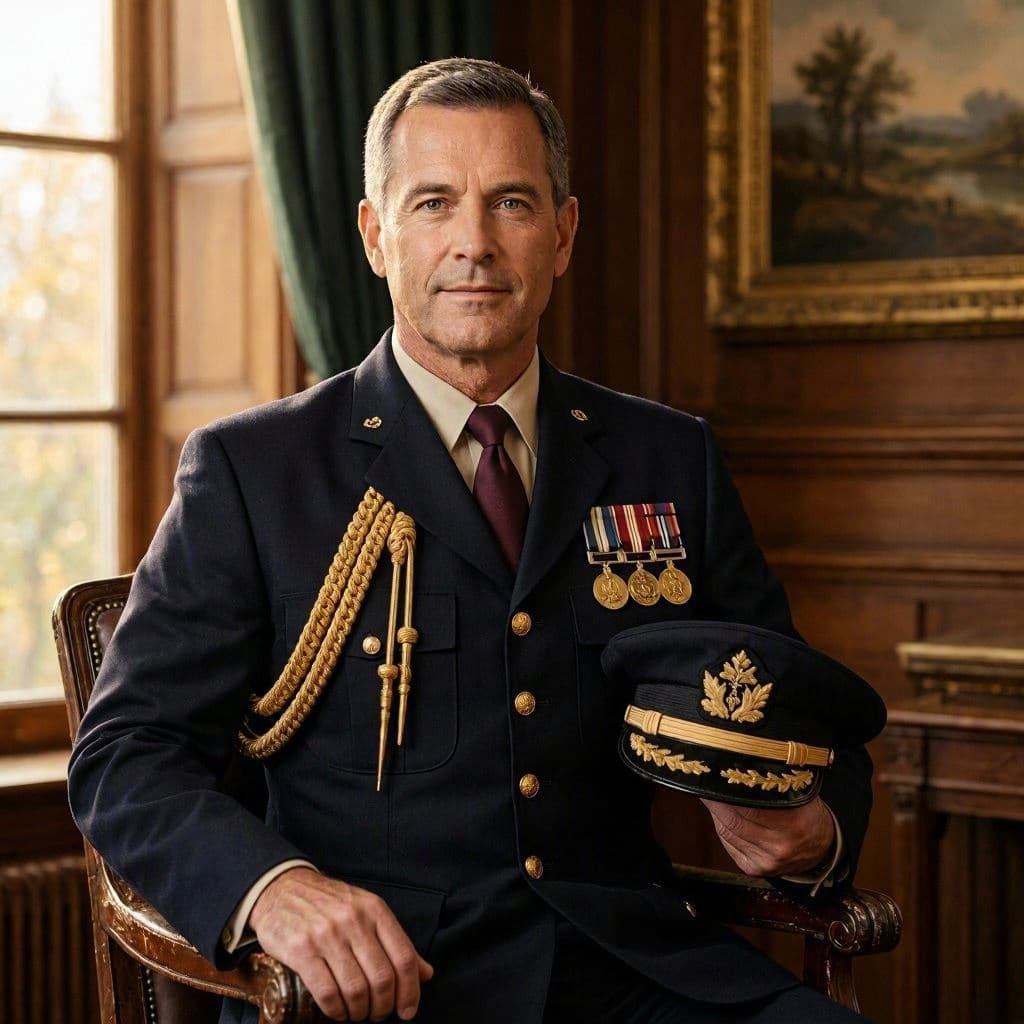
AI Image Disclaimer: Visuals associated with this article are AI-generated to illustrate the themes of political leadership and military strategy.
Sources: Reuters Al Jazeera The New York Times
Published by Banx Network. This article is part of the Banx decentralized media programme, powered by the BXE token on the XRP Ledger.