In one of the most remote reaches of the Himalayas, China is pushing forward with an infrastructure endeavour that, if completed as planned, will reshape the landscape of global hydropower and stir geopolitical tensions for decades.
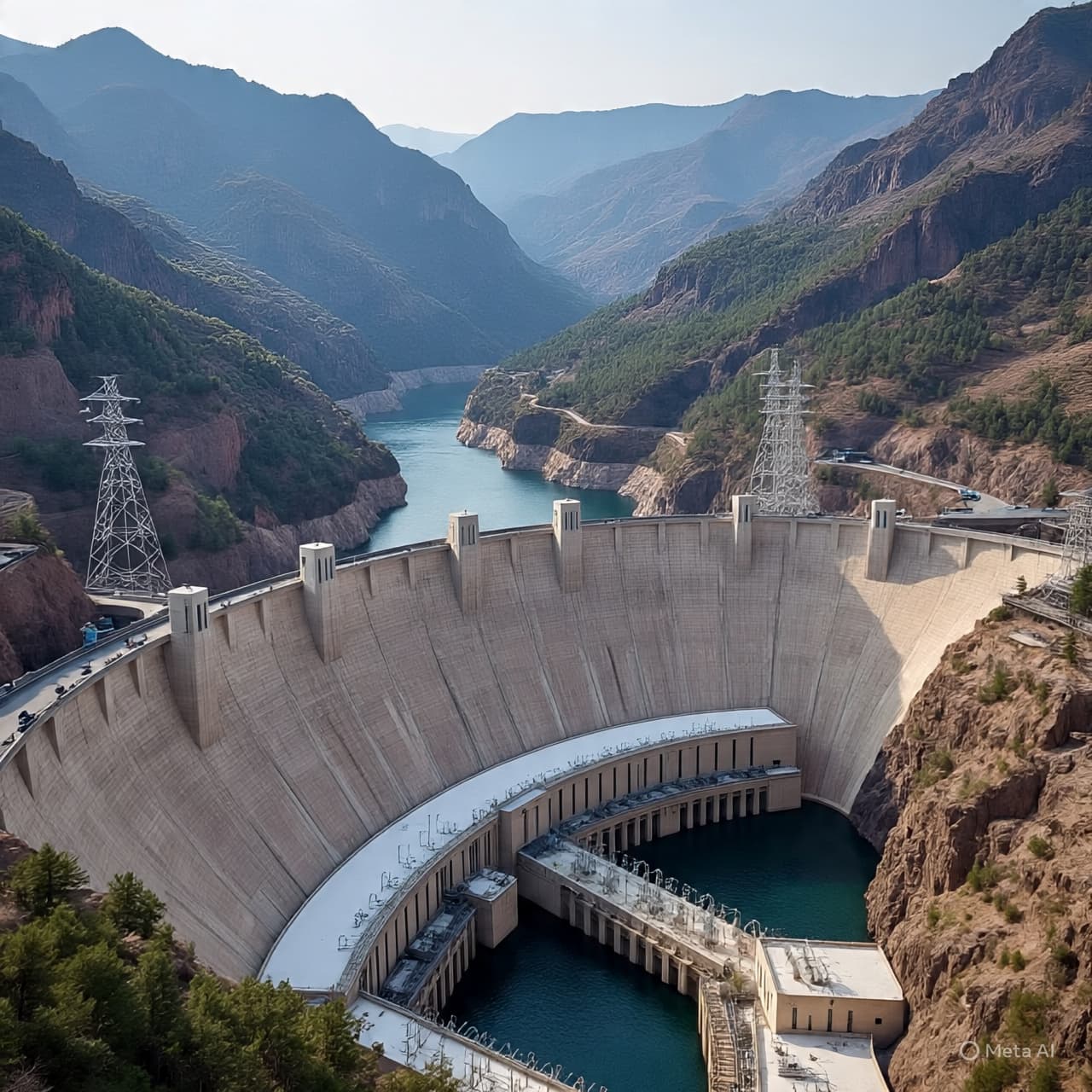
Far from the familiar bustle of China’s coastal cities, in Tibet’s Yarlung Tsangpo river gorge — where the river plunges down from the plateau and winds toward India and Bangladesh — a project of extraordinary ambition has taken shape. Beijing has authorised construction of the Medog (or Yarlung Zangbo) Hydropower Station, a planned 60,000‑megawatt complex of dams and powerhouses that would make it the world’s largest hydropower installation, eclipsing even the Three Gorges Dam by a factor of about three in annual energy generation.
Chinese leaders have described the initiative as a “project of the century”, a keystone in the country’s drive to expand clean energy capacity, strengthen power security and meet ambitious climate targets. Official commentary emphasises that the engineering will harness the river’s dramatic natural drop — nearly 2,000 metres — through tunnels and cascade stations to produce as much as 300 billion kilowatt‑hours of electricity annually.
Yet the project’s opacity has drawn scrutiny from analysts, environmentalists and neighbouring governments. Despite its scale and potential regional impact, official details remain classified — including precise designs, ecological assessments, resettlement plans and projected effects on downstream water flows. Independent experts have pieced together information from satellite data, academic reports and Chinese state pronouncements, but large gaps in public disclosure feed concerns that go well beyond simple infrastructure secrecy.
Those concerns are both environmental and geopolitical. The Yarlung Tsangpo becomes the Brahmaputra River once it flows into northeastern India and Bangladesh, where millions of people depend on it for agriculture, drinking water and livelihoods. Critics warn that upstream control of the river could alter seasonal flows, impede water access in dry seasons or create hazards if sudden releases are made — scenarios that have echoed in earlier disputes over Chinese dams on the Mekong River.
Environmental advocates also highlight risks to one of the planet’s most biodiverse alpine ecosystems, where dam construction could disrupt habitats, accelerate sediment changes and compound geological instability in an area prone to earthquakes and landslides. Indigenous communities and conservationists have raised alarms — not least because detailed impact studies have not been made widely available.
The opacity around the project also feeds political unease. India has expressed close monitoring and concern, viewing the downstream stake in water security as a strategic issue and warning that limited information sharing could heighten distrust between nuclear‑armed neighbours.
For China, the drive to build such a system reflects long‑term ambitions: securing energy for future economic growth, strengthening control in sensitive border regions and showcasing engineering prowess on the global stage. But the lack of transparency — combined with the profound implications for ecosystems and billions of people downstream — means that this Himalayan hydropower vision remains as much a geopolitical flashpoint as it is an engineering marvel in the making.
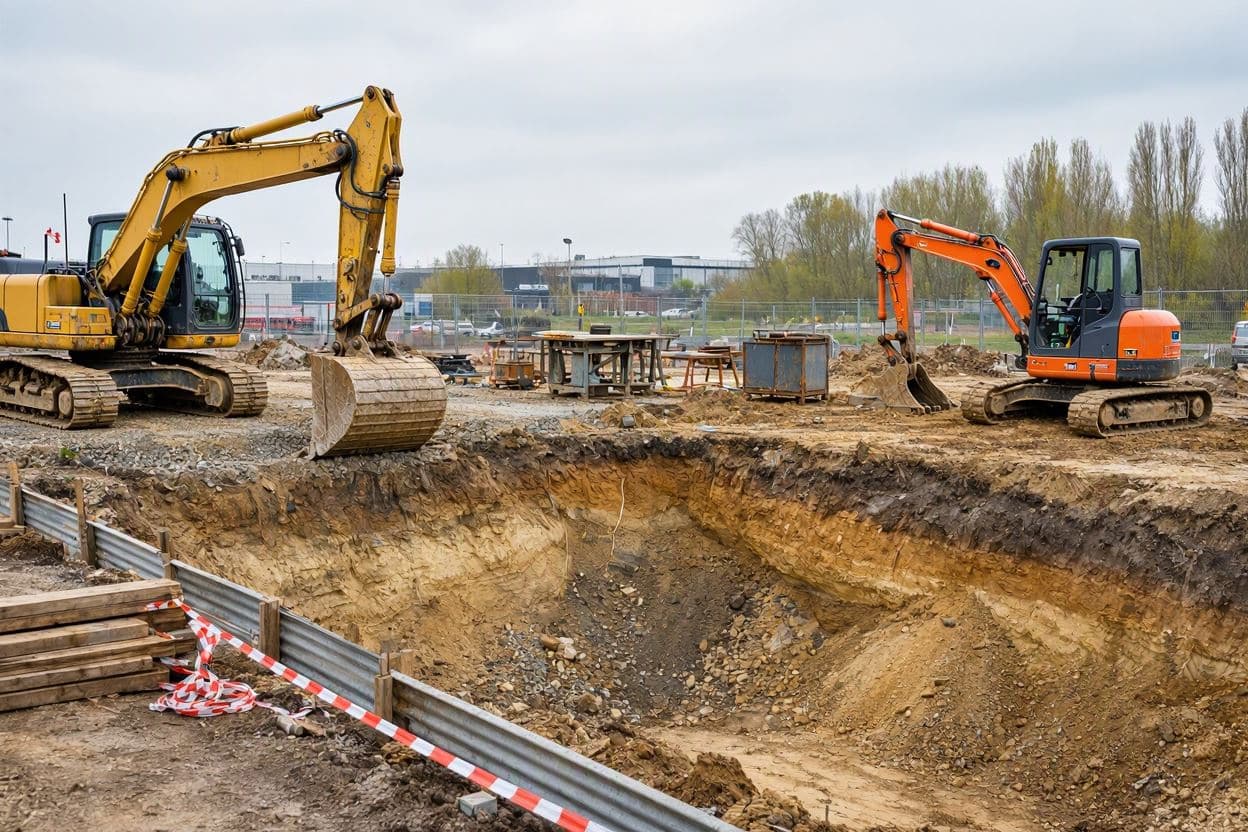
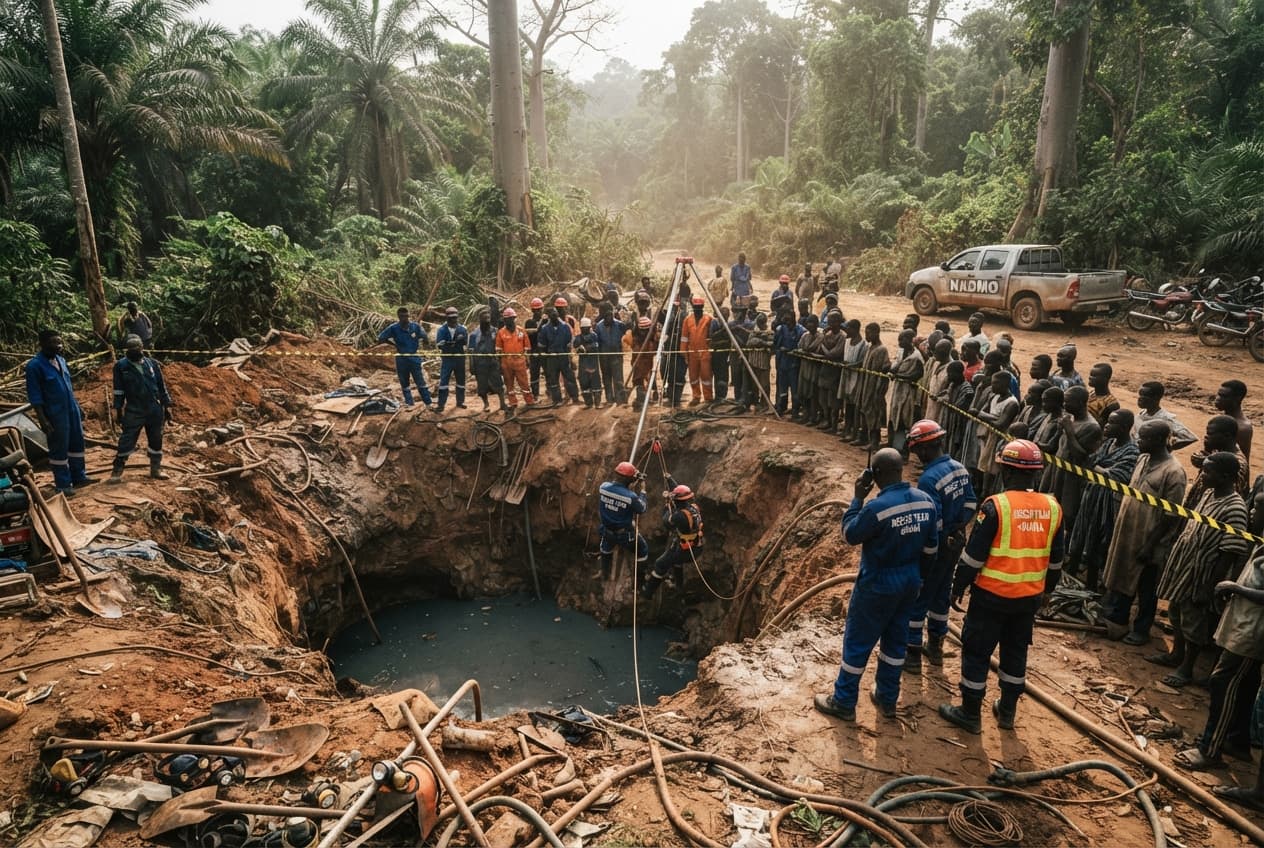
AI Image Disclaimer Visuals are AI‑generated illustrations and are not real photographs; they are intended for conceptual representation only.
Sources: CNN‑based reports on China’s hydropower plan, Wikipedia on Yarlung Zangbo project, Moneycontrol on secrecy and regional concerns.
Published by Banx Network. This article is part of the Banx decentralized media programme, powered by the BXE token on the XRP Ledger.