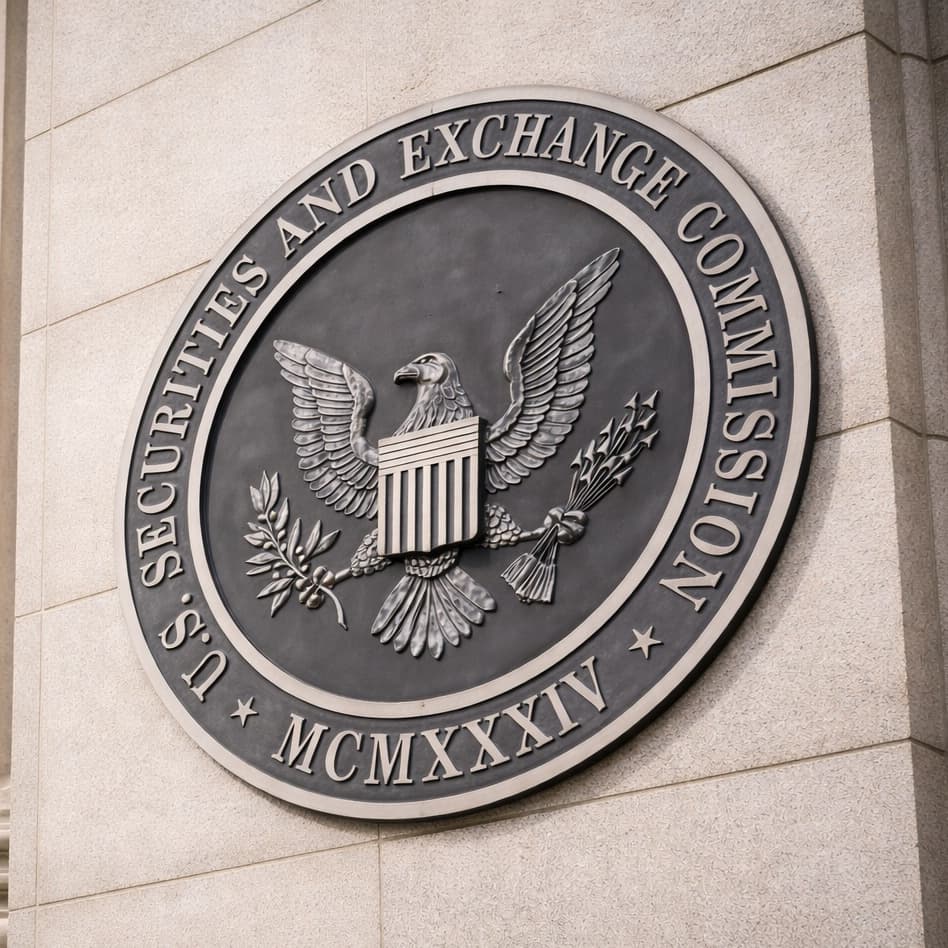
The U.S. Securities and Exchange Commission (SEC) has added tokenization to its fiscal year 2027 examination priorities, placing blockchain-based financial infrastructure among the emerging developments receiving regulatory attention. The announcement, highlighted by CoinMarketCap, also identifies quantum computing and extended trading hours as areas under review, reflecting the changing landscape of financial markets and the technologies that could reshape their operations. The inclusion of tokenization is significant because financial institutions are increasingly exploring how blockchain technology can support the issuance, transfer and management of traditional financial assets. Tokenization involves representing ownership rights in assets through digital tokens recorded on a blockchain or another digital ledger. These assets can include stocks, bonds, investment funds, government securities and other financial instruments. For regulators, the expansion of tokenization creates questions about how existing securities laws apply when ownership records and transaction processes move onto digital infrastructure. The technology may introduce new operational efficiencies, but it also requires attention to investor protection, recordkeeping, cybersecurity, custody arrangements and the responsibilities of companies operating tokenized financial platforms. The SEC's examination priorities provide insight into the issues its examination staff intends to consider when assessing regulated firms. However, adding tokenization to these priorities does not automatically mean the regulator has approved or rejected any particular blockchain network, tokenized security or financial product. Instead, it signals that the technology has become relevant to regulatory oversight as its use develops across the financial sector. The broader implications extend to companies building infrastructure for tokenized assets. Broker-dealers, investment advisers, trading platforms and other regulated entities may need to demonstrate that their systems maintain appropriate controls when using blockchain-based technology. The specific obligations will depend on their activities, applicable regulations and the products they offer. Quantum computing is another important area mentioned in the examination priorities. Advances in quantum technology could eventually affect existing cryptographic systems, creating potential security considerations for financial institutions and digital asset networks. Extended trading hours, meanwhile, raise questions about operational resilience, staffing, liquidity and the ability of market participants to manage activity across longer trading sessions. These developments highlight how financial regulation is adapting to technological change. Tokenization is no longer simply a concept discussed by blockchain developers and cryptocurrency enthusiasts. It is increasingly relevant to established financial institutions seeking new ways to manage securities, improve settlement processes and modernize market infrastructure. For the digital asset industry, the SEC's attention represents an important development, although regulatory scrutiny should not be confused with an endorsement of any specific project. Companies operating in this space will need to demonstrate that innovation can coexist with established requirements for market integrity, transparency and investor protection. As fiscal 2027 approaches, the examination priorities provide a useful indication of the technological developments that may receive greater attention from U.S. securities regulators. Tokenization's inclusion reinforces its growing importance in discussions about the future of traditional finance and blockchain-based financial services.
Published by Banx Network. This article is part of the Banx decentralized media programme, powered by the BXE token on the XRP Ledger.