In Las Vegas, where lights compete with ideas and spectacle often vies with substance, some innovations choose a quieter confidence. At CES 2026, LG’s televisions did not shout for attention; instead, they seemed to invite a closer look, asking viewers to pause, lean in, and reconsider what a screen can be. Like a framed window rather than a glowing panel, LG’s latest displays leaned toward elegance, subtlety, and a renewed conversation between technology and living space.
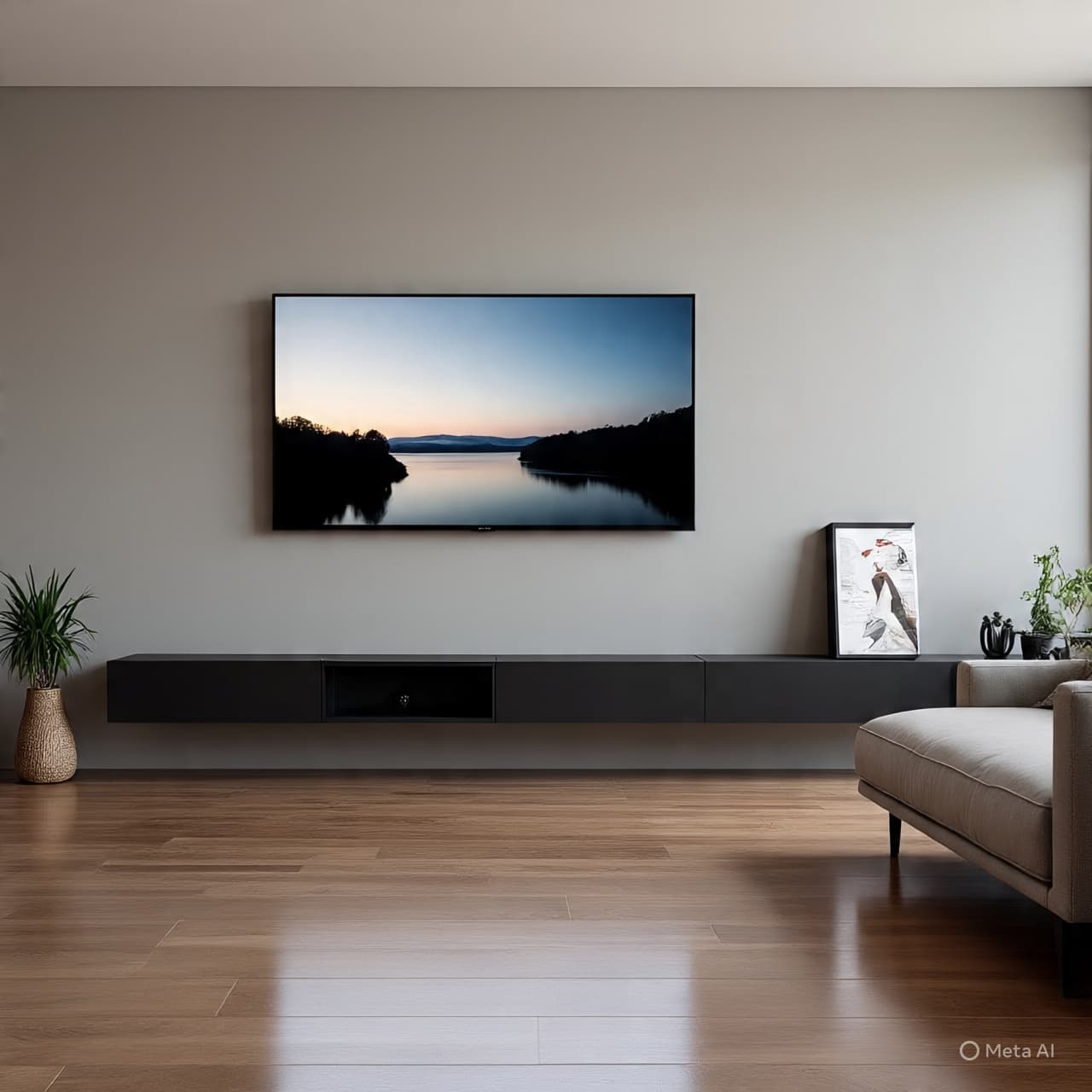
LG’s presentation centered on three intertwined ideas: screens that nearly disappear, colors that feel more lifelike than luminous, and televisions that behave less like devices and more like curated objects. Its updated Wallpaper TV once again pushed physical boundaries, pressing closer to the wall with a refined installation system that emphasized continuity over hardware presence. The goal appeared unchanged but more confident — to let the image exist without visual interruption, as if the wall itself had learned to glow.
Color, however, was where LG’s ambitions felt most pronounced. The company’s Micro RGB technology took center stage, offering a palette that appeared both richer and more controlled than previous OLED iterations. By relying on microscopic red, green, and blue light elements rather than color filters, the displays demonstrated sharper precision, deeper contrast, and improved brightness consistency. The result was not an exaggerated vibrancy, but a calm realism — skin tones softened, shadows held detail, and bright scenes avoided harshness.
The Gallery TV, long positioned as LG’s bridge between interior design and display engineering, also received careful refinement. The latest version emphasized flush mounting, slimmer profiles, and improved ambient modes that blend artwork and photography into home environments more convincingly. Rather than competing with décor, the screen receded into it, reinforcing LG’s long-standing belief that televisions should adapt to rooms, not dominate them.
Beyond visual aesthetics, LG highlighted incremental performance improvements — smoother processing, enhanced AI-based upscaling, and software refinements aimed at content discovery and personalization. These updates were presented without spectacle, reinforcing a broader theme of maturity rather than reinvention. The company appeared less interested in chasing novelty and more focused on polishing an ecosystem that already feels deeply embedded in daily life.
Taken together, LG’s CES 2026 lineup suggested a shift in emphasis. This was not about bigger screens or louder specifications, but about restraint — about letting technology serve atmosphere, space, and perception. In a show often defined by the future’s sharp edges, LG’s televisions offered something softer: a reminder that progress can be measured not only in brightness and pixels, but in how seamlessly a screen fades into the rhythm of a home.
As CES concluded, LG’s message lingered quietly. The future of television, it seemed to suggest, is not about demanding attention — but about earning it.
AI Image Disclaimer Graphics are AI-generated and intended for representation, not reality.
Sources Reuters The Verge Engadget CNET TechRadar
Published by Banx Network. This article is part of the Banx decentralized media programme, powered by the BXE token on the XRP Ledger.

.jpg&w=3840&q=75 "The Artemis Revolution: How NASA Plans to Build Humanity's Future on the Moon")