Far beneath the surface of the Atlantic Ocean, immense currents move continuously through the planet’s climate system like invisible arteries carrying heat and energy across continents. Although unseen by most people, these ocean movements help regulate weather patterns, rainfall, and temperatures affecting millions of lives worldwide.
A new scientific study warns that the Atlantic Meridional Overturning Circulation, commonly known as AMOC, could weaken by as much as 58 percent before the year 2100 if greenhouse gas emissions continue rising at current levels. Researchers describe the findings as another serious indication of long-term climate instability.
The AMOC system plays a critical role in transporting warm water from tropical regions toward the North Atlantic while circulating colder water southward at deeper ocean levels. This process influences climate conditions across Europe, North America, and parts of Africa.
Scientists have long monitored concerns that global warming and melting polar ice could disrupt the delicate balance of temperature and salinity that powers the circulation system. Freshwater from melting ice may reduce the density differences necessary to sustain strong ocean flow.
According to the study, significant weakening of AMOC could alter weather systems, intensify storms in some regions, and disrupt rainfall patterns important for agriculture and freshwater supplies. Some models also suggest potential impacts on marine ecosystems and fisheries.
Researchers emphasized that the exact timing and scale of future AMOC changes remain uncertain, as climate systems involve highly complex interactions. However, the study contributes to a growing body of evidence suggesting that large-scale ocean circulation may already be showing signs of stress.
Climate scientists caution against interpreting the findings as an immediate catastrophic scenario, but they stress that gradual weakening over decades could still carry major long-term consequences for global climate stability. Even relatively slow changes may reshape environmental conditions across multiple continents.
The research also highlights the importance of continued international climate monitoring and emissions reduction efforts. Ocean systems respond slowly but powerfully to long-term warming trends, making early policy action particularly significant.
As humanity continues confronting the realities of climate change, studies involving AMOC serve as reminders that some of Earth’s most important systems operate far beyond public view. Deep beneath the Atlantic waves, the movement of water continues quietly influencing the future shape of the world’s climate.
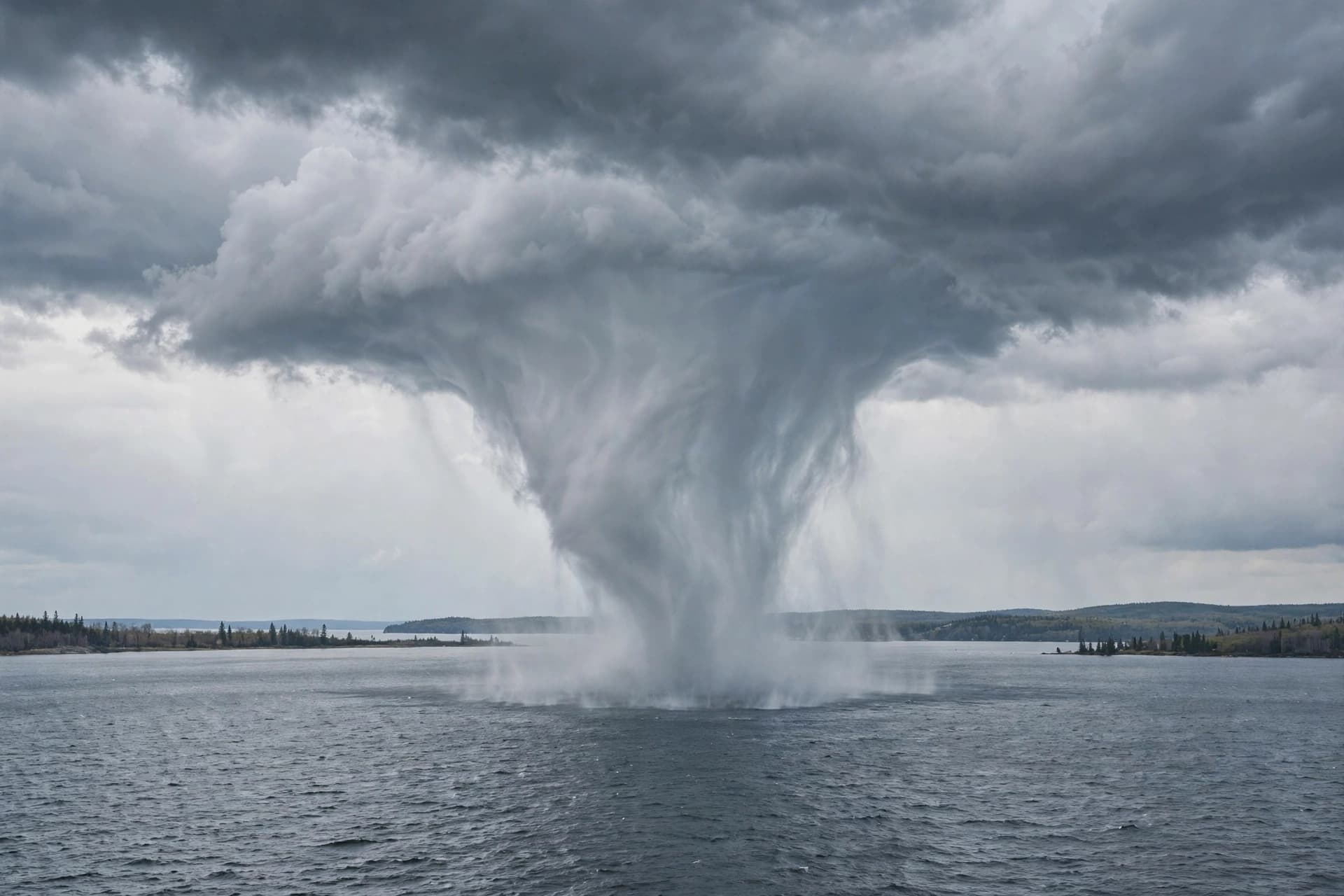
AI Image Disclaimer: Some visual illustrations included with this report were generated using AI-assisted imagery for scientific and editorial presentation.
Sources: Nature Climate Change, Reuters, BBC Science, NOAA, The Guardian
Published by Banx Network. This article is part of the Banx decentralized media programme, powered by the BXE token on the XRP Ledger.