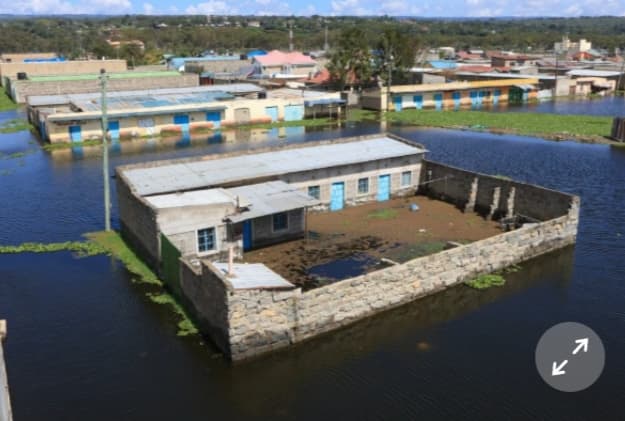
In recent years, Kenya has witnessed alarming rises in the water levels of its lakes, particularly Lake Nakuru, Lake Victoria, and Lake Baringo. This phenomenon has resulted in the displacement of thousands of residents, the destruction of homes and livelihoods, and ongoing concerns about food security and environmental sustainability.
Scientists attribute the increasing lake levels to a combination of climate change and human activities. Altered weather patterns have led to increased rainfall in some regions, overwhelming the lakes and causing them to overflow. Additionally, deforestation and land-use changes have exacerbated flooding, as natural barriers and drainage systems are compromised.
Data from the Kenyan meteorological department highlights a significant increase in precipitation over the past decade, with some areas experiencing rainfall well above average. This has put immense pressure on the lakes, many of which are already prone to fluctuations in water levels.
The implications for local communities are dire. Many families have been forced to evacuate their homes as rising waters submerge land that was once fertile. Displaced residents often find themselves in overcrowded conditions in temporary shelters, struggling to access basic necessities such as clean water and food. Livelihoods that depend on agriculture and fishing have also been severely impacted, leading to economic instability in the region.
Environmental experts express concern about the ecological consequences of rising water levels. Wetland habitats are being altered, affecting fish populations and other wildlife that depend on these ecosystems. The displacement of communities also leads to increased pressure on neighboring areas, as migration causes competition for resources and land.
While the Kenyan government is working on responses, including infrastructure improvements and emergency relief efforts, many feel that more comprehensive strategies are needed. Long-term solutions focused on climate adaptation and sustainable development are crucial to help communities cope with the ongoing challenges posed by rising lake levels.
As scientists continue to study the various contributing factors, the need for immediate action becomes increasingly apparent. For the thousands facing an uncertain future, the hope is that both local policies and international support can mitigate the impacts of environmental changes and provide a pathway toward resilience. The struggle against rising waters highlights the urgent need for integrated approaches to climate resilience that prioritize both environmental sustainability and human well-being.
Published by Banx Network. This article is part of the Banx decentralized media programme, powered by the BXE token on the XRP Ledger.