

Key Highlights
- Two scientists charged with illegally importing mpox virus samples.
- Allegations include false statements during the investigation.
- Case underscores the importance of public trust in scientific research.
The integrity of scientific research is often contingent upon public trust, which can be jeopardized by lapses in regulatory compliance. Recently, two scientists in the United States were charged with allegedly bringing samples of the mpox virus into the country without the necessary authorization. This case not only raises questions about the individuals involved but also highlights the broader implications for public confidence in scientific practices.
According to court documents, the defendants are accused of transporting biological samples without adhering to established import regulations that govern infectious materials. These regulations are designed to ensure safe handling, proper documentation, and oversight by public health agencies. The allegations suggest that the scientists may have made false statements to investigators during the inquiry, further complicating the legal proceedings.
As the case unfolds, it is essential to remember that the defendants are presumed innocent until proven guilty in a court of law. The judicial process will determine the validity of the charges, but the incident has already sparked discussions among public health experts regarding the importance of compliance with safety standards in laboratories that handle infectious agents.
Experts emphasize that laboratories must adhere to stringent national and international safety protocols. These regulations encompass various aspects, including transportation, storage, biosafety procedures, and reporting requirements. Such measures are crucial for minimizing potential risks associated with handling hazardous materials.
Despite this incident, many scientists assert that the majority of biomedical researchers follow strict ethical and regulatory guidelines. Responsible scientific collaboration is vital for advancing disease surveillance, diagnostics, and medical research globally. The overwhelming commitment to ethical practices among researchers is essential for maintaining public trust in the scientific community.
The ongoing investigation will see prosecutors present evidence while defense attorneys respond within the judicial framework. Officials have indicated that the reported incident does not pose an immediate public health emergency, but it serves as a reminder of the delicate balance between scientific progress and regulatory oversight.
This case underscores the necessity of maintaining robust oversight mechanisms to ensure that scientific research is conducted responsibly. Effective regulation not only protects public health but also helps preserve confidence in biomedical science, which is crucial for fostering collaboration and innovation in the field.
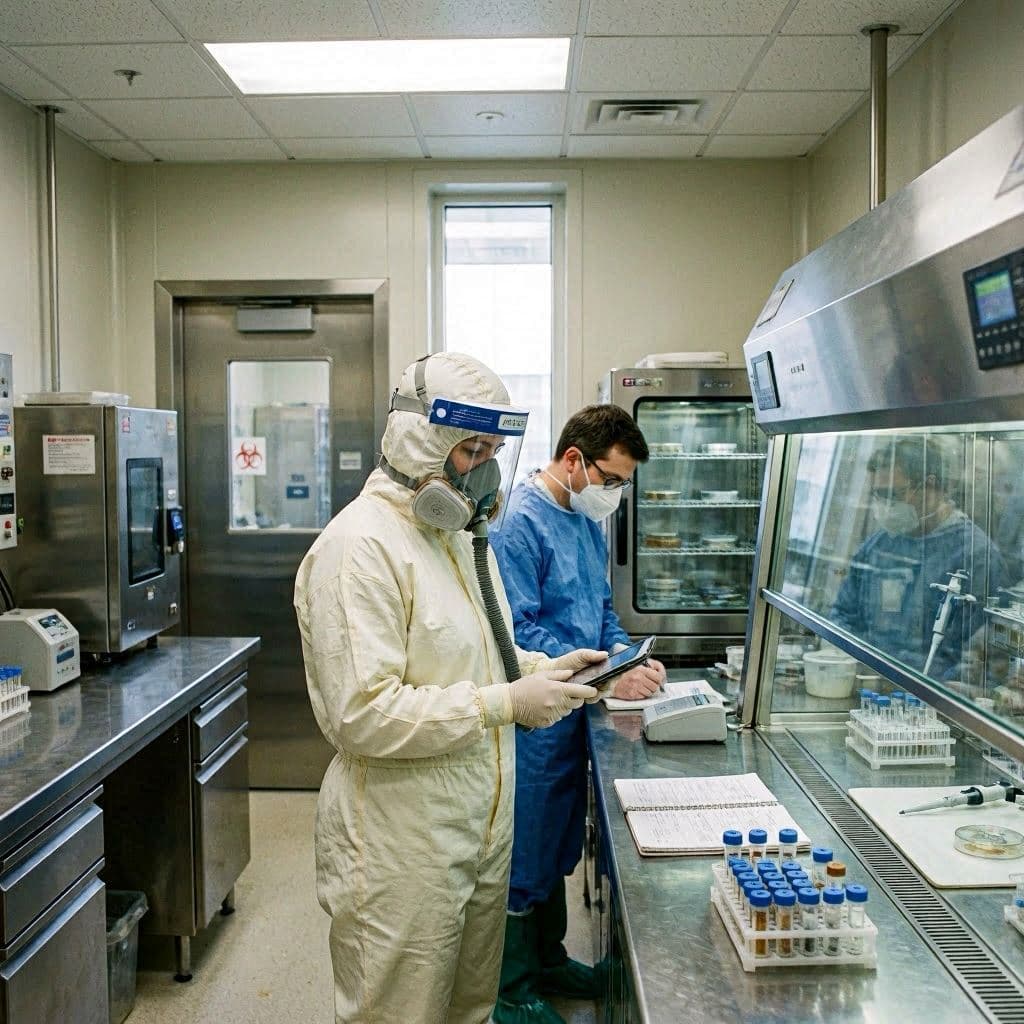
AI Image Disclaimer: The visual content accompanying this article was generated using AI for editorial illustration and does not depict the individuals involved.
Published by Banx Network. This article is part of the Banx decentralized media programme, powered by the BXE token on the XRP Ledger.




