Scientific discovery has often resembled a vast library, with each discipline occupying its own shelves and speaking in its own language. Physicists, chemists, biologists, and mathematicians have traditionally advanced knowledge within specialized boundaries. A newly developed artificial intelligence system now seeks to build bridges across those separate domains.
Researchers have introduced an experimental generative AI model known as LOGOS, designed to support a broad range of scientific disciplines within a single framework. The project aims to create a more versatile system capable of assisting scientists in analyzing data, generating hypotheses, and exploring complex relationships across fields.
Unlike conventional AI models trained for highly specific tasks, LOGOS has been developed with the ambition of functioning across multiple branches of natural science. Researchers believe such systems could accelerate interdisciplinary collaboration and improve scientific efficiency.
Modern scientific research increasingly depends on large datasets, sophisticated simulations, and computational analysis. As datasets grow in size and complexity, scientists are seeking advanced tools that can help identify patterns and reveal insights that might otherwise remain hidden.
Developers of the model emphasize that AI is intended to complement, rather than replace, human expertise. Scientific reasoning, experimental validation, and peer review remain essential components of the research process, regardless of advances in machine learning.
Experts note that interdisciplinary discoveries often occur when concepts from one field inform another. An AI system capable of navigating diverse scientific literature may help researchers uncover unexpected connections between previously separate areas of study.
At the same time, scientists caution that AI-generated findings require careful validation. Questions regarding transparency, reproducibility, and potential bias remain active areas of discussion within the scientific community.
As artificial intelligence becomes increasingly integrated into laboratories and research institutions, projects such as LOGOS highlight both the promise and the challenges of using AI to expand humanity's understanding of the natural world.
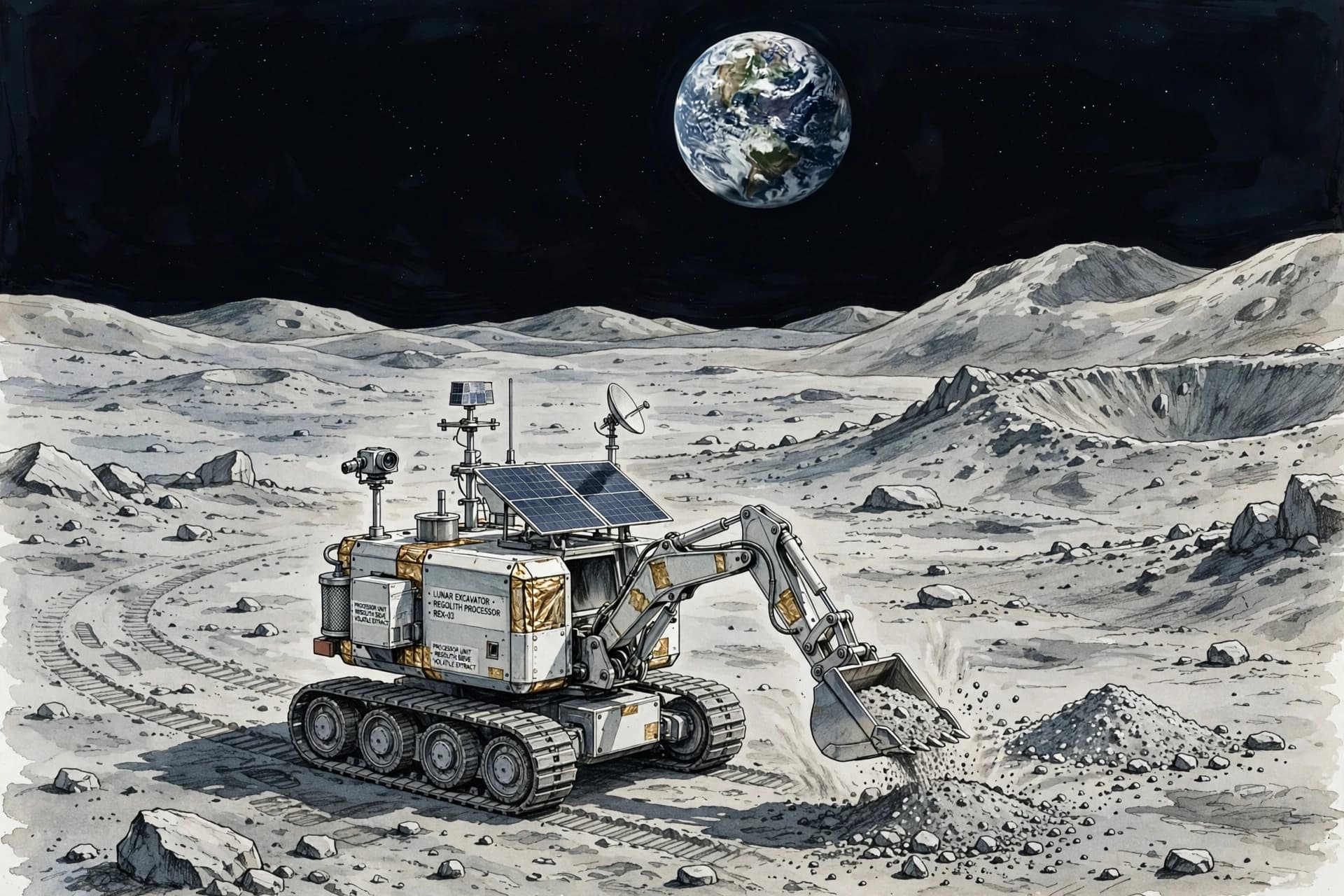
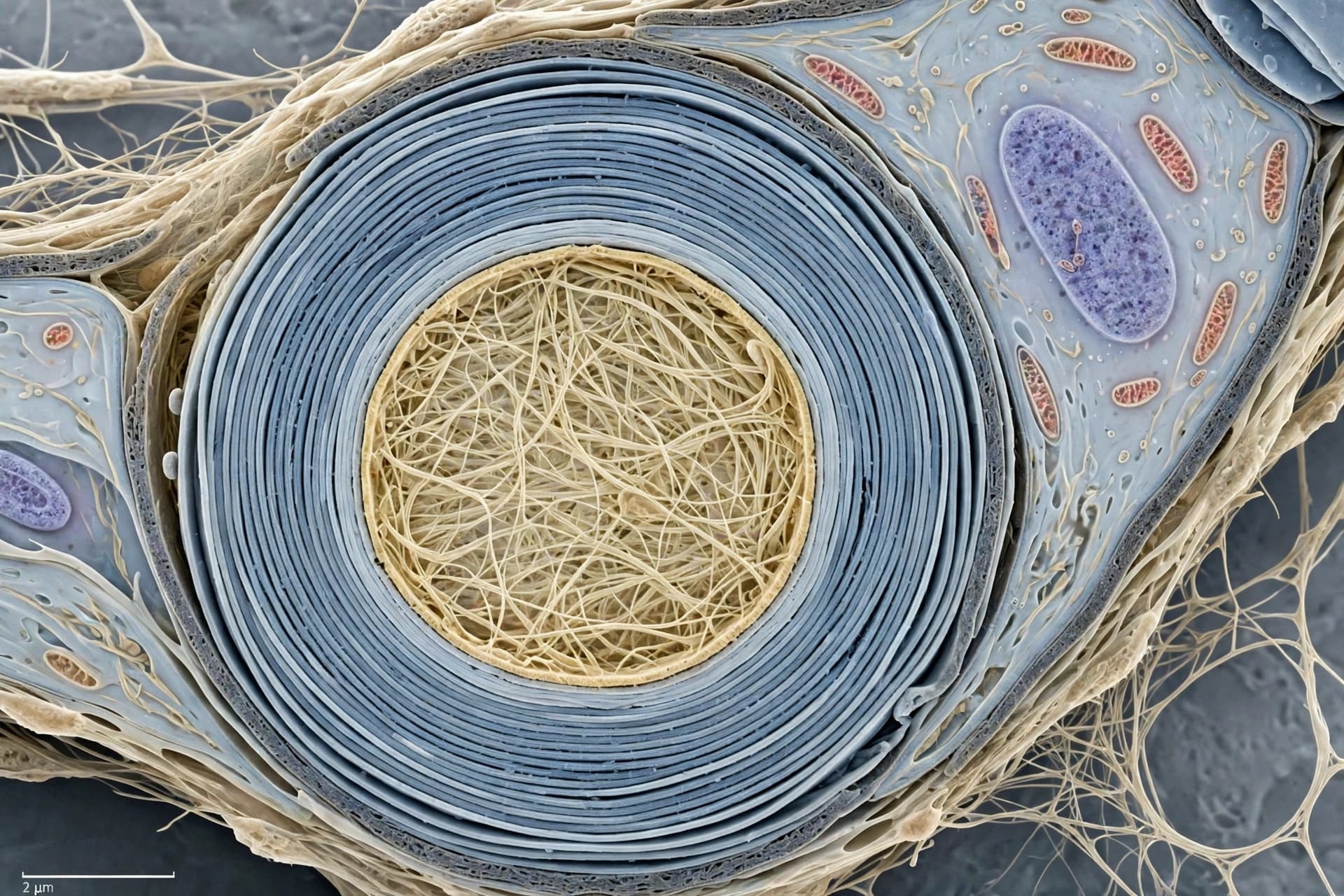
AI Image Disclaimer: The illustrations accompanying this article were created using artificial intelligence for visual explanation purposes only.
Sources: arXiv, scientific research papers, academic commentary
Published by Banx Network. This article is part of the Banx decentralized media programme, powered by the BXE token on the XRP Ledger.