Science Frontiers: Breakthroughs Shaping Health, Climate, Space, and Technology
Science has always been humanity’s most powerful tool for survival, progress, and imagination. From the earliest fire-starters to today’s space-bound rockets, we have relied on discovery and invention to adapt to our world—and to shape it. In the 21st century, the pace of innovation has accelerated to a scale that earlier generations could scarcely imagine. Advances once expected to unfold over centuries are happening in mere decades.
But with every leap forward comes complexity. Science today is not just about answering questions of curiosity—it is about solving existential crises while balancing ethics, economics, and human values. As the world wrestles with pandemics, climate change, energy transitions, and automation, science sits at the center of the conversation.
This long-form feature takes a deep look into six of the most transformative areas of current research and application: health and medicine, biotechnology, environment and climate, space exploration, energy, and robotics. Each area offers astonishing breakthroughs but also presents profound challenges. Together, they paint a picture of where humanity may be headed in the decades to come.
⸻
Health and Medicine: The AI-Driven Clinic
Few areas of science touch our lives as directly as medicine. Every innovation, from antibiotics to vaccines, has extended human lifespans and reshaped societies. Today, medicine is undergoing another seismic shift—powered largely by artificial intelligence and genomics.
AI as the New Diagnostic Partner
Artificial intelligence has moved beyond theory into clinical application. In hospitals from London to Los Angeles, AI systems are now routinely scanning radiology images. Trained on millions of examples, these systems can detect subtle patterns invisible to the human eye.
A landmark 2024 study published in Nature Medicine demonstrated that an AI system outperformed a panel of experienced radiologists in detecting early-stage breast cancer. It not only spotted malignancies with higher accuracy but also reduced false positives, sparing patients from unnecessary biopsies.
Similar systems are being trialed in cardiology, where AI can analyze echocardiograms and predict the risk of heart failure with striking accuracy. In emergency rooms, machine-learning algorithms can sift through patient histories, lab results, and symptoms to flag those at high risk of sepsis—a condition where every hour of delayed treatment drastically lowers survival chances.
The Genomic Revolution
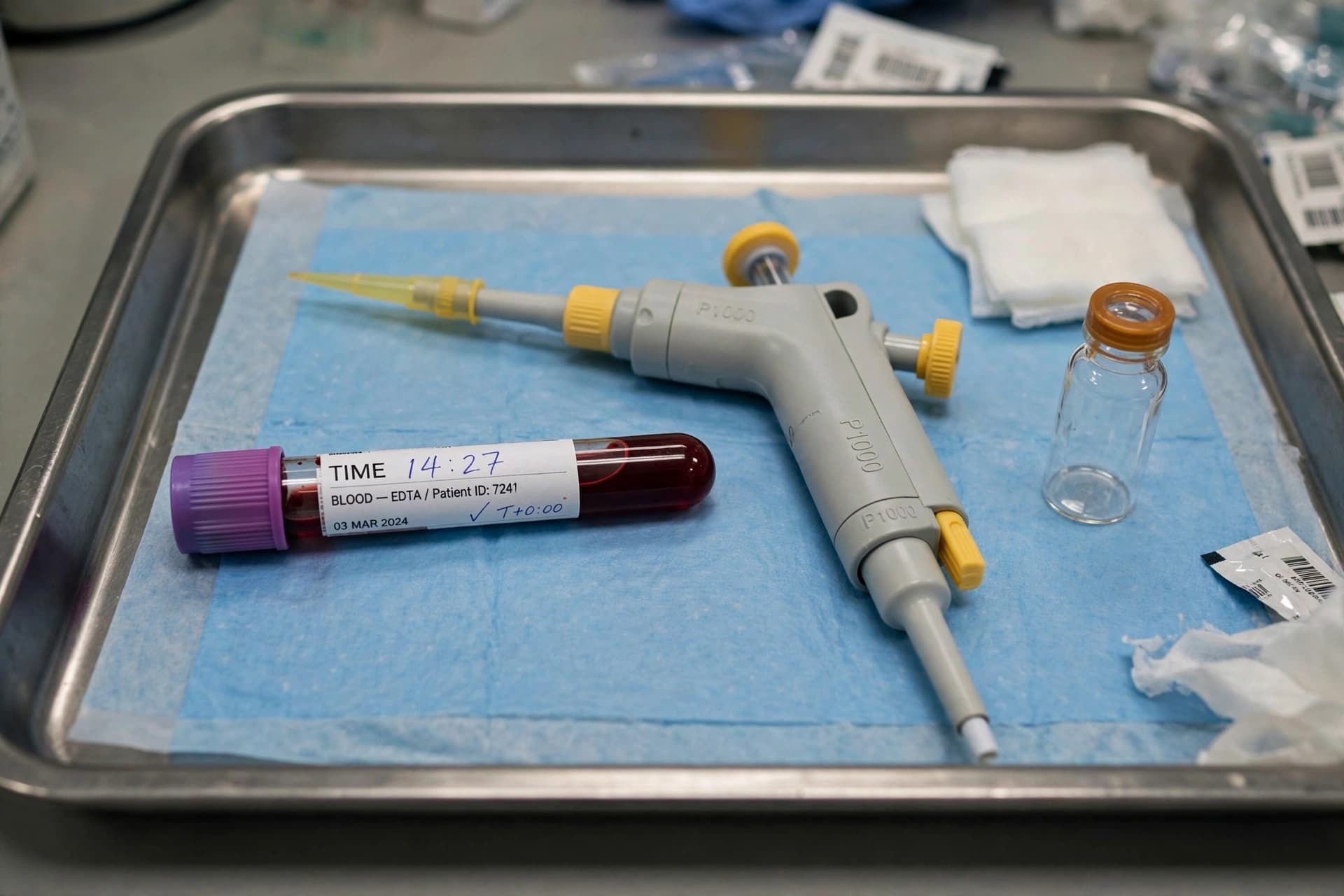
Parallel to AI, the field of genomics is rewriting what it means to practice personalized medicine. Sequencing the human genome once took years and billions of dollars. Today, it can be done in hours for under $500. This cost collapse has enabled doctors to identify genetic mutations behind rare diseases, develop targeted therapies, and even predict predispositions before illness arises.
One of the most promising avenues is mRNA technology. The world learned of its power during the COVID-19 pandemic, but researchers are now expanding its applications. Clinical trials are underway for mRNA-based vaccines against influenza, RSV, HIV, and even malaria. More dramatically, cancer researchers are developing mRNA immunotherapies that train a patient’s immune system to recognize and attack their own tumor cells, effectively creating bespoke cancer vaccines.
In Germany, one trial has shown that patients with pancreatic cancer—a disease notorious for its poor survival rates—responded positively to mRNA-based treatments, with some showing long-term remission. If larger trials succeed, oncologists may one day craft a personalized vaccine for each patient within weeks of diagnosis.
The Ethical Balancing Act
Yet, medicine’s advances come with dilemmas. AI systems are only as good as the data fed into them. If training datasets underrepresent certain demographics, the results risk amplifying existing healthcare inequities. For example, early dermatology AIs performed poorly on patients with darker skin tones because the majority of training images came from lighter-skinned populations.
Similarly, while gene editing tools like CRISPR-Cas9 offer the possibility of curing inherited diseases, they also raise fears of “designer babies.” In 2018, a Chinese scientist sparked global outrage after editing embryos to resist HIV, a premature and unethical step that violated international norms.
Healthcare’s future will require as much vigilance as vision. Regulators, ethicists, and scientists must ensure that technologies designed to save lives do not inadvertently deepen inequalities or cross moral boundaries.
Looking Ahead
If medicine in the 20th century was defined by antibiotics and vaccines, the 21st may well be remembered for AI-guided diagnostics and genomic therapies. The dream of personalized, predictive, and preventive healthcare—once the stuff of science fiction—is coming closer to reality. The challenge is ensuring that this revolution reaches not only those in wealthy nations but also the billions living in regions with limited access to even basic care.
⸻
Biotechnology and the Environment: Engineering for Survival
Biotechnology is often thought of in the context of medicine, but its reach extends far beyond hospitals and laboratories. Increasingly, biotech is being called upon to solve the most pressing challenge of our time: climate change. From food security to carbon capture, the biological sciences are converging with engineering in unprecedented ways.
Feeding a Warming World
Climate change is no longer a distant threat; it is an immediate reality. Record-breaking heat waves, prolonged droughts, and erratic rainfall patterns are already disrupting global agriculture. The United Nations estimates that by 2050, food demand will rise by 50 percent, even as climate change makes farming more precarious.
Enter genetically engineered crops. In 2025, researchers in Spain announced a genetically modified wheat that can thrive with 30 percent less water while maintaining high yields. This breakthrough came after years of work to tweak the plant’s genetic pathways for water efficiency. Similar research in Africa has yielded maize that can tolerate extreme heat and resist pests without chemical pesticides.
But the conversation around genetically modified organisms (GMOs) remains contentious. Proponents argue they are essential for feeding billions in a hotter, hungrier world. Critics worry about ecological consequences—such as engineered genes spreading into wild populations—and the monopolization of food supply by large agribusinesses. The debate highlights a central tension: should we alter life itself to adapt to climate change, or should we change human systems of consumption and waste first?
Microbes as Climate Warriors
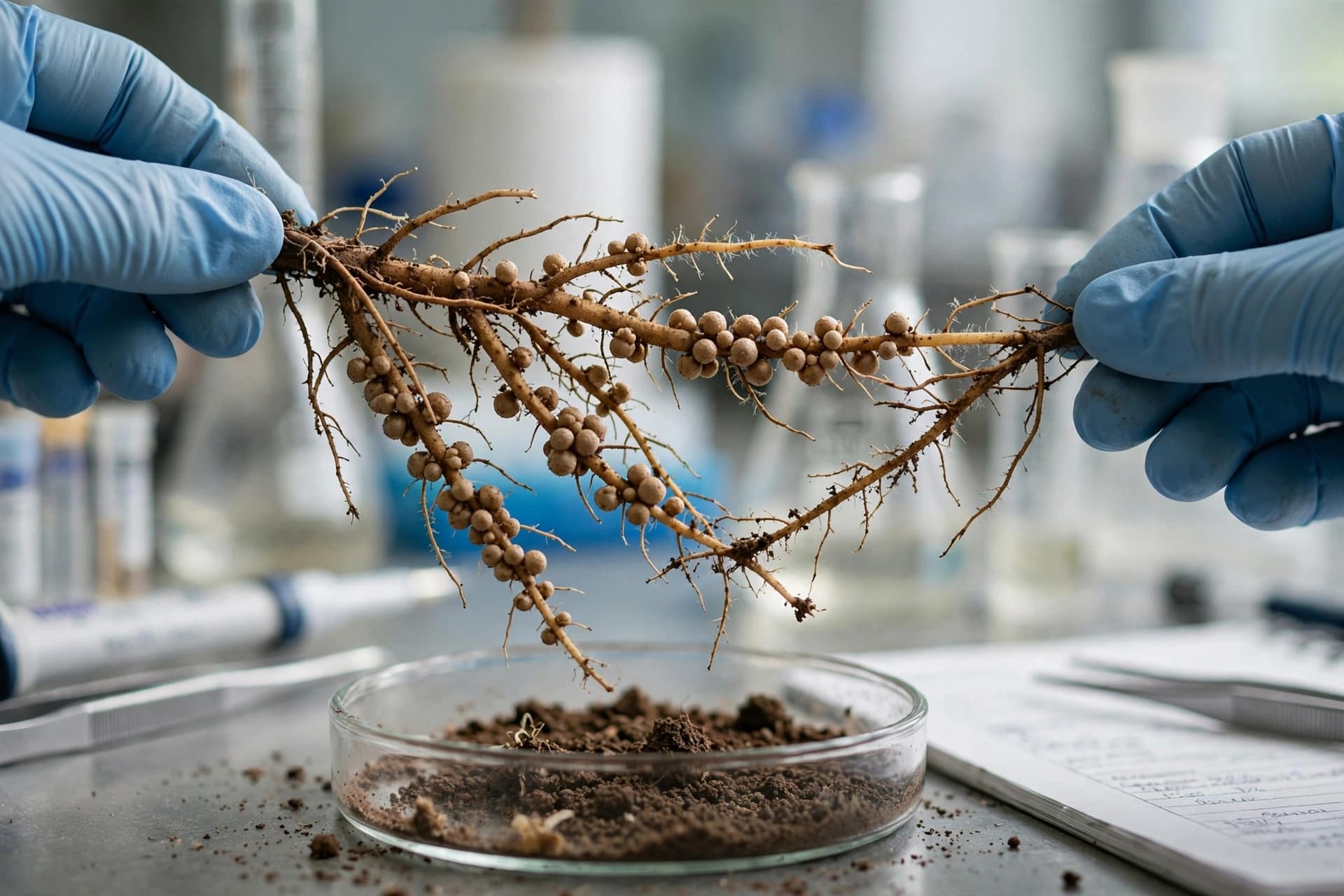
Beyond crops, scientists are harnessing microbes to tackle greenhouse gases directly. Synthetic biology allows researchers to “reprogram” bacteria and algae to perform useful tasks, like absorbing carbon dioxide or producing clean fuels.
One U.S.-based startup has designed algae that can live in industrial smokestacks, absorbing CO₂ as it’s emitted. These algae not only trap greenhouse gases but can later be harvested for biofuel or animal feed, creating a circular economy. Another team in Switzerland has engineered bacteria to sequester methane, a greenhouse gas 80 times more potent than carbon dioxide.
The appeal of these solutions lies in scalability. Microbes reproduce rapidly, meaning a small pilot project could, in theory, be expanded into a planetary-scale tool against climate change. Yet ecological risks loom large. What happens if engineered microbes escape into wild ecosystems? Could they disrupt natural balances in unpredictable ways? Scientists are developing safeguards, such as genetic “kill switches” that prevent engineered organisms from surviving outside controlled environments. Still, critics argue that no safeguard is perfect in a chaotic natural world.
Reshaping Materials and Industry
Biotech is also revolutionizing the materials we use every day. “Bio-based plastics,” derived from plant starches and engineered bacteria, are being developed as alternatives to petroleum-based plastics. These materials can biodegrade more easily, reducing the staggering problem of plastic pollution, which now infiltrates oceans, soil, and even human bloodstreams.
Meanwhile, biotech companies are producing lab-grown leather, silk, and even wood, potentially reducing the environmental footprint of industries like fashion and construction. A shoe company recently launched sneakers made entirely from mycelium—the root-like structures of fungi—demonstrating that sustainable, bio-engineered materials can be both durable and fashionable.
The Double-Edged Sword
While biotech solutions hold enormous promise, they also embody risk. The history of science shows that technologies often have unintended consequences. Fertilizers once hailed as miracle innovations later fueled pollution and dead zones in oceans. Could today’s engineered crops or microbes lead to tomorrow’s ecological disasters?
Public trust will be crucial. Transparent regulation, international cooperation, and open scientific communication will determine whether biotech becomes a lifeline for the planet—or a cautionary tale.
⸻
Environment and Climate: The Planet in Peril
Biotech is just one piece of the climate puzzle. Beyond the lab, scientists are tracking the escalating impacts of global warming and exploring ways to mitigate them.
The Evidence is Irrefutable
The past decade has brought an avalanche of evidence: climate change is accelerating. The Intergovernmental Panel on Climate Change (IPCC) reports that global average temperatures are now 1.3°C above pre-industrial levels. Heat waves once considered rare are now routine. Arctic sea ice is retreating at record speed. Wildfires rage with unprecedented ferocity, while floods devastate communities from Pakistan to Germany.
But climate change is not only an environmental crisis—it is a social one. Rising seas threaten to displace tens of millions in low-lying nations such as Bangladesh and island states in the Pacific. Climate-driven crop failures risk fueling famines and mass migrations. In this sense, climate change is not a distant environmental concern but an immediate human catastrophe.
Adaptation and Geoengineering
In addition to cutting emissions, scientists are exploring adaptation strategies and even controversial ideas of geoengineering. Adaptation ranges from building seawalls and climate-resilient infrastructure to developing drought-resistant crops and urban cooling systems. Cities like Singapore are investing in vertical gardens and reflective surfaces to reduce heat, while the Netherlands is pioneering “floating neighborhoods” to cope with rising seas.
Geoengineering, meanwhile, aims to directly manipulate Earth’s systems. Proposals include spraying aerosols into the stratosphere to reflect sunlight or “fertilizing” oceans with iron to boost algae growth that absorbs carbon. Critics warn that such interventions could have unpredictable, possibly catastrophic side effects, and risk distracting from the urgent task of reducing emissions. Nonetheless, given the scale of the crisis, geoengineering research is gaining attention.
Renewable Acceleration
Despite grim warnings, progress is real. Renewable energy is scaling faster than many predicted. In 2024, the International Energy Agency reported that solar and wind now provide 30 percent of global electricity, a milestone unthinkable two decades ago. Costs have plummeted, making renewables not just environmentally sound but economically competitive.
The transition is not without challenges: storing renewable energy, modernizing power grids, and ensuring equitable access remain obstacles. But the momentum is undeniable. Some nations, like Denmark, already generate over 70 percent of their power from renewables, offering a glimpse of a possible future.
A Defining Century
The 21st century may well be remembered as the time humanity either rose to meet the climate challenge or failed to avert catastrophe. Science can provide tools—from engineered crops to renewable grids—but political will, economic reform, and global cooperation will determine outcomes. The planet’s future hinges not on whether solutions exist—they do—but on whether societies choose to use them at scale and in time.
⸻
Space Exploration: Humanity’s Next Horizon
Since the dawn of civilization, humans have looked up at the night sky and wondered what lies beyond. For most of history, the stars were symbols of mystery and myth. Today, they are targets of exploration. The 20th century saw humanity’s first small steps into space: Sputnik’s beep, Apollo’s footprints, the Hubble’s gaze. The 21st century is poised to take far bolder leaps—back to the Moon, onward to Mars, and perhaps beyond.
The Artemis Program and the Return to the Moon
NASA’s Artemis program represents the most ambitious human spaceflight initiative since Apollo. Its goal is not merely to plant flags but to establish a sustainable human presence on the Moon. Artemis I, an uncrewed test flight, was completed in 2022. Artemis II, scheduled for 2026, will carry astronauts around the Moon. Artemis III aims to land the first woman and the first person of color on the lunar surface.
The program is more than symbolic. The Moon may serve as a staging ground for Mars missions, a base for scientific research, and even a source of resources like water ice—critical for producing fuel and sustaining crews. By turning the Moon into a “space laboratory,” scientists hope to test technologies and strategies that will one day enable long-duration stays on other planets.
Private Space and the New Economy
Space exploration is no longer the exclusive domain of governments. Companies like SpaceX, Blue Origin, and Rocket Lab are transforming the economics of launch. SpaceX’s Starship, the largest and most powerful rocket ever built, is designed to be fully reusable. If successful, it could slash the cost of spaceflight, making large-scale missions economically feasible.
The implications extend beyond exploration. Lunar mining could unlock rare metals for electronics. Space-based manufacturing might allow production of materials impossible under Earth’s gravity. Even tourism is entering the equation, with companies promising suborbital joyrides for the ultra-wealthy as a first step toward broader access.
But commercialization raises concerns. Who owns the Moon? What rights do private companies have to extraterrestrial resources? International space law, rooted in treaties from the 1960s, lags behind modern realities. Without updated frameworks, conflicts over space resources could mirror terrestrial disputes over oil and water.
Mars: The Long Dream
Mars remains the ultimate goal. Robotic explorers like Perseverance and the Chinese Zhurong rover have revealed tantalizing evidence of ancient rivers and possible microbial life. But sending humans is another matter entirely.
The challenges are immense: radiation exposure, psychological stress of multi-year missions, and the logistical nightmare of carrying (or producing) sufficient supplies. NASA estimates that a crewed Mars mission may not occur until the 2030s or 2040s. Yet momentum is building. If humanity does set foot on the Red Planet, it will represent one of the most profound milestones in history—a moment to rival the discovery of fire or the invention of the wheel.
Cosmic Perspective
Beyond practical goals, space exploration offers something harder to quantify: perspective. Images of Earth from Apollo 8 and Voyager’s “Pale Blue Dot” reminded humanity of its fragility and unity. As we push farther into the cosmos, we may rediscover not just new worlds but new ways of seeing ourselves.
⸻
Energy: The Quest for Power Without Pollution
Energy is the lifeblood of civilization. Every leap in human development—from steam engines to electricity to the digital revolution—has been powered by new ways of harnessing energy. Today, the energy question is more urgent than ever: how can we fuel a growing world without destroying the climate?
Fusion: The Star Power Dream
For decades, nuclear fusion has been the holy grail of energy research. Fusion, the process that powers the Sun, promises nearly limitless clean energy without the long-lived radioactive waste of fission. But achieving it on Earth has proven fiendishly difficult.
In 2022, the U.S. National Ignition Facility achieved a historic milestone: a fusion reaction that produced more energy than it consumed. While the gain was modest, it proved that fusion is not just theoretical. Since then, governments and startups alike have raced to scale the breakthrough. Dozens of private companies, armed with billions in investment, are designing compact reactors they hope could deliver commercial power within two decades.
Yet skepticism remains. Critics point out that scaling from experimental pulses to reliable, 24/7 power plants is an enormous leap. Engineering challenges—containing plasma at millions of degrees, building durable reactor materials, and reducing costs—remain unresolved. Even so, the dream of clean, infinite energy keeps researchers pushing forward.
The Renewable Revolution
While fusion develops, renewables are already reshaping the grid. Solar and wind power have become the fastest-growing sources of energy in history. Costs have plummeted more than 80 percent in a decade, making them cheaper than fossil fuels in most regions.
Battery technology is advancing as well, though energy storage remains a bottleneck. Large-scale projects, from lithium-ion megafactories to experimental flow batteries, aim to stabilize grids dependent on intermittent renewables. Meanwhile, hydrogen fuel is gaining traction as a clean option for heavy industry and long-distance transport.
Nuclear and the Energy Debate
Conventional nuclear fission remains controversial. Proponents argue that nuclear plants provide stable, carbon-free baseload power and that new small modular reactors (SMRs) can improve safety and reduce costs. Critics cite waste storage, accident risks, and high construction expenses. The debate reflects a larger challenge: balancing urgency in cutting emissions with realistic assessments of technology readiness.
Energy Justice
Amid the technology race, equity must not be overlooked. Over 700 million people worldwide still lack reliable electricity. Energy transitions must ensure not only cleaner power but also fair access. A just energy future means that clean power lights up both New York skyscrapers and rural villages in Sub-Saharan Africa.
⸻
Robotics and Automation: Machines That Learn
Robotics is no longer confined to assembly lines. Machines are entering hospitals, homes, and even battlefields, increasingly intelligent and autonomous. The question is no longer whether robots will transform society—it’s how, and for whom.
Learning by Doing
Traditional robots were rigid: programmed to repeat a single task endlessly. Today’s robots, powered by advances in AI and machine learning, can learn from experience. Inspired by human trial-and-error learning, these robots adapt to new situations, whether assembling different products, navigating unfamiliar terrain, or assisting patients in hospitals.
Boston Dynamics’ agile robots, once viral curiosities, are now being deployed in warehouses and search-and-rescue missions. Drones deliver medical supplies to remote villages. Robotic exoskeletons help paralyzed patients walk again, blending biomechanics with machine intelligence.
Medicine and Care
In healthcare, robots are already assisting in surgeries, where robotic arms provide precision beyond human steadiness. In Japan, where an aging population strains caregivers, social robots offer companionship and assistance with daily tasks. Critics worry about dehumanization of care, but proponents argue that robots can supplement—not replace—human touch.
Industry and the Workforce
Automation is also reshaping labor markets. Self-driving trucks threaten to upend freight industries. Robotic warehouses may reduce demand for human pickers and packers. Economists debate whether automation will destroy more jobs than it creates, or whether, as in past technological revolutions, new industries will emerge to absorb displaced workers.
Policymakers face the challenge of managing this transition. Without proactive planning—education, reskilling, social safety nets—automation could widen inequality. With foresight, it could free humans from drudgery and unleash creativity.
Ethics and Autonomy
The rise of autonomous systems raises ethical dilemmas. Should military robots make life-and-death decisions? How do we assign responsibility when an autonomous car causes an accident? What privacy rights exist when drones and surveillance robots monitor public spaces?
Answering these questions will require not only engineers but philosophers, lawmakers, and citizens. The future of robotics is as much about values as it is about technology.
⸻
Conclusion: The Convergence of Frontiers
Science in 2025 is marked by convergence. AI and genomics merge in medicine. Biotech and synthetic biology fuse
Published by Banx Network. This article is part of the Banx decentralized media programme, powered by the BXE token on the XRP Ledger.