Natural disasters often arrive with little regard for borders, languages, or political systems. Whether in the form of floods, wildfires, storms, earthquakes, or droughts, these events remind societies of the importance of preparation and resilience. Around the world, the scientific community is increasingly focusing on ways to strengthen disaster readiness through research and innovation.
Scientists from multiple disciplines are collaborating to better understand how hazards develop and how communities can reduce vulnerability before disasters occur. The effort combines expertise from climate science, engineering, data analysis, and emergency management.
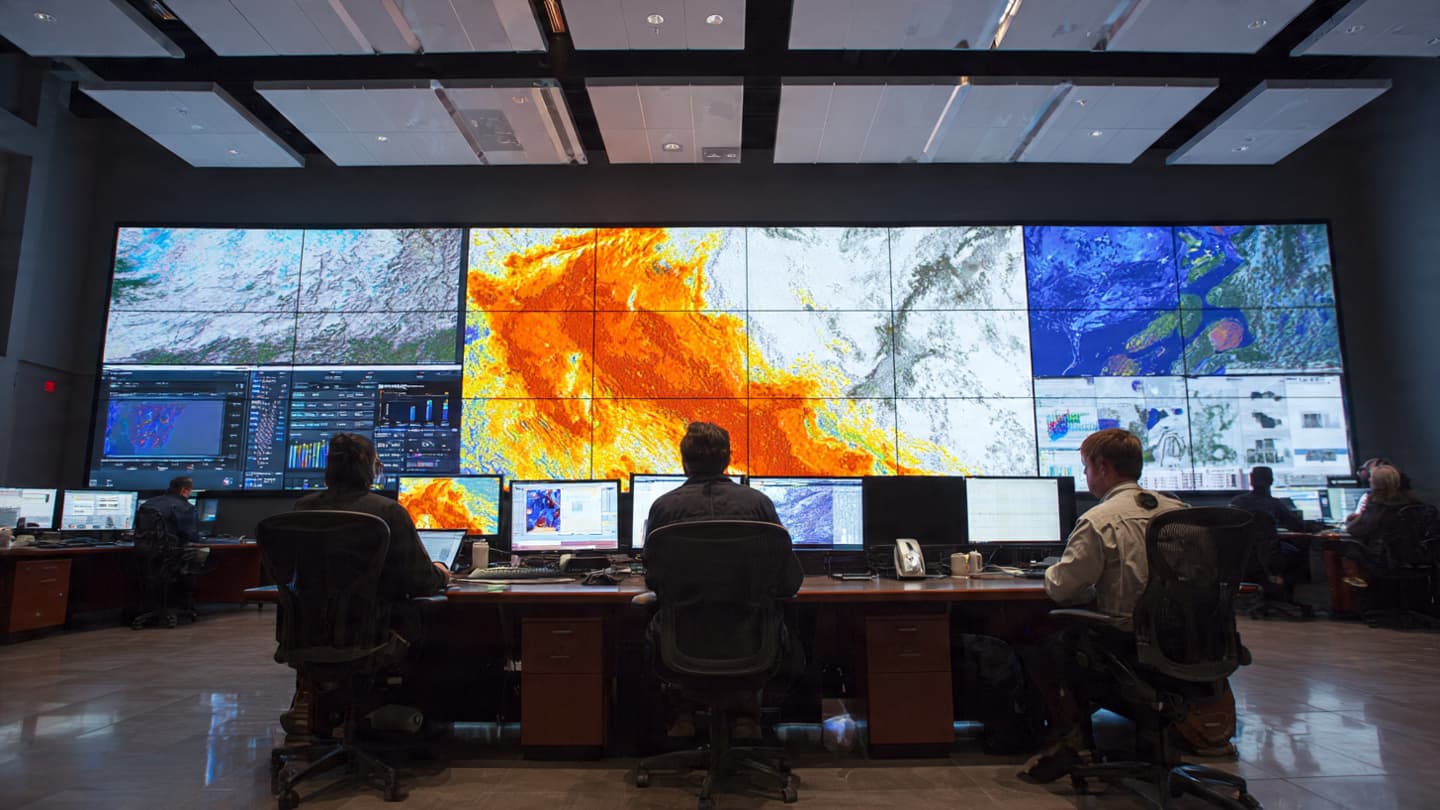
A growing emphasis has been placed on predictive technologies. Advanced forecasting systems now integrate satellite observations, weather models, sensor networks, and artificial intelligence to improve early detection capabilities.
Researchers are also studying infrastructure resilience. Buildings, transportation systems, and utilities are being evaluated to determine how they can better withstand extreme conditions.
Community-level preparedness remains another major focus. Scientific findings increasingly support the importance of public education, local planning, and accessible warning systems.
Artificial intelligence is emerging as a particularly valuable tool. Machine learning systems can analyze large datasets to identify patterns and generate faster assessments during emergencies.
International organizations have encouraged greater cooperation between countries facing similar risks. Shared knowledge and coordinated research initiatives can accelerate the development of effective disaster-management strategies.
Experts emphasize that resilience extends beyond physical infrastructure. Social networks, healthcare systems, communication channels, and economic stability all influence how communities recover from disasters.
As environmental and climatic challenges continue to evolve, the scientific community remains committed to expanding the tools available for preparedness and response. The objective is not to eliminate risk entirely but to help societies face uncertainty with greater confidence and capability.
AI Image Disclaimer: Any visual illustrations linked to this article are AI-generated and intended solely for editorial enhancement.
Sources (Verification Check): United Nations, UNESCO, World Meteorological Organization, Reuters, International Science Council
Published by Banx Network. This article is part of the Banx decentralized media programme, powered by the BXE token on the XRP Ledger.