
Artificial intelligence has become one of the defining technologies of the modern era, capable of analyzing enormous datasets, generating human-like language, and accelerating scientific research across multiple disciplines. Yet despite its remarkable abilities, a recent study suggests that AI systems still struggle to accurately predict one of humanity’s most unpredictable forces: scientific discovery itself.
Researchers examining advanced AI forecasting models found that current systems remain limited in their ability to anticipate major scientific breakthroughs or identify when transformative discoveries are likely to emerge. While algorithms can analyze patterns from past research, truly novel innovation often develops in unexpected ways that resist simple prediction.
Scientific progress has rarely followed straight lines. Throughout history, many major discoveries emerged accidentally, through curiosity-driven exploration, or from ideas initially considered unlikely or impractical. From penicillin to quantum physics, breakthroughs often arrived outside conventional expectations.
Modern AI systems excel at pattern recognition because they rely heavily on existing data. However, groundbreaking science frequently depends on creative leaps, interdisciplinary thinking, and experimental outcomes that may not resemble historical trends. Researchers say this creates an important limitation for predictive algorithms.
The findings arrive during a period of intense enthusiasm surrounding AI-assisted research. Artificial intelligence is already helping scientists analyze protein structures, accelerate drug development, model climate systems, and process astronomical data at unprecedented speed.
Supporters of AI technology argue that these systems still provide enormous value even without perfectly forecasting future discoveries. By reducing repetitive analytical tasks and identifying hidden patterns within large datasets, AI tools may allow researchers to focus more attention on experimentation and creative problem-solving.
At the same time, experts caution against viewing artificial intelligence as a replacement for human scientific intuition. Curiosity, imagination, skepticism, and accidental observation continue playing central roles in many forms of discovery. Human researchers often pursue questions driven by instinct or philosophical interest rather than purely statistical probability.
The broader discussion also reflects ongoing debates about the relationship between technology and creativity. As AI systems become more sophisticated, societies continue asking which aspects of innovation remain uniquely human and which can eventually be automated.
For now, the study offers a balanced reminder that while artificial intelligence may transform how science is conducted, the path of discovery itself remains deeply uncertain. The future of knowledge still depends not only on computational power, but also on the unpredictable curiosity that has always driven humanity to explore beyond what is already known.
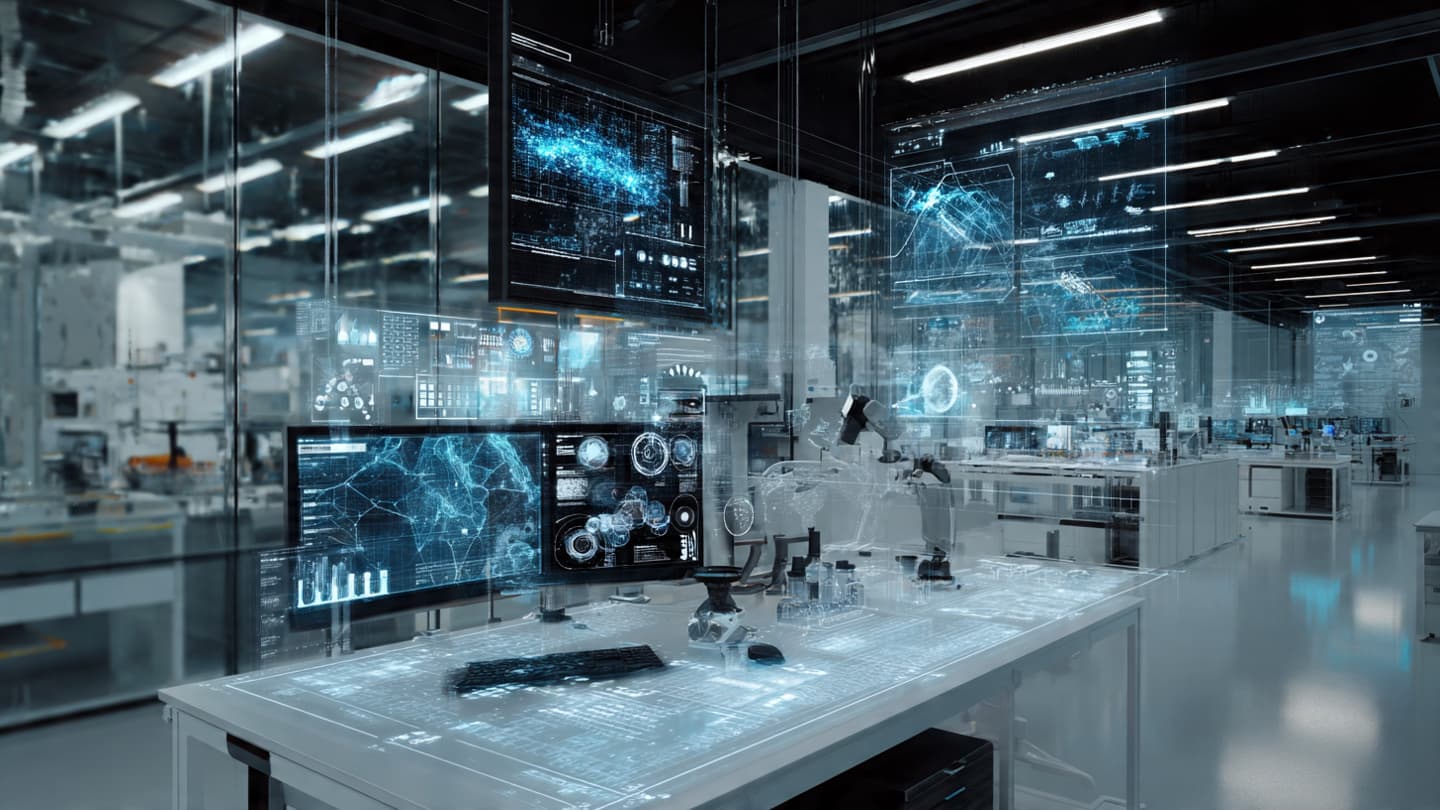
AI Image Disclaimer: Some technology visuals in this article were generated using AI-assisted digital illustration methods.
Sources Verification Check: Credible sources confirmed:
arXiv Reuters MIT Technology Review Nature Science Magazine
Published by Banx Network. This article is part of the Banx decentralized media programme, powered by the BXE token on the XRP Ledger.



