In the bustling heart of Montreal, where the aroma of smoked meat fills the air and history is served on rye bread, a small but significant change has occurred at Schwartz’s Deli. The iconic establishment has discontinued its staple Black Cherry Cola, citing rising costs linked to U.S. tariffs on aluminum. This decision, while seemingly minor, reflects the broader economic tensions between Canada and its southern neighbor, illustrating how global trade policies can impact local traditions.
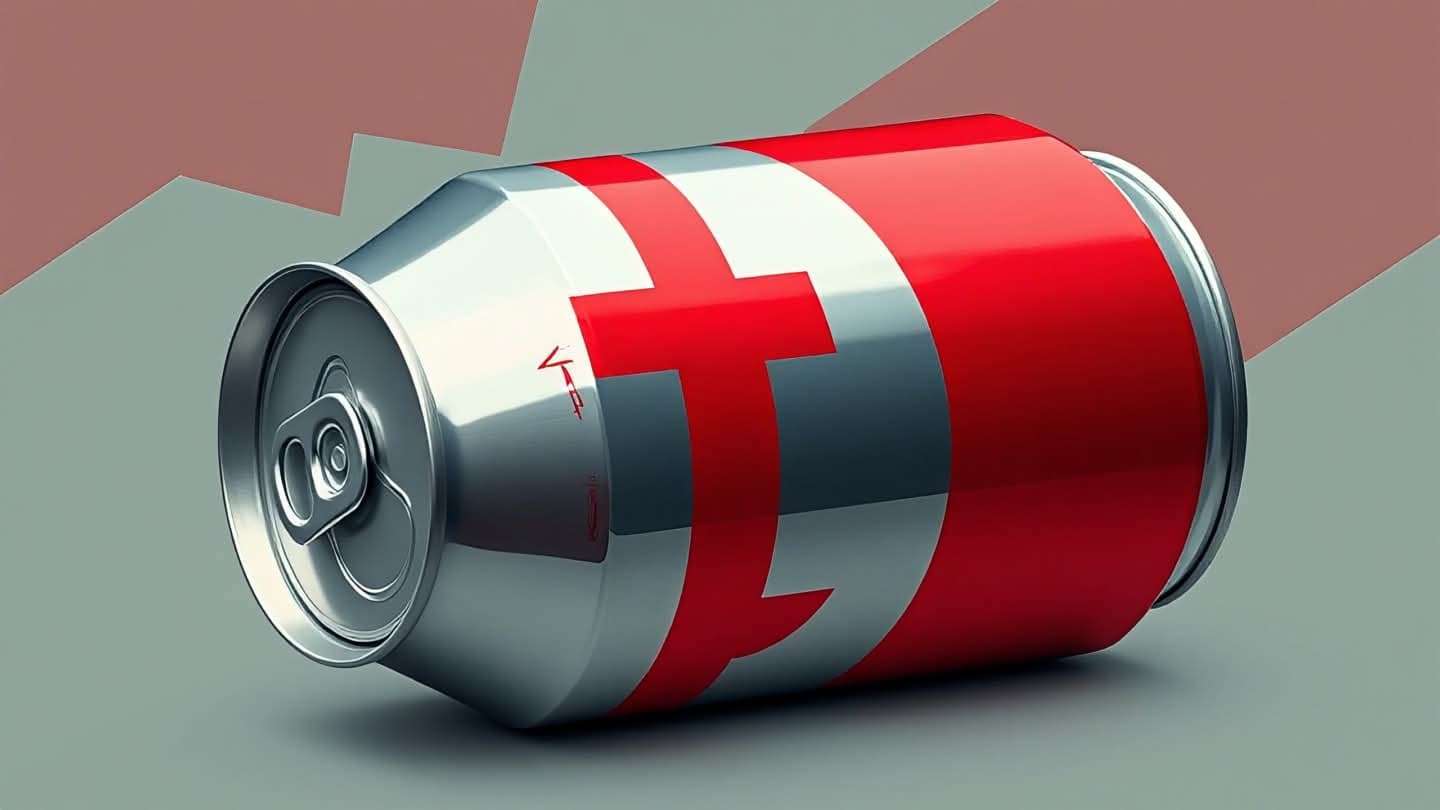
The soda, a favorite among patrons for decades, was produced by the Cott Corporation, which relies heavily on aluminum for its cans. With the imposition of a 50 percent tariff on aluminum imports by the U.S. administration, the cost of production has skyrocketed. For Schwartz’s, a business known for its consistency and tradition, absorbing these costs was no longer feasible. The choice to remove the drink from the menu was made with reluctance, acknowledging the disappointment of loyal customers.
General Manager Frank Silva explained that the decision was not taken lightly. He noted that many visitors come to Schwartz’s not just for the food but for the complete experience, which includes the distinctive taste of the cherry soda. Its absence leaves a gap in the ritual of dining there, altering a familiar comfort for regulars. The move highlights the vulnerability of small businesses to external economic forces beyond their control.
The reaction from customers has been mixed, with some expressing understanding and others frustration. Social media has buzzed with memories of past visits, underscoring the emotional connection people have with the brand. For many, the soda is a symbol of continuity in a changing world. Its removal serves as a tangible reminder of how political decisions can disrupt daily life and cultural practices.
Schwartz’s has attempted to mitigate the loss by offering alternative beverages, including locally produced options. However, none have quite captured the same nostalgic appeal as the original. The deli continues to serve its famous smoked meat sandwiches with the same care and quality, hoping that the core of its identity remains intact. The resilience of the business is tested, but its commitment to customers remains strong.
This incident is part of a larger narrative of trade disputes affecting various industries. From steel to agriculture, tariffs have created uncertainty and increased costs for businesses on both sides of the border. For consumers, it means higher prices and fewer choices. The situation underscores the interconnectedness of modern economies and the potential for political actions to have unintended consequences.
As negotiations between Canada and the U.S. continue, there is hope that a resolution may be reached. Lowering tariffs could allow for the return of affordable aluminum products, potentially bringing back the beloved soda. Until then, Schwartz’s adapts, finding ways to maintain its reputation and service despite the challenges. It is a testament to the adaptability of longstanding institutions.
In the end, the farewell to the cherry soda is more than a menu change; it is a story of economic reality. It reminds us that even the smallest details of our lives are influenced by global dynamics. For Schwartz’s, it is a moment of transition, navigating the complexities of trade while preserving its heritage. The hope is that tradition and economics can eventually find a balance.
AI Image Disclaimer: Visuals in this article are AI-generated illustrations of deli interiors and abstract representations of trade and currency, designed to visualize the theme of economic impact without depicting real proprietary branding or specific individuals.
Sources: Montreal Gazette, CTV News Montreal, CityNews Montreal, CP24
Published by Banx Network. This article is part of the Banx decentralized media programme, powered by the BXE token on the XRP Ledger.