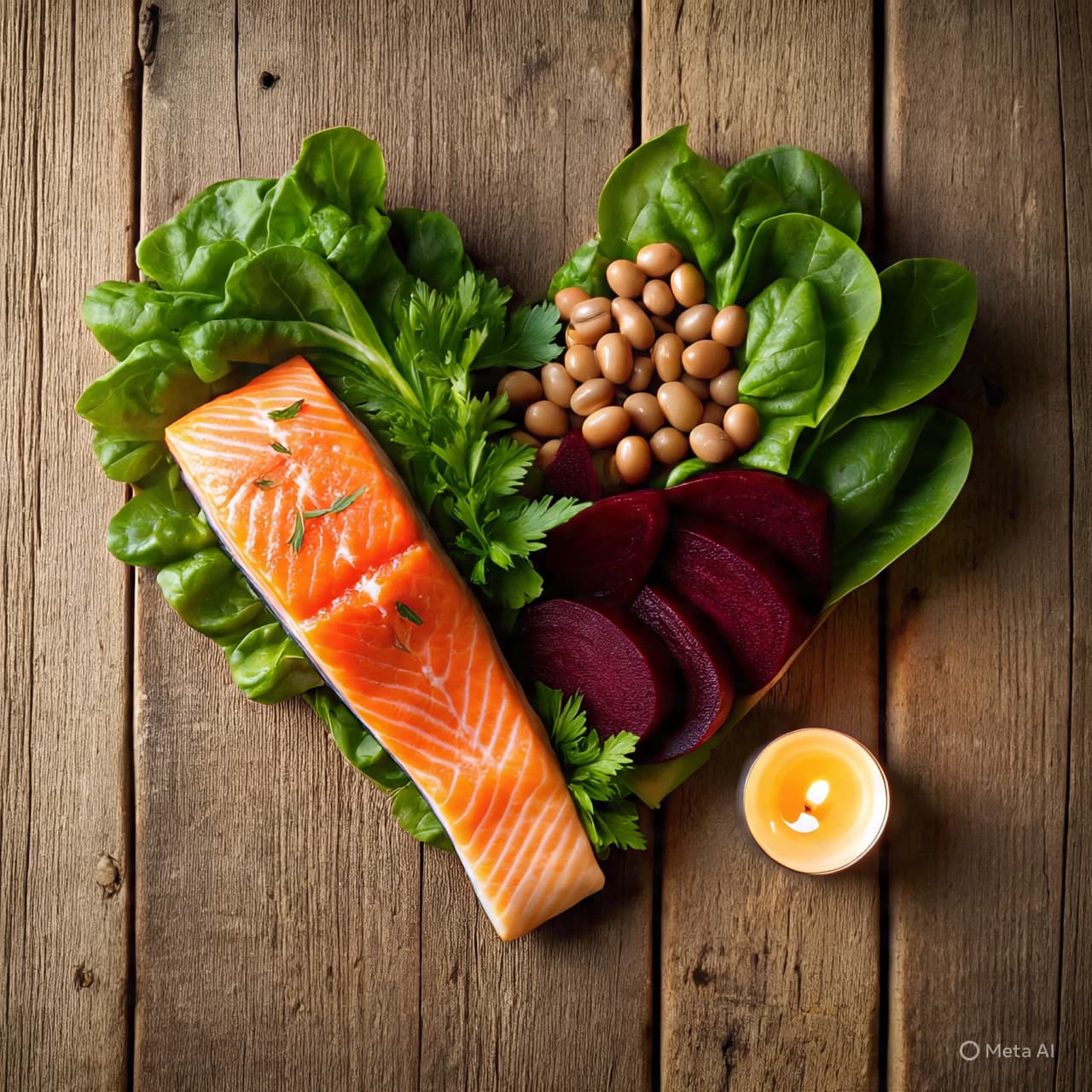
In the quiet moments of our day, when the aroma of a fresh meal drifts through the kitchen, there lies an almost poetic reminder: the foods we savor can shape more than our taste—they can nurture the very rhythm of our heart. Just as a gentle breeze eases tension in the branches, the right ingredients can ease the pressures our bodies silently endure. It is not merely a matter of nutrition; it is a dialogue between nature and our well-being, a quiet invitation to let meals become medicine.
Leafy greens sway like emerald waves on our plates, rich with potassium and magnesium, quietly helping to ease the strain of high blood pressure. Beets, with their deep crimson hue, hold nitrates that can whisper to our blood vessels, urging them to relax and widen. Berries, small and unassuming, bring a chorus of antioxidants, a gentle reminder that sweetness need not come with a cost. Whole grains and legumes offer slow, steady energy, a grounding force for the body’s circulatory rhythm. And the subtle richness of fatty fish, abundant in omega-3s, carries a promise of calm in each bite, encouraging a heart that beats in measured grace.
In this symphony of flavors, it is not about restriction but harmony. Meals rich in vegetables, fruits, whole grains, and healthy proteins form a natural cadence, counterbalancing the stresses and strains that life imposes. The DASH diet, long praised by medical research, exemplifies this approach: a culinary map that guides us toward both health and enjoyment. Even the simplest additions—garlic, nuts, or a sprinkle of seeds—can perform quiet miracles, softening the unseen pressures that so often accumulate.
Ultimately, the wisdom of these foods is not hidden in complex formulas but in the gentle act of choosing them each day. By inviting such ingredients onto our plates, we are participating in a subtle form of care, a daily meditation on wellness. The body responds, silently but surely, with lowered blood pressure, steadier heartbeats, and a renewed sense of vitality. It is a reminder that health need not be austere or joyless; it can be delicious, nourishing, and deeply restorative.
AI Image Disclaimer “Visuals in this article were generated with AI tools and serve as conceptual depictions, not real photographs.”
Sources Healthline Mayo Clinic Harvard Health Publishing WebMD National Institutes of Health (NIH)
Published by Banx Network. This article is part of the Banx decentralized media programme, powered by the BXE token on the XRP Ledger.