
Key Highlights
- New Condition:Trump demands Saudi Arabia normalize relations with Israel.
- Nuclear Deal Status:The agreement is contingent on Saudi compliance with the Abraham Accords.
- Congressional Review:The deal is currently under review by Congress.
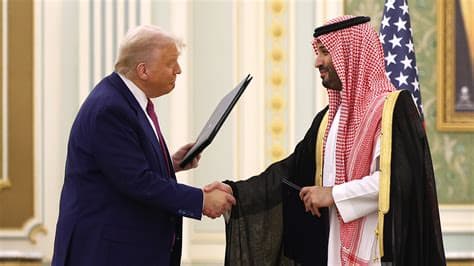
President Donald Trump has announced that the recently signed US-Saudi civilian nuclear deal will only be approved if Saudi Arabia agrees to normalize relations with Israel and join the Abraham Accords. This new condition was not part of the initial public messaging surrounding the agreement, which was announced earlier this week. The stipulation raises significant questions about the future of the deal, which aims to facilitate civilian nuclear cooperation between the two nations.
The nuclear deal, as outlined by Trump, is intended for non-military purposes, emphasizing that there will be “no enrichment of material.” However, experts have expressed concerns regarding potential proliferation risks associated with the agreement. The inclusion of a condition requiring Saudi Arabia to recognize Israel complicates the diplomatic landscape, as it ties the nuclear deal to broader geopolitical dynamics in the Middle East.
Saudi officials have yet to publicly respond to Trump's new condition, leaving many to speculate on the kingdom's next steps. The demand for normalization with Israel is a significant shift in the diplomatic approach, as Saudi Arabia has historically maintained a cautious stance regarding formal relations with Israel. The kingdom's leadership may face internal and external pressures as they navigate this complex situation.
In contrast, Israel has welcomed the prospect of Saudi normalization, viewing it as a potential step towards greater stability and cooperation in the region. The Israeli government has long sought to strengthen ties with Arab nations, and the inclusion of Saudi Arabia in the Abraham Accords could reshape the geopolitical landscape of the Middle East.
As the deal moves to Congress for review, lawmakers will need to consider the implications of Trump's conditions. The legislative body has a history of scrutinizing international agreements, particularly those involving nuclear capabilities. The outcome of this review will be critical in determining whether the US-Saudi nuclear deal can proceed under the new terms set by the Trump administration.
The situation remains fluid, and the coming weeks will be pivotal in shaping the future of US-Saudi relations and the broader dynamics of Middle Eastern diplomacy. Stakeholders from both nations will be closely monitoring developments as they unfold, with the potential for significant ramifications on regional security and international relations.
Published by Banx Network. This article is part of the Banx decentralized media programme, powered by the BXE token on the XRP Ledger.



