
Key Highlights
- Saudi Arabia and Kuwait have eased operational restrictions affecting trade.
- The U.S. continues its maritime initiative, Project Freedom Hormuz.
- The Strait of Hormuz is crucial for global oil exports and trade stability.
In a significant move reflecting the complex dynamics of the Persian Gulf, Saudi Arabia and Kuwait have reportedly eased several operational restrictions that were impacting trade and maritime operations. This decision comes amid heightened scrutiny of regional shipping routes, particularly following a series of military incidents involving commercial vessels near the strategically vital Strait of Hormuz. The adjustments made by both nations are seen as efforts to ensure the continuity of trade and energy flow in a time of escalating regional tensions.
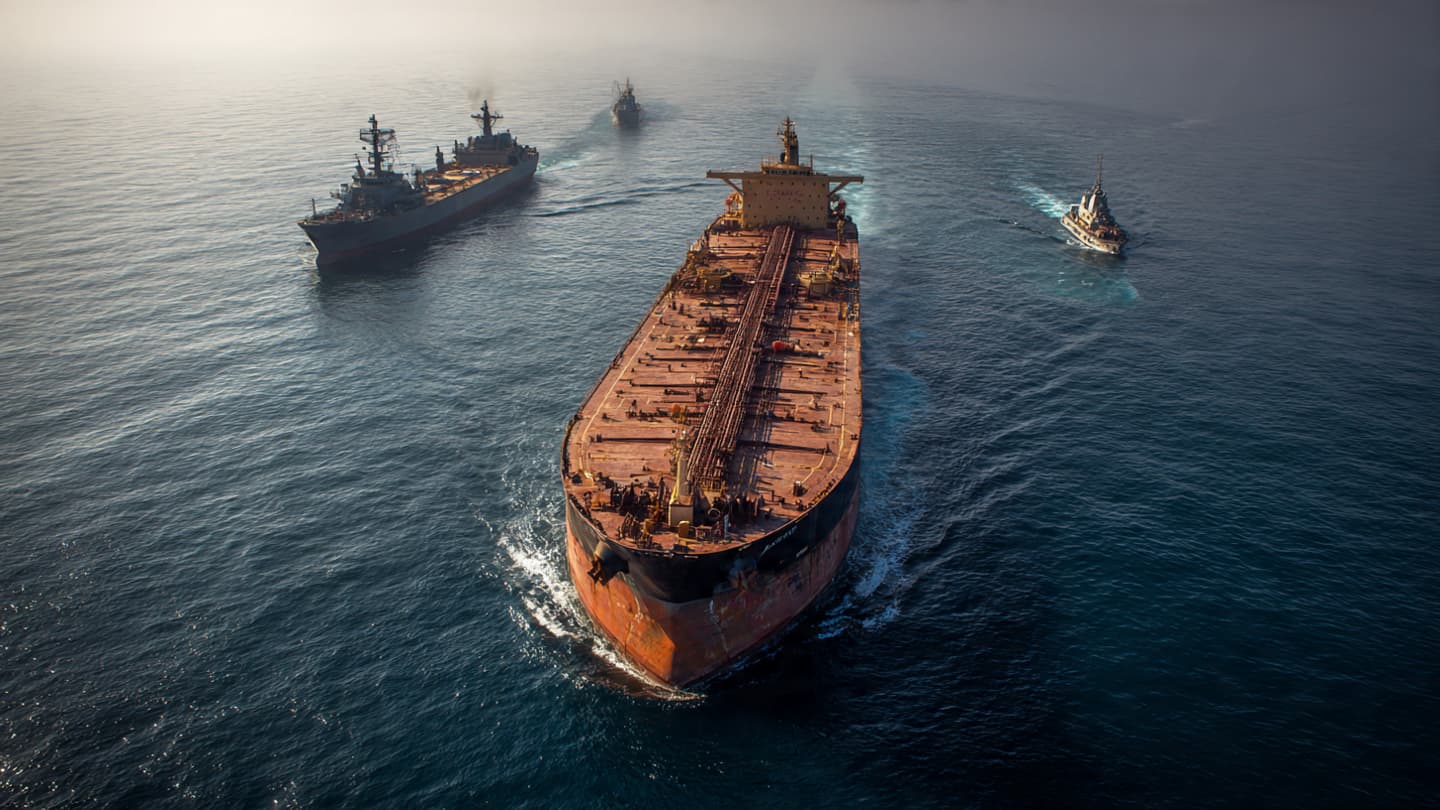
The easing of restrictions aligns with the United States' ongoing maritime initiative known as Project Freedom Hormuz, which aims to safeguard commercial shipping and ensure freedom of navigation through the Strait. U.S. officials have confirmed that despite recent security concerns, the initiative will continue to operate, underscoring its importance in maintaining stability in the region. The project has become increasingly critical as geopolitical frictions persist, impacting not only military strategies but also international trade routes.
The Strait of Hormuz is one of the world's most vital maritime corridors, with a significant portion of global oil exports passing through its narrow waters daily. This strategic waterway connects energy producers in the Middle East to markets in Asia, Europe, and beyond. Disruptions in this area can have immediate and far-reaching effects on financial markets and international diplomacy, making the recent developments in Saudi Arabia and Kuwait particularly noteworthy.
Analysts suggest that the decisions made by Saudi and Kuwaiti authorities reflect a careful balancing act between caution and economic necessity. For both countries, maintaining uninterrupted energy exports is essential for economic stability, especially as global markets grapple with fluctuating energy prices and broader geopolitical uncertainties. The adjustments in trade policy signal a commitment to ensuring that energy flows remain steady, even amid rising tensions.
The United States has framed Project Freedom Hormuz not only as a security operation but also as a stabilizing effort aimed at protecting civilian shipping traffic. U.S. naval patrols and surveillance activities in the region have expanded in coordination with allied forces, reinforcing the message that maritime security is a priority for the international community.
Diplomatic observers note the broader implications of the continuation of maritime security operations in the Gulf. These efforts represent not just military readiness but also a commitment to maintaining open trade routes during periods of regional strain. For shipping companies and energy traders, the practical implications of these developments are significant. Insurance costs, shipping schedules, and market confidence are all closely tied to perceptions of stability in the Strait of Hormuz. Even minor improvements in operational certainty can influence broader economic calculations, making the recent easing of restrictions a critical development for the industry.
As regional governments navigate tensions through diplomacy and security coordination, the narrow waterways of the Gulf serve as a reminder that global commerce often hinges on maintaining calm in areas where uncertainty can escalate rapidly. The actions taken by Saudi Arabia and Kuwait may pave the way for a more stable trading environment, benefiting not only their economies but also the broader international market.
Published by Banx Network. This article is part of the Banx decentralized media programme, powered by the BXE token on the XRP Ledger.



