Key Highlights
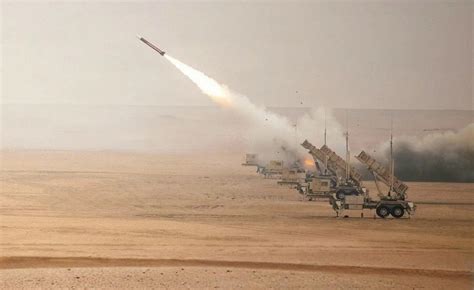
- Incident:Saudi air defenses intercepted three cruise missiles launched toward Riyadh.
- Source:The missiles were attributed to Yemen’s Houthi movement.
- Security Concerns:The incident raises alarms about regional security dynamics.
Saudi air defenses successfully intercepted three cruise missiles that were launched toward Riyadh, as reported by multiple news outlets. The missiles were attributed to the Houthi movement from Yemen, a group that has a history of targeting Saudi territory with missile strikes. This recent incident underscores the ongoing tensions in the region and the persistent threat posed by the Houthis, who have been engaged in a protracted conflict with Saudi Arabia since 2015.
The interception of these missiles is a significant event, as it highlights the capabilities of Saudi air defense systems, which have been bolstered in recent years with advanced technology and support from international allies. However, the report did not specify the exact timing of the interception, nor did it provide details on where the missiles were destroyed or if there were any damages or injuries reported as a result of the attack.
Furthermore, the lack of independent confirmation or a statement from the Houthi movement raises questions about the accuracy of the reports. The Houthis have previously claimed responsibility for various attacks, but they have also been known to deny involvement in incidents that could portray them in a negative light. This ambiguity necessitates caution in interpreting the details of the incident until further verified by official statements or reliable sources.
The interception adds to the growing concerns regarding security in the region, particularly as tensions between Saudi Arabia and Iran, the Houthi's primary backer, continue to escalate. The ongoing conflict in Yemen has created a complex geopolitical landscape, with various factions vying for power and influence. The situation remains fluid, and developments such as missile interceptions are critical indicators of the broader security environment in the Middle East.
As the situation evolves, it will be essential for regional and international stakeholders to monitor these developments closely. The implications of such missile attacks and interceptions extend beyond immediate military concerns, affecting diplomatic relations and the stability of the region as a whole.
Published by Banx Network. This article is part of the Banx decentralized media programme, powered by the BXE token on the XRP Ledger.