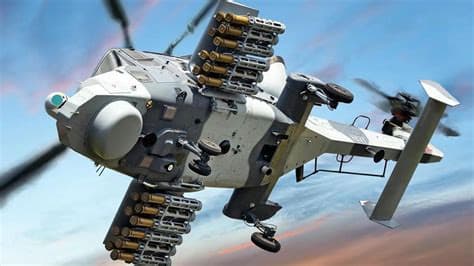
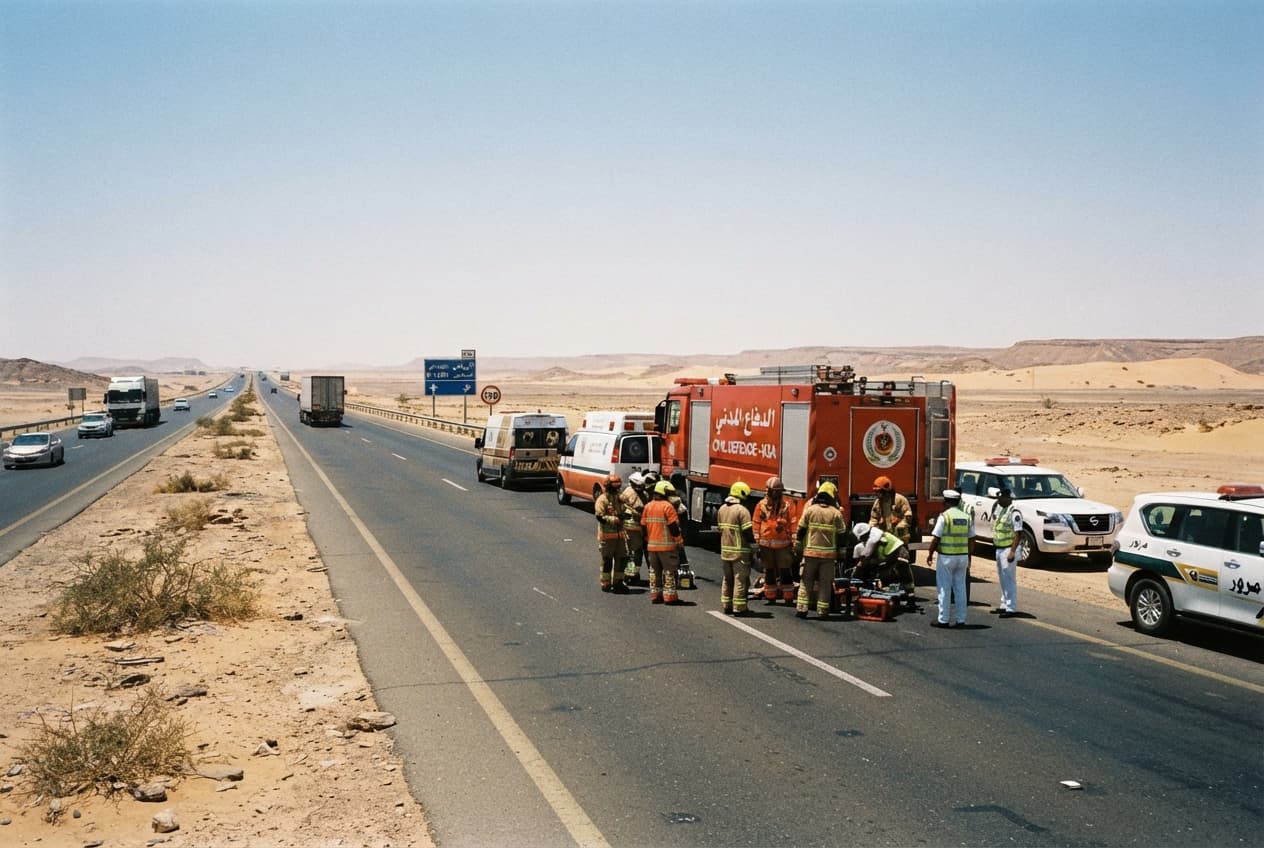
The desert wind carries a faint smell of dust and heat, stirring the sands around the edges of Prince Sultan Air Base, where the morning sun gilds hangars and runways with a golden, almost fragile light. Life here follows its meticulous rhythms—aircraft lining up in careful formation, maintenance crews moving in synchronized steps—but today, that rhythm has been broken. Across the Gulf, news flows in like a sudden gust: a strike launched from Iranian territory reached the heart of the base, touching the machines of war and the lives of those who operate them.
The reports are measured yet unmistakable. Several U.S. aircraft sustained damage, and a number of troops were injured in the incident, a reminder that even the most fortified positions are not beyond reach. Military analysts note that while the physical damage may be limited, the psychological weight of such strikes carries broader implications—signals sent across the region about reach, capability, and resolve. Each headline, each whispered briefing, ripples far beyond the sand and concrete, affecting strategy rooms and diplomatic channels alike.
Observers also point to the human dimension: the quiet resilience of personnel, the silent urgency of medics and engineers, the stories of those who, in the heat of desert light, continue their duties amid tension. Such moments blend the technical with the elemental—the precise mechanics of aircraft and munitions entwined with the unpredictable forces of geography, politics, and human will. As dusk stretches over the horizon, the airbase becomes a tableau of vigilance and uncertainty, a symbol of the delicate balance in a region where every move carries weighty consequences.
For global audiences, the incident is both a stark update and a reminder of the fragility beneath military might. In the intricate dance of deterrence, diplomacy, and preparedness, the strike underscores a persistent truth: even the most powerful forces are measured not only in hardware, but in perception, presence, and the enduring human element that binds them to the land they occupy.
AI Image Disclaimer Visuals are AI-generated and serve as conceptual representations.
Sources Reuters Al Jazeera BBC News The Guardian Middle East Eye
Published by Banx Network. This article is part of the Banx decentralized media programme, powered by the BXE token on the XRP Ledger.