
The wind off the southern ocean has a way of sharpening the senses. In Wellington, it carries the salt of the sea and the faint iron note of rain, sweeping along the harbor’s edge where joggers usually trace familiar routes and ferries stitch the water with quiet regularity. In recent days, that wind has carried something else—a reminder that even well-ordered cities can be undone by unseen fractures beneath their streets.
What began as a failure below ground became visible above it. A damaged wastewater pipe released millions of liters of untreated sewage, spilling steadily into coastal waters that frame the capital. The ocean, usually a patient listener to the city’s daily rhythms, absorbed the flow without protest, while the shoreline bore the consequences. Beaches were closed. Warning signs appeared where children often paddle and dogs chase thrown sticks. The water darkened with the knowledge of what it carried.
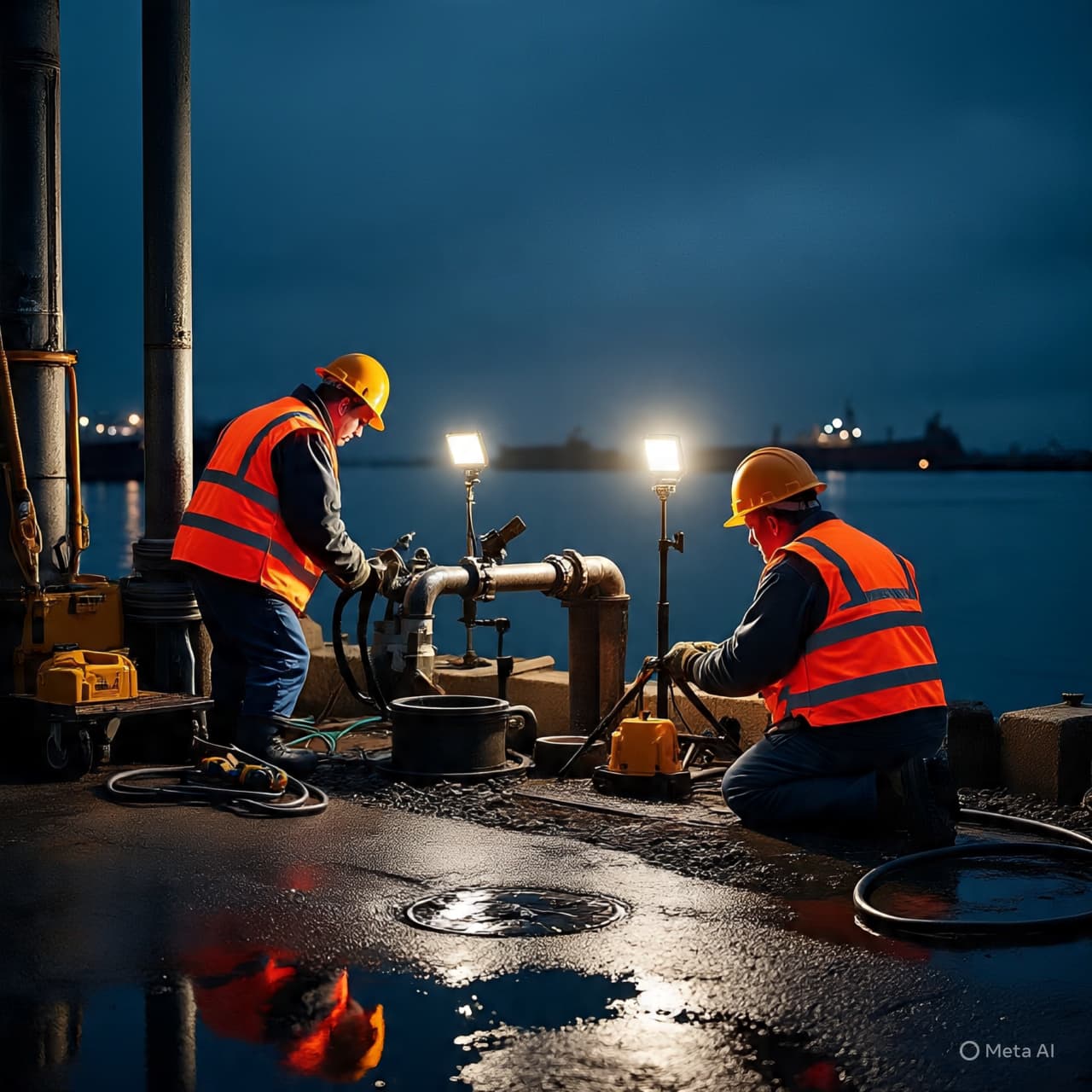
The break itself was unremarkable in appearance—concrete and steel meeting stress they were never meant to bear for so long. Yet its impact rippled outward. Officials worked to isolate the fault and divert the flow, while tankers and crews labored in shifts, their movements methodical against a backdrop of public anger. Residents spoke less in numbers than in feelings: disbelief that such volume could escape unnoticed at first, frustration that repairs would take weeks, not days, and a weary recognition that infrastructure ages quietly until it doesn’t.
Around the harbor, the city adjusted its habits. Swimmers stayed home. Fishermen checked advisories before casting lines. The cafes along the waterfront remained open, but conversations drifted toward the water, toward questions of stewardship and preparedness. Engineers explained that the pipe’s location—deep, pressurized, difficult to access—made the response slower than anyone wished. Environmental monitors tracked currents and tides, mapping where contamination might travel and when it might thin.
As days passed, the language sharpened. Local leaders called the spill a catastrophe, not to inflame but to acknowledge scale. Millions of liters is an abstraction until it meets a shoreline, until it closes a beach at the height of summer or stains the idea of a clean harbor. The cost, too, accumulated quietly: emergency repairs, environmental mitigation, the long tail of public trust to be rebuilt.
There is a particular sadness when a city’s lifelines fail. Pipes, wires, and roads exist so life above them can feel effortless. When they break, they remind us of their presence and of the choices that kept them running—or didn’t. In Wellington, the work continues, measured against tides and weather windows, against the knowledge that each hour of flow matters.
Eventually, the water will clear. Signs will come down. The harbor will resume its familiar hues. What lingers is the memory of how quickly the ordinary can tip into crisis, and how closely a city’s well-being is tied to what lies beneath it. Along the edge of land and sea, Wellington waits for repair, carrying its anger and its patience together, listening to the ocean as it always has.
AI Image Disclaimer
Illustrations were created using AI tools and are not real photographs.
Sources Radio New Zealand The Guardian Wellington Water New Zealand Ministry for the Environment
Published by Banx Network. This article is part of the Banx decentralized media programme, powered by the BXE token on the XRP Ledger.


