
Key Highlights
- Recent Statement:A Cuban envoy affirmed the country's readiness for potential U.S. threats.
- Historical Context:The relationship between Cuba and the U.S. has been marked by cycles of tension and thaw.
- Cultural Resilience:Daily life in Cuba continues amidst geopolitical uncertainties, reflecting a deep-rooted narrative of resilience.
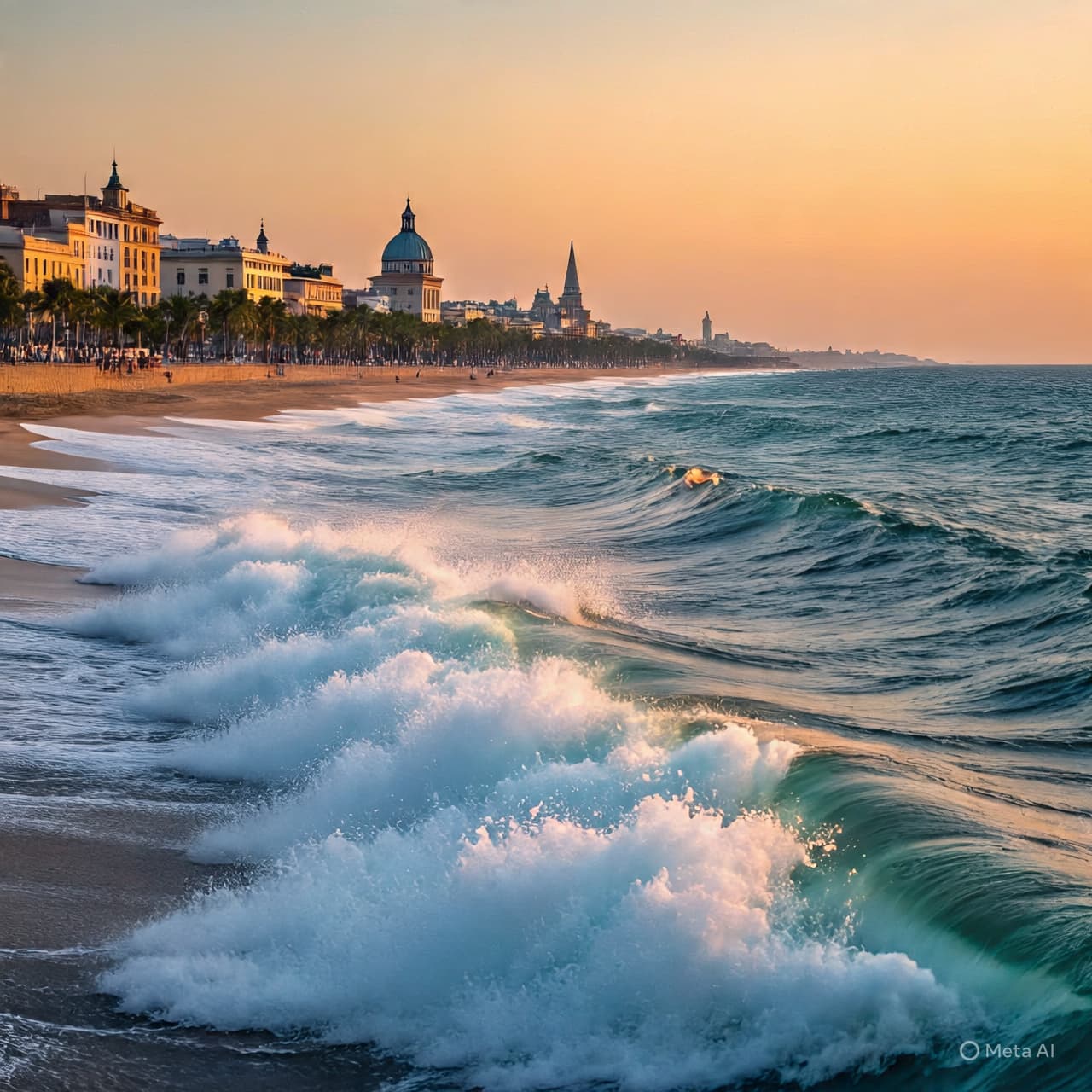
Cuba's Malecón, a vibrant stretch along the coast of Havana, serves as a living testament to the island's rich history and cultural identity. The rhythmic waves crashing against the stone evoke memories of music, migration, and a complex relationship with the United States. Recently, this horizon has taken on new significance as a Cuban envoy publicly stated that the country is prepared for any potential attack from the U.S. This declaration, while not unprecedented, underscores the ongoing tensions that have characterized U.S.-Cuba relations for decades.
The envoy's remarks come at a time when global geopolitical tensions are rising, drawing attention to longstanding issues between the two nations. Historically, relations have fluctuated between periods of engagement and estrangement, influenced by changing political administrations and the enduring legacy of the Cuban Revolution. The embargo, which has shaped economic and diplomatic interactions for over half a century, remains a central element of this complex relationship.
Cuba's emphasis on preparedness reflects not only external threats but also an internal narrative of resilience. For many Cubans, the language of defense is woven into the fabric of daily life. Markets bustle, public transportation operates, and families gather, yet an underlying awareness of potential external pressures persists. This readiness is less about immediate expectations and more about a continuous state of vigilance, a thread that runs through public discourse and personal lives alike.
Across the Florida Straits, the United States looms large—both geographically and politically. U.S. policies toward Cuba are often influenced by domestic priorities and international strategies, creating a backdrop of sanctions and diplomatic signals that complicate the relationship. The recent statement from the Cuban envoy serves as a reminder of the delicate balance that exists, where rhetoric and reality often intersect.
Yet, beyond the political landscape, the waters separating Cuba and Florida carry a rich history of migration and cultural exchange. These waters have seen countless stories of hope and hardship, moments when the boundaries between the two nations felt less rigid. As relations fluctuate, these shared histories remain a vital part of the narrative, reminding us that geography is not merely a matter of distance but also of connection.
As the sun sets over the Malecón, the envoy's statement resonates within the broader context of international relations. The facts are clear: Cuba is asserting its readiness in the face of potential threats, a stance shaped by historical tensions and current uncertainties. However, amidst these declarations, life on the island continues with its own rhythm—steady and persistent. It is in this continuity that the deeper story of Cuba resides, revealing not just what is said, but how life is lived along a shore that has witnessed it all before.
Published by Banx Network. This article is part of the Banx decentralized media programme, powered by the BXE token on the XRP Ledger.



