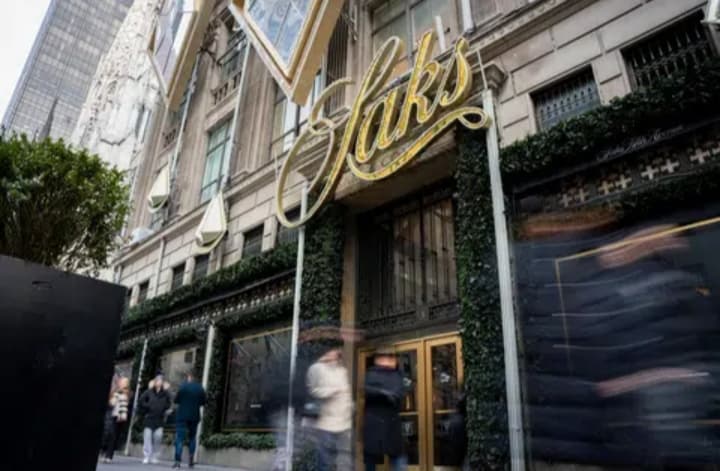
Saks Global has officially filed for bankruptcy, marking a significant turn of events after the company's recent acquisition by Neiman Marcus triggered a financial collapse. The luxury retailer's struggles reflect broader challenges within the industry as it adapts to shifting consumer preferences and economic pressures.
The bankruptcy filing comes as Saks Global attempts to restructure its debts and streamline operations. Analysts suggest that the integration with Neiman Marcus did not pan out as anticipated, leading to a series of financial missteps that ultimately jeopardized the company’s sustainability.
In a statement regarding the bankruptcy, executives expressed disappointment over the unforeseen challenges but emphasized their commitment to preserving the brand's legacy. They aim to navigate the bankruptcy process efficiently to emerge stronger and more competitive in the luxury market.
The luxury retail landscape has been increasingly competitive, with consumers gravitating towards online shopping and new brands that better align with their values. Saks Global’s difficulties serve as a cautionary tale for other retailers navigating this turbulent environment.
As the bankruptcy proceedings unfold, industry observers will be watching closely to see how Saks Global addresses its financial woes and reposition itself for future growth. The implications of this collapse might resonate throughout the luxury market, prompting a reevaluation of strategies among other retailers.
The situation serves as a reminder of the volatility in the retail sector, especially for those brands that fail to keep pace with consumer demands and market trends. As Saks Global charts its path forward, the industry awaits to see if it can reclaim its footing in a challenging landscape.
Published by Banx Network. This article is part of the Banx decentralized media programme, powered by the BXE token on the XRP Ledger.