
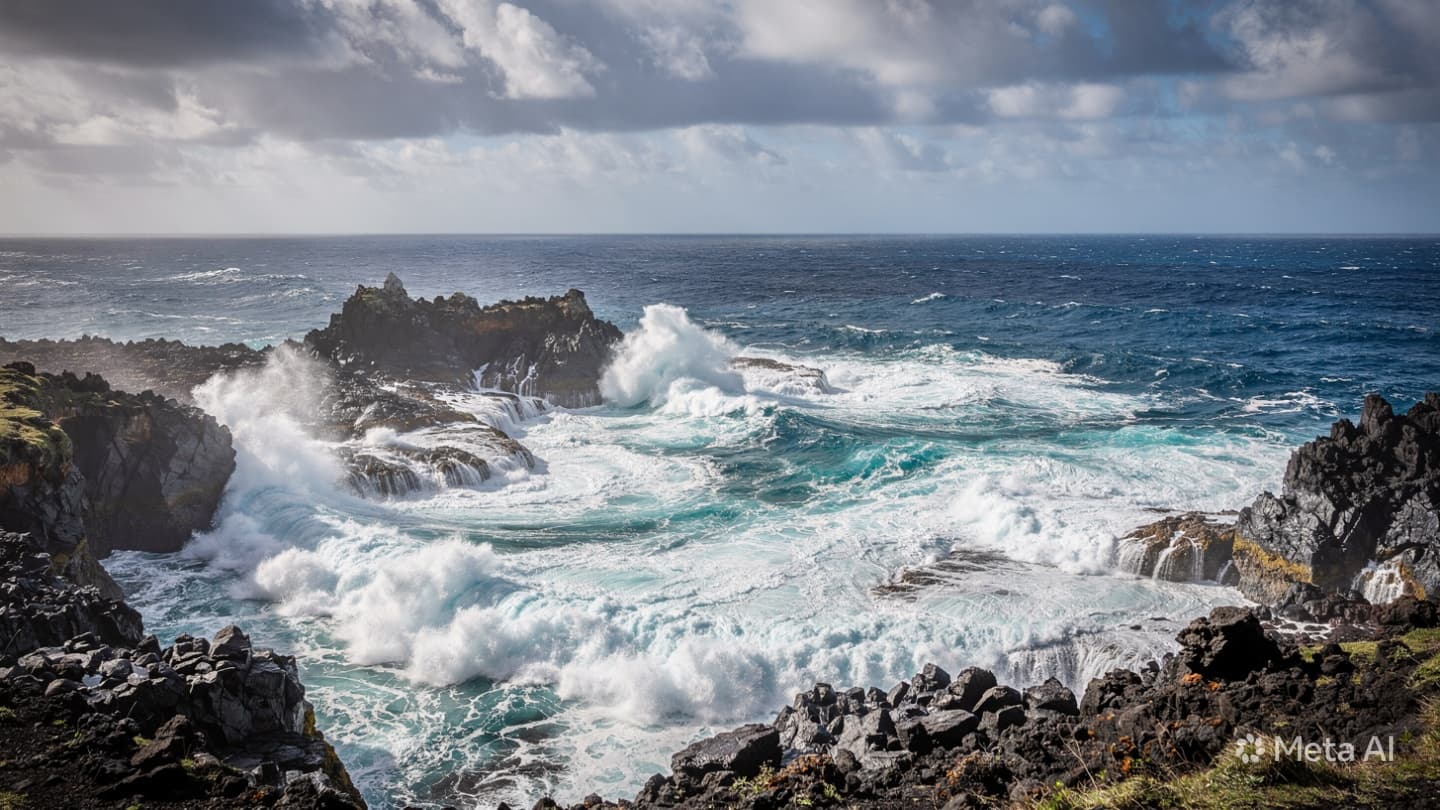
Hong Kong—Marine Police search and rescue teams recovered the lifeless body of a thirty-four-year-old male hiker on Tuesday morning, roughly eighteen hours after he was swept out to sea by powerful rip currents while swimming off a remote, unpatrolled beach in the Sai Kung volcanic rock park sector. The tragic drowning event unfolded on Monday afternoon when the victim and a small group of friends decided to swim at an unofficial coastal inlet after completing a long mountain trail trek.
The Government Flying Service deployed an emergency search helicopter to scan the coastline alongside multiple Marine Police interceptor vessels after the victim's companions placed an urgent emergency call detailing that their friend had vanished beneath the heavy surf. High-volume offshore swells and low visibility conditions hampered initial evening maritime operations. Search teams finally located the body floating near a rocky headland approximately one kilometer away from the initial swimming entry point.
Eyewitness accounts from the victim's hiking group indicate that the group entered the water to cool off from the high summer heat, unaware that the specific bay was experiencing extreme tidal undertows and hidden rip channels. The thirty-four-year-old man was suddenly pulled into deep water by a fast-moving current corridor. Despite his fitness and frantic attempts by his companions to throw him an improvised floating line, the aggressive outward surge dragged him past the break zone within minutes.
Sai Kung’s remote coastal pockets, celebrated globally for their dramatic scenery and pristine white sand alcoves, feature some of Hong Kong's most treacherous ocean conditions. Because these outlying beaches lack lifesaver towers, public warning flags, or emergency medical gear, responding to sudden maritime crises requires significant deployment times for urban rescue fleets. Motoring associations and park rangers consistently post notices warning hikers that open-water swimming in these pristine areas is highly hazardous due to sudden changes in wind and shelf topography.
Oceanography experts warn that rip currents—narrow, high-velocity channels of water flowing directly away from the shore—can easily overpower even advanced Olympic-level swimmers. The standard survival protocol mandates swimming parallel to the beach line to break free from the localized current funnel rather than fighting directly against the inward flow, a nuance that panic often obscures during active drowning emergencies.
The body of the deceased was carefully moved to the Marine Police base in Sai Kung, where waiting relatives performed the initial agonizing formal identification. Investigators confirmed that there were no suspicious circumstances surrounding the coastal event, officially designating the case as a tragic misadventure drowning.
The local district council has reiterated its appeal to the Leisure and Cultural Services Department to evaluate installing emergency solar-powered emergency call boxes and basic ring-buoy stations at the trail exits leading down to these high-risk unpatrolled bays. Park staff will increase foot patrols along the trail junctions to actively discourage casual hikers from wading into volatile coastal surf zones.
A formal coroner’s inquiry will be scheduled over the coming weeks to compile the definitive medical report, while administrative officials process the documentation required to release the remains to the family for final memorial arrangements.
Published by Banx Network. This article is part of the Banx decentralized media programme, powered by the BXE token on the XRP Ledger.


