The sky above the United Kingdom is a busy corridor of movement, a complex web of trajectories that connects cities and cultures. For travelers, the expectation is one of seamless transit, a promise that the machinery of modern aviation will carry them safely and efficiently to their destinations. Yet, this intricate system is fragile, susceptible to disruptions that ripple through schedules and plans with startling speed. Recently, a technical issue within the air traffic control network caused widespread flight delays and cancellations across the country. This event serves as a gentle reminder of the interdependence of our infrastructure and the patience required when technology falters. It invites us to reflect on the unseen efforts that keep our skies organized and the resilience of those affected by the pause.
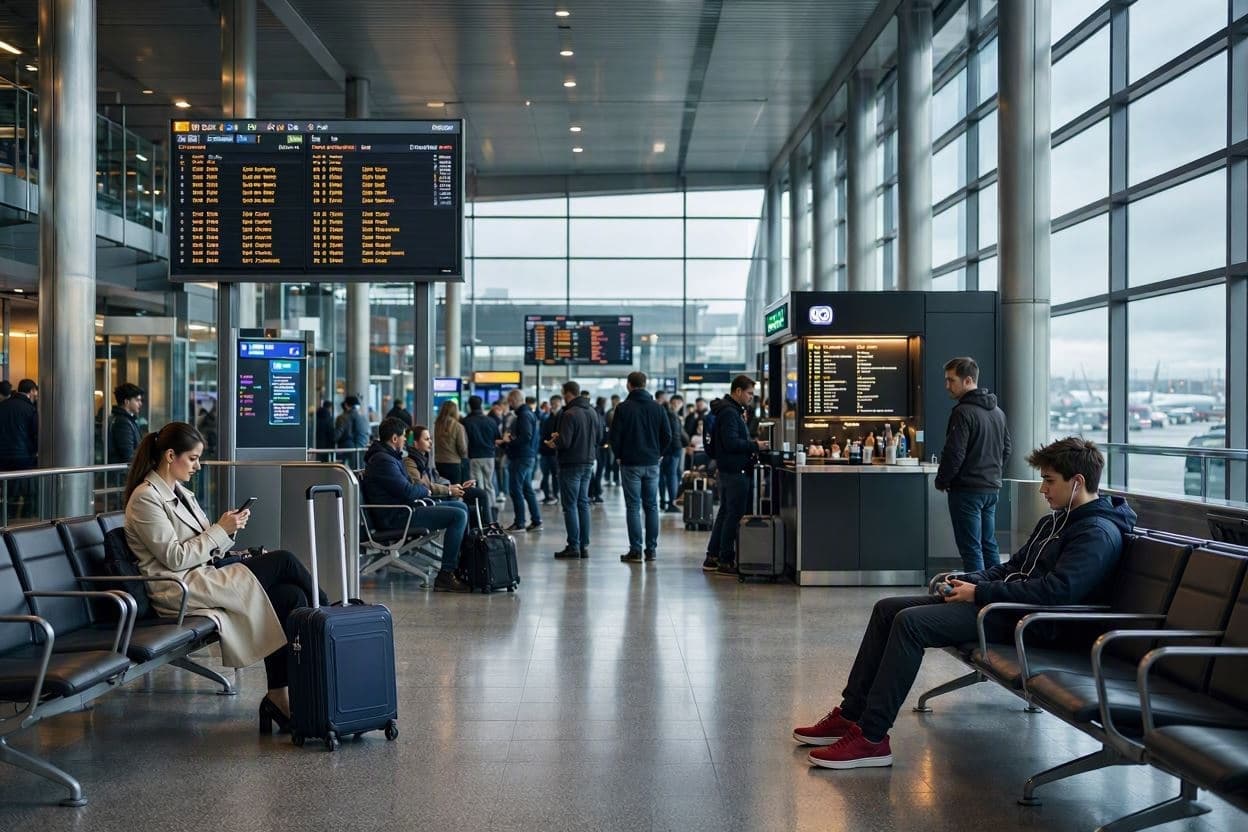
The disruption originated from a technical fault in the air traffic management system, a critical component that guides aircraft safely through crowded airspace. When such systems encounter errors, safety protocols dictate a cautious approach, often resulting in ground stops or significant delays. For passengers waiting in terminals, the uncertainty can be stressful, turning what should be a routine journey into a test of endurance. The atmosphere in airports shifts from anticipation to frustration, though many respond with understanding, recognizing that safety must always take precedence over speed.
Air traffic controllers and technical teams worked diligently to identify and resolve the issue. Their role is often invisible to the public, yet it is fundamental to the order of the skies. In moments of crisis, their expertise and calm demeanor are vital in managing the backlog of flights and ensuring that no compromises are made on safety standards. The successful resolution of the glitch highlights the professionalism and dedication of these unsung heroes of aviation.
The economic impact of such disruptions is considerable, affecting airlines, airports, and businesses reliant on timely travel. Flight crews face scheduling challenges, and passengers may incur additional costs for accommodations or missed connections. These ripple effects demonstrate how tightly woven the global economy is, where a single technical hiccup can have far-reaching consequences. It underscores the importance of robust backup systems and continuous investment in infrastructure reliability.
For the traveling public, the experience is a shared moment of inconvenience. Strangers in terminal lounges often find common ground in their situation, sharing stories and offering mutual support. This sense of community, however brief, can alleviate some of the stress associated with travel delays. It reminds us that despite the impersonal nature of large-scale transport, human connection remains a constant source of comfort.
Regulatory bodies and aviation authorities typically review such incidents to prevent future occurrences. Lessons learned from these events drive improvements in technology and operational procedures. The goal is to create a system that is not only efficient but also resilient to unexpected failures. This continuous process of refinement is essential for maintaining public trust in air travel.
As flights gradually resume and schedules normalize, the focus shifts to recovery. Airlines work to rebook passengers and restore operations, while airports clear the congestion. The return to normalcy is a gradual process, requiring coordination and communication. It is a testament to the adaptability of the aviation industry and its commitment to serving passengers even in challenging circumstances.
Looking ahead, the incident reinforces the need for ongoing vigilance and innovation in air traffic management. As air travel continues to grow, the demand on these systems increases. Ensuring their stability is a collective responsibility, involving government agencies, private companies, and international partners. It is a shared journey toward a more reliable future.
The air traffic control disruption in the U.K. highlights the fragility and complexity of modern aviation systems. It underscores the importance of safety and the resilience of travelers. Let us appreciate the efforts to restore order.
AI Image Disclaimer: Please note that any visual representations in this article are AI-generated illustrations created for conceptual clarity.
Sources: BBC News The Guardian Sky News
Published by Banx Network. This article is part of the Banx decentralized media programme, powered by the BXE token on the XRP Ledger.