In the world of construction and engineering, trust is the invisible foundation upon which every structure rests. We walk into buildings assuming they will stand firm, relying on the expertise of professionals who design them with precision and care. However, a recent development in New Brunswick has shaken this assumption, revealing how fragile that trust can be when professional standards falter.
Hélène Thériault, a structural engineer based in Moncton, has admitted to "incompetence" that placed public safety at serious risk. This admission, part of a joint submission to the Association of Professional Engineers and Geoscientists of New Brunswick, marks a significant moment in the regulatory oversight of the profession. It is not merely a case of error, but an acknowledgment of systemic failure in her work over several years.
The scope of the issue is substantial, involving dozens of apartment buildings across the region. In Dieppe alone, twenty-two structures have been linked to Thériault’s designs. These buildings, homes to hundreds of residents, now face potential repairs and assessments, creating a ripple effect of uncertainty for tenants and owners alike. The financial implications are significant, with lawsuits alleging millions in costs to rectify the structural deficiencies.
For the residents living in these buildings, the news brings a mix of anxiety and frustration. Many were unaware of the underlying issues until recently, raising questions about communication and transparency in the housing sector. The feeling of safety within one’s home is paramount, and when that is compromised, the emotional toll can be as damaging as the physical defects.
The engineering community has responded with calls for stricter oversight and more rigorous plan reviews. This incident serves as a catalyst for broader discussions about how professional bodies monitor their members and ensure compliance with safety standards. It highlights the need for proactive measures rather than reactive corrections, emphasizing prevention over remediation.
Thériault has agreed to have her license revoked, a decision that underscores the seriousness of her admissions. While this action removes her from practice, it does not immediately solve the problems left in her wake. The process of identifying and fixing the affected buildings will take time, requiring coordination between engineers, municipalities, and property owners.
As the investigation continues, the focus remains on ensuring that all affected structures are made safe. Authorities are working to prioritize inspections and provide guidance to those impacted. It is a complex logistical challenge, but one that must be addressed with diligence and care to restore public confidence.
This story is a reminder of the importance of accountability in professional fields. It calls for a renewed commitment to excellence and integrity, ensuring that the structures we inhabit are not only functional but also safe. As the community moves forward, may it find strength in unity and clarity in resolution.
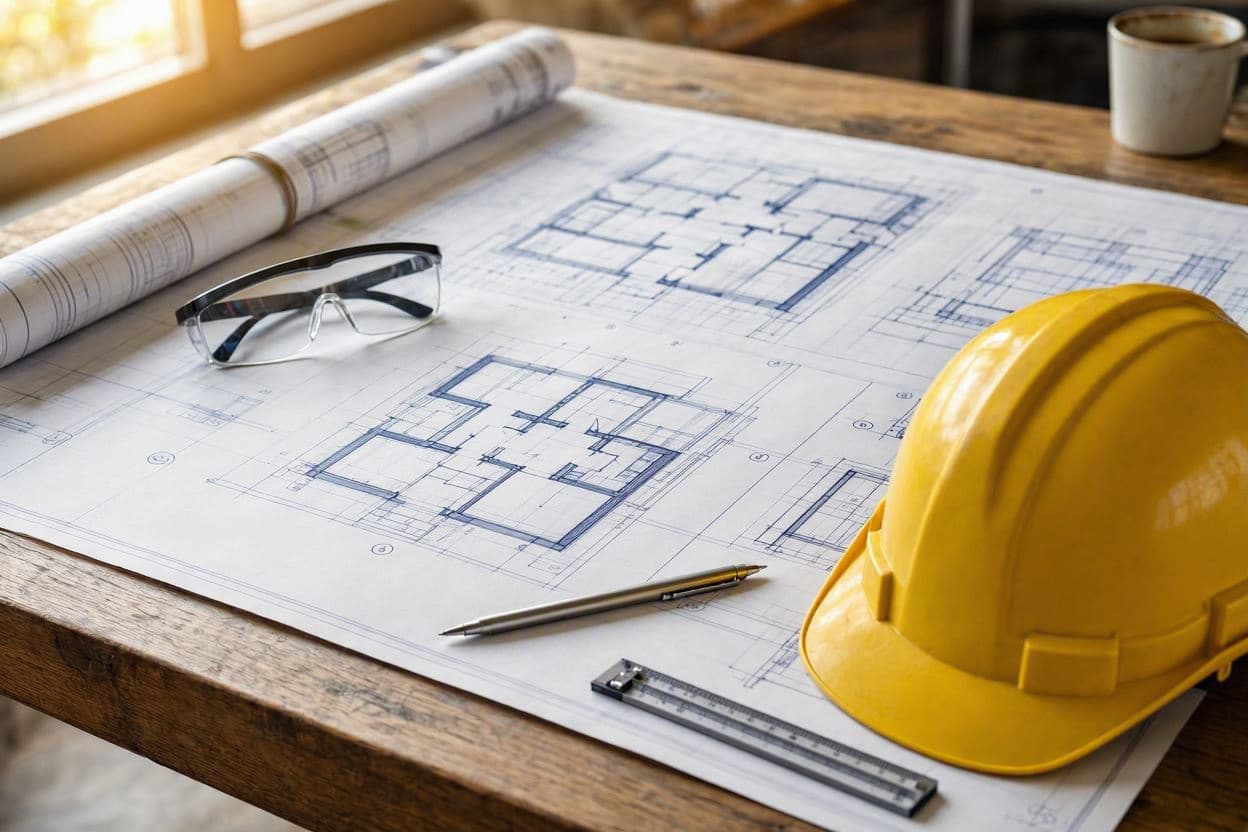
AI Image Disclaimer: The visual representations in this article are AI-generated to illustrate the themes of structural integrity and professional responsibility, without depicting specific real-world locations or individuals.
Sources: CBC News, Yahoo News, Global News, Association of Professional Engineers and Geoscientists of New Brunswick
Published by Banx Network. This article is part of the Banx decentralized media programme, powered by the BXE token on the XRP Ledger.