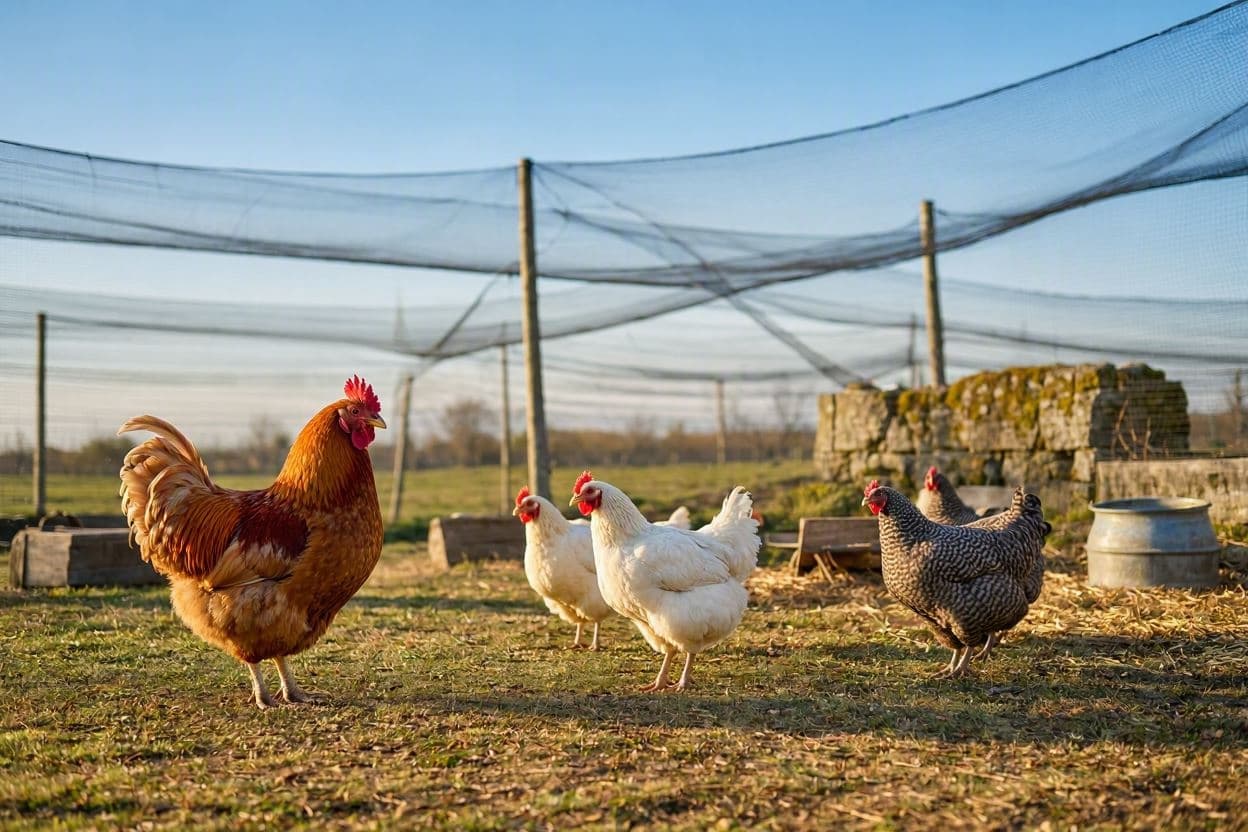
The image of free-range poultry is one of pastoral tranquility, where birds roam under open skies, embodying a connection to nature that consumers increasingly value. Yet, this very openness, which defines the ethical appeal of the industry, also presents a unique vulnerability. In Australia, the looming threat of avian influenza casts a shadow over these idyllic farms, challenging producers to balance animal welfare with biosecurity. It is a delicate equilibrium, where the freedom cherished by the flock becomes a vector for potential disaster, forcing a reevaluation of how we protect both our food systems and our farming traditions.
Avian influenza, or bird flu, is a highly contagious viral disease that affects birds worldwide. While Australia has historically remained free from the most severe strains, the global rise in cases has heightened alertness among local authorities and farmers. The virus spreads primarily through wild birds, which migrate across continents, carrying the pathogen without always showing symptoms. For free-range operations, where domestic flocks share the environment with wildlife, the risk of transmission is inherently higher than in enclosed facilities.
Farmers are now implementing stricter biosecurity measures, creating a paradoxical situation where freedom is subtly restricted for the sake of survival. Netting over outdoor runs, enhanced sanitation protocols, and monitoring of wild bird activity have become standard practices. These steps are necessary but come with financial and logistical burdens, particularly for smaller family-owned farms that operate on thin margins. The cost of protection adds another layer of complexity to an already challenging agricultural landscape.
The economic implications extend beyond the farm gate. Consumer confidence in free-range products is built on trust, and any outbreak could severely damage the reputation of the industry. Retailers and exporters are closely watching the situation, knowing that a single case can lead to trade restrictions and market closures. The stakes are high, not just for individual farmers but for the broader agricultural economy that relies on the premium status of Australian poultry.
Veterinarians and epidemiologists emphasize that prevention is the only viable strategy. Vaccination is not currently widely used in Australia for commercial flocks due to trade implications and the difficulty of distinguishing vaccinated birds from infected ones in testing. Therefore, vigilance and early detection are critical. Regular testing and rapid response plans are being refined to ensure that if the virus does arrive, its spread can be contained quickly.
The psychological toll on farmers should not be underestimated. The constant worry of an invisible threat can be exhausting, turning daily chores into acts of defense. Community support networks are becoming increasingly important, allowing producers to share resources, information, and emotional resilience. This solidarity is a testament to the strength of rural communities in the face of uncertainty.
Government agencies are working alongside industry bodies to provide guidance and financial assistance where needed. Policies are being reviewed to ensure they are practical and effective, recognizing that a one-size-fits-all approach may not work for diverse farming systems. Collaboration between public and private sectors is essential to navigate this complex challenge.
As the season changes and migration patterns shift, the industry remains on high alert. The threat of bird flu is a reminder of the interconnectedness of global ecosystems and the fragility of food production. It calls for a collective effort to safeguard the health of animals, the livelihoods of farmers, and the safety of consumers.
The threat of avian influenza poses a significant challenge to Australia’s free-range poultry industry, requiring a balanced approach to biosecurity and animal welfare. As farmers adapt to new risks, the focus remains on prevention, collaboration, and maintaining consumer trust. The situation underscores the need for vigilance in an increasingly connected world.
AI Image Disclaimer: The visual representations accompanying this article are AI-generated interpretations designed to symbolize the balance between nature and biosecurity, using abstract imagery of open fields and protective structures.
Sources: Department of Agriculture, Fisheries and Forestry (Australia) ABC Rural Poultry Industry Association Reports
Published by Banx Network. This article is part of the Banx decentralized media programme, powered by the BXE token on the XRP Ledger.