
Key Highlights
- Dutch Prime Minister Mark Rutte discusses potential strikes on St. Petersburg.
- Rutte emphasizes the need for a formal decree from Ukraine's President Zelenskyy.
- The comments reflect ongoing tensions between Ukraine and Russia amid military strategies.
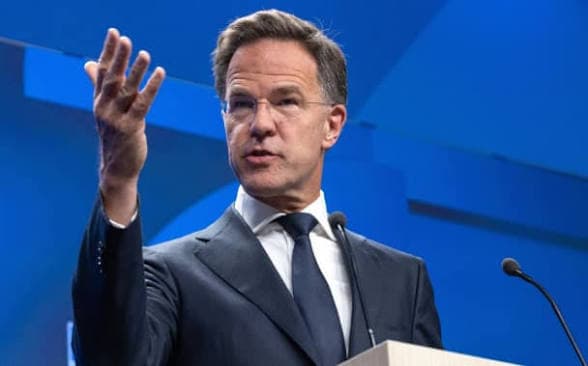
In a recent statement, Dutch Prime Minister Mark Rutte addressed the prospect of military strikes on St. Petersburg coinciding with President Vladimir Putin's upcoming forum. Rutte emphasized that any such actions would require a formal decree from Ukrainian President Volodymyr Zelenskyy, mirroring the protocol followed for the significant May 9th parade, which commemorates Russia's victory in World War II. This statement highlights the legal and diplomatic complexities involved in military engagements, particularly in foreign territories.
Rutte's comments underscore the strategic importance of targeting high-profile events attended by key Russian leaders. He noted that while the military capability of Ukraine is crucial in demonstrating resolve against ongoing aggression, careful diplomatic considerations must guide any decisions regarding strikes. The need for a formal decree indicates a commitment to legal protocols and ethical considerations in military operations.
As the date of the forum approaches, the global community is closely monitoring the implications of Ukraine's military strategies and the potential responses from Russia and its allies. Rutte's emphasis on the necessity of a decree reflects ongoing discussions about the ethics of military engagement in the region, particularly in light of the heightened tensions between Ukraine and Russia.
This development is indicative of the evolving conflict, as both countries prepare for what appears to be a prolonged military engagement. The international dynamics surrounding this situation may dictate how actions are coordinated, balancing defense imperatives with the need for broader alliances. As Ukraine continues to assert its military capabilities, the responses from Russia will likely shape the future of the conflict and the geopolitical landscape in Eastern Europe.
The complexities of military engagement in this context are further compounded by the need for international support and the potential ramifications of unilateral actions. Rutte's statements serve as a reminder of the delicate balance that must be maintained in the face of escalating tensions, as the world watches closely.
Published by Banx Network. This article is part of the Banx decentralized media programme, powered by the BXE token on the XRP Ledger.



