
Key Highlights
- Deployment:Russian forces are using the Garpiya-A1 kamikaze drone in Mali.
- Strategic Withdrawals:This drone usage coincides with Russian withdrawals from key towns.
- Regional Impact:The introduction of drone warfare raises concerns about local stability.
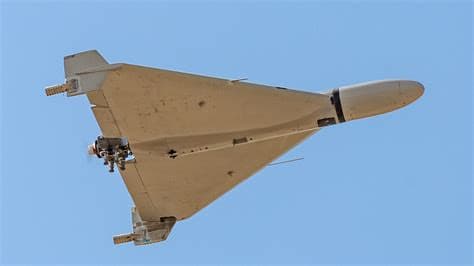
In a notable development in the Mali conflict, Russian military forces have begun utilizing the latest version of the Garpiya-A1 kamikaze drone. This deployment coincides with their withdrawal from several strategic towns, raising concerns about the implications for local stability and regional security. The Garpiya-A1 drone, which has been described as a fusion of advanced technology, is designed for precision strikes and has been observed targeting rebel positions and suspected insurgent hideouts.
Analysts believe that the use of such advanced technology signifies Russia's commitment to maintaining a foothold in Mali, even as ground forces retreat from occupied territories. The Garpiya-A1 is equipped with capabilities that allow it to operate effectively in complex environments, making it a valuable asset for Russian military operations in the region. This shift in tactics could potentially alter the dynamics on the ground, particularly as local and international actors assess the continuing influence of Russian military support in the region.
The Mali conflict is already complicated by various factions and external interventions, including the presence of French and United Nations forces. The introduction of sophisticated drone warfare adds an additional layer of complexity to an already volatile situation. The Garpiya-A1's deployment may embolden Russian forces and their allies, potentially leading to escalated confrontations with local insurgent groups.
As developments unfold, both local populations and international observers will be closely monitoring the effectiveness and repercussions of this drone deployment. The implications of this technology on the conflict's trajectory could be significant, influencing not only military strategies but also the broader geopolitical landscape in West Africa. The use of drones in warfare has been a growing trend, and Russia's latest move in Mali reflects a broader strategy to leverage advanced military technology in its foreign engagements.
In conclusion, the deployment of the Garpiya-A1 kamikaze drone in Mali represents a critical juncture in the ongoing conflict. As Russian forces adapt their tactics, the international community must remain vigilant in assessing the potential consequences for regional stability and security.
Published by Banx Network. This article is part of the Banx decentralized media programme, powered by the BXE token on the XRP Ledger.



