
Key Highlights
- Cross-Border Refueling:Residents in Zabaykalsky region are offered refueling services in China.
- Severe Shortages:Gasoline shortages have led to strict limits on fuel sales.
- Regional Response:Authorities are considering measures to manage the crisis.
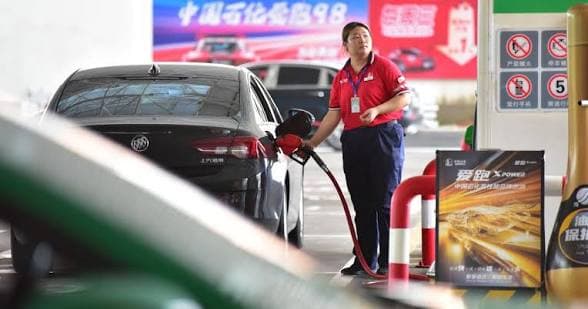
Residents in Russia’s Zabaykalsky region are increasingly turning to cross-border refueling services in China as local gasoline shortages continue to disrupt supplies. This trend has emerged as advertisements promoting trips to the Chinese city of Manzhouli circulate in Russian messaging groups, targeting individuals in Zabaykalsk and Chita. Drivers are being encouraged to refuel their vehicles in China before returning to Russia, highlighting the desperation for fuel in the region.
Reports indicate that some advertisements also mention the possibility of refilling fuel containers, although they caution that Chinese customs may not allow canisters to cross the border. The prices for fuel vary depending on the type and payment method, with diesel and gasoline offered at different rates when paid in Chinese yuan. This cross-border solution reflects the lengths to which residents are willing to go to secure fuel amid ongoing shortages.
The fuel crisis in Zabaykalsky has been described as severe since late June, prompting regional authorities to implement a high-alert regime. In response to the dwindling fuel supplies, sales to private motorists have been restricted to just 15 liters per day. This limitation has resulted in long queues at filling stations, with many drivers waiting for hours to fill their tanks. To address the growing frustration among residents, officials are considering various measures, including the introduction of an electronic queueing system, increasing police presence at gas stations, and implementing controls on truck traffic, particularly around the border crossing routes used for trade.
The situation in Zabaykalsky is part of a broader pattern of fuel disruptions across Russia, which have been exacerbated by refinery issues and supply-chain pressures. Other regions are also experiencing restrictions, indicating that the gasoline crisis is not isolated to Zabaykalsky. As the government grapples with these challenges, the Kremlin has been urged to take decisive action to alleviate the fuel shortages affecting millions of Russians.
As the fuel crisis continues, the reliance on cross-border refueling services may become a more common practice among residents in affected regions. This trend raises questions about the long-term implications for fuel supply chains and the overall economy in Russia, as well as the potential for increased tensions at border crossings as more individuals seek fuel in neighboring countries.
Published by Banx Network. This article is part of the Banx decentralized media programme, powered by the BXE token on the XRP Ledger.



