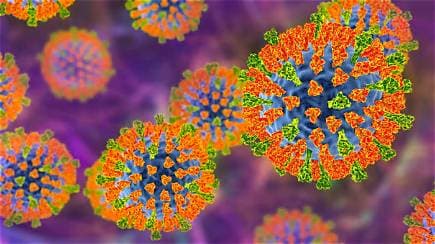
There is a particular anxiety that attaches to the word "plague"—an anxiety that has survived the centuries, that lives in the collective memory of a disease that once emptied cities. In Siberia this week, that anxiety has returned, carried not by fleas or rodents but by the death of a young laboratory worker and a set of conflicting statements from Russian authorities that have left international health officials monitoring a situation they cannot fully see. The United States, the European Commission, and the World Health Organization all say they are watching closely, and all say they have more questions than answers .
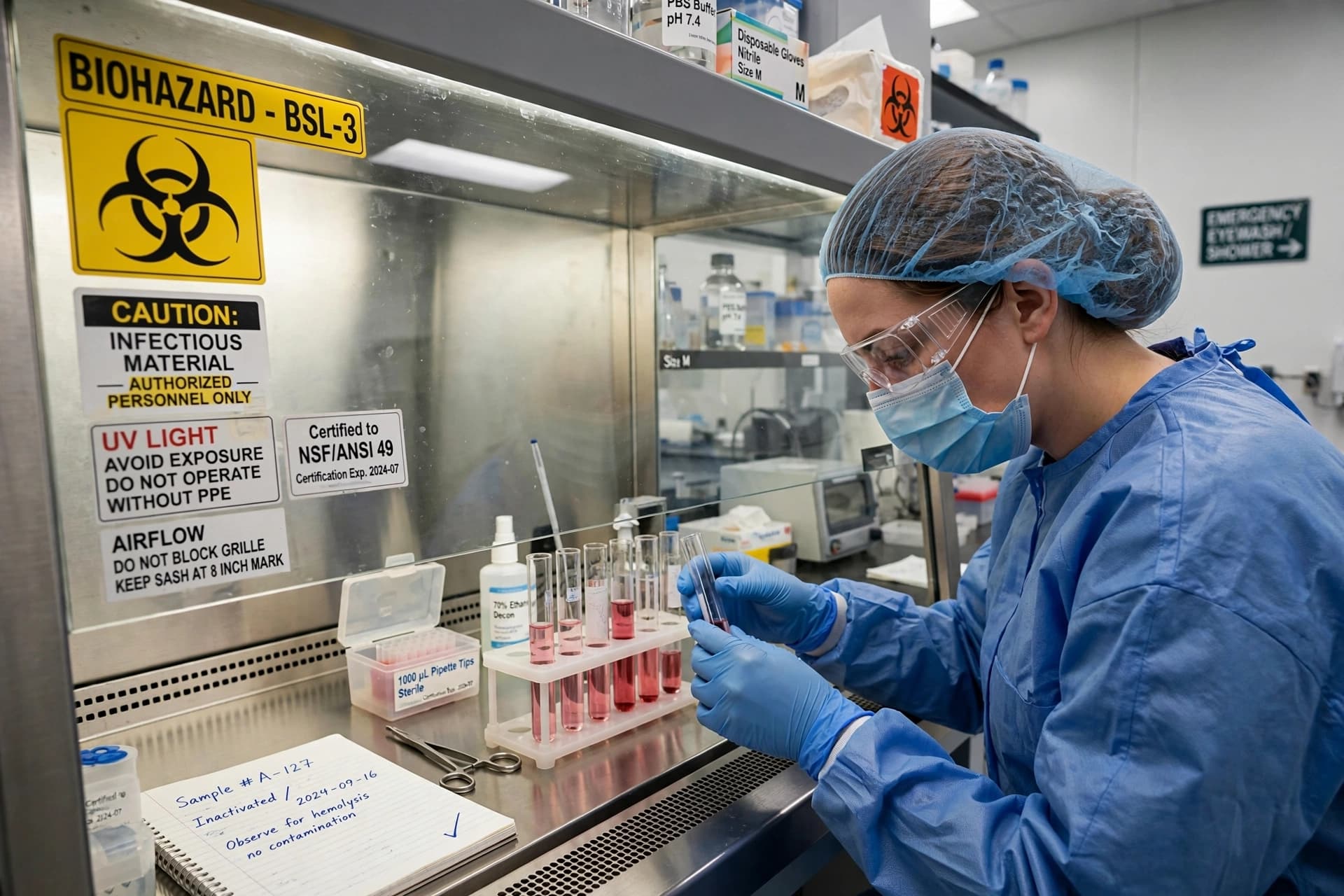
The worker, identified by local media as Daria Shipilova, was in her late twenties. She worked at the Irkutsk Anti-Plague Institute of Siberia and the Far East, a facility founded more than a century ago to study Yersinia pestis—the bacterium responsible for the Black Death . According to unverified reports, she fell ill after accidentally breaking a test tube containing live bacteria on September 25. She was hospitalized several days later with severe pneumonia, placed on a ventilator, and died in the early hours of October 2 .
Russian authorities have provided conflicting accounts of what happened. Alexey Tsydenov, a regional governor, initially announced on social media that a woman had died "from the plague," then edited his post to say "possibly" . The state consumer watchdog, Rospotrebnadzor, has said only that she died from "pneumonia of unknown etiology" and that tests found no pathogens linked to her work, denying any laboratory accident . Kremlin spokesman Dmitry Peskov urged people not to listen to "rumors or speculation" .
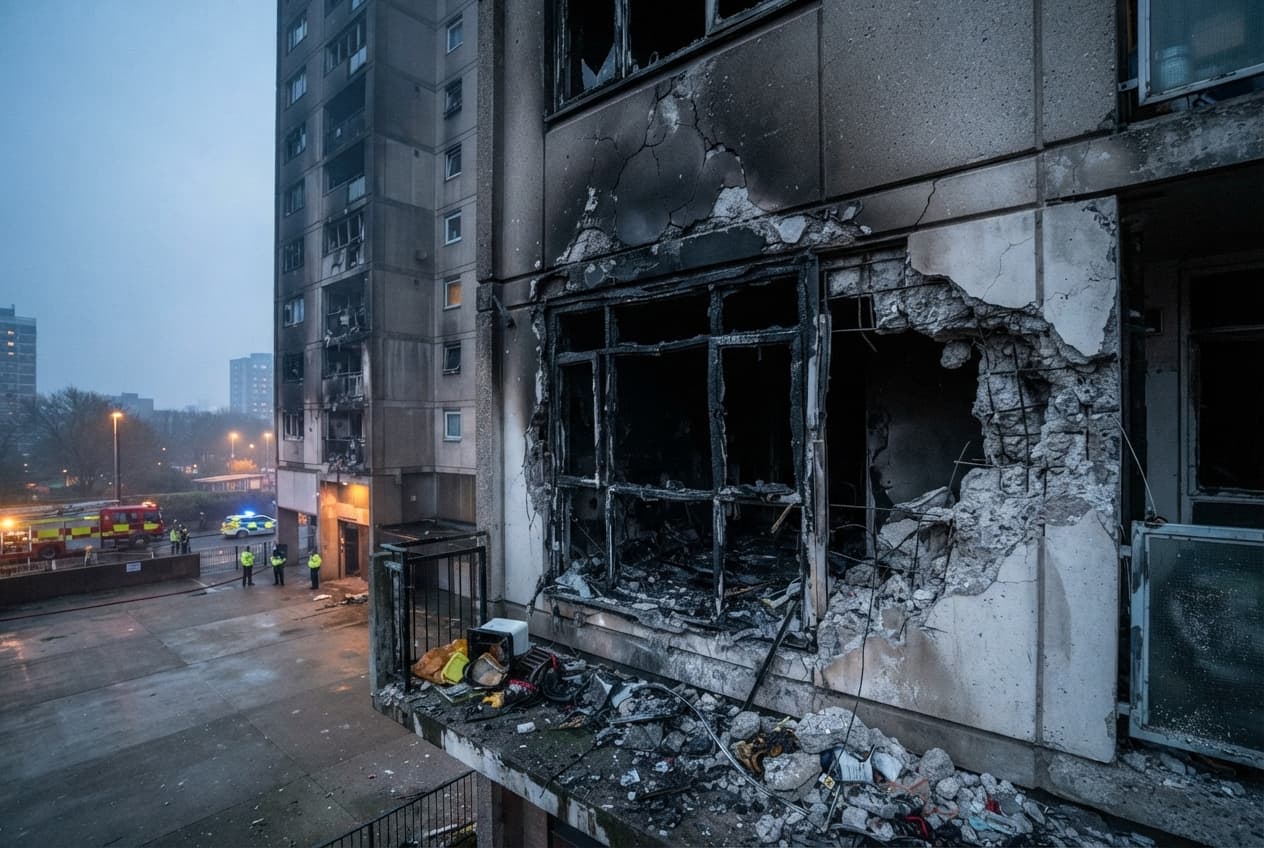
Yet the response has been extensive. Reports indicate that as many as 197 people who may have had contact with Shipilova have been placed under medical observation, with about 189 in hospitals or under supervision . Part of the Shelekhov District Hospital where she died and departments in several other hospitals have been closed for quarantine, according to Euronews, though some Russian state media outlets dispute this . A nearby aluminum plant introduced mask requirements, and residents reported seeing people in protective suits . Russia's chief sanitary official, Anna Popova, traveled 4,200 kilometers from Moscow to Irkutsk to oversee the response .
Secretary of State Marco Rubio said the U.S. is monitoring the situation closely. "I don't think it's cause for alarm, but it is cause for focus and a cause to just keep an eye on it," he said . A European Commission spokesperson said Europe was monitoring "very closely" and that "timely and transparent reporting" from Russia was essential . The WHO said it was in contact with Russian authorities and that, based on unofficial information, the public health risk to the general population appeared low—but that the assessment would be updated as more information became available .
Professor Jennifer Nuzzo, director of the pandemic center at Brown University's school of public health, described the situation as "concerning." "The facts of the case that are known, including how authorities are responding to it, increases our worries, that this isn't just a run-of-the-mill laboratory accident," she told the ABC. "Something else seems to be going on" . For now, the questions remain unanswered. The woman is dead. The cause is disputed. And the world is watching a Siberian city where the official silence has spoken louder than any diagnosis.
AI Image Disclaimer: The images accompanying this article were generated by artificial intelligence and are for illustrative purposes only.
Sources: Australian Broadcasting Corporation, BBC, Politico, News24, ANSA Brasil
Published by Banx Network. This article is part of the Banx decentralized media programme, powered by the BXE token on the XRP Ledger.