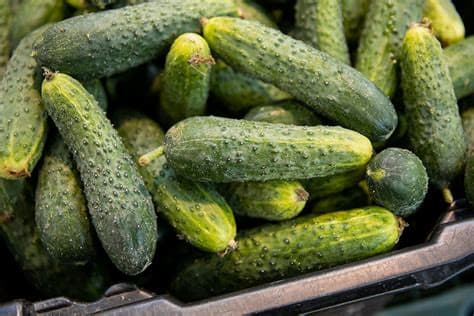
Cucumbers in Russia have recently surpassed the price of bananas, illustrating the dramatic shifts in pricing amid the nation's wartime economy. As inflation rates soar and supply chain disruptions continue, everyday grocery items are becoming increasingly expensive, straining the budgets of Russian households.
Reports indicate that cucumbers are now priced higher than many staple fruits, reflecting the broader economic challenges the country faces due to ongoing sanctions and military expenditures. Consumers are witnessing significant price hikes on various food items, leading to concerns about food security and affordability.
Market analysts attribute the rising costs to several factors, including agricultural disruptions, increased transportation costs, and a decline in local production capabilities. Additionally, the war's impact on trade relationships has further complicated access to essential goods, affecting their availability and price points.
This pricing anomaly has sparked discussions among consumers and economists alike, as many question the long-term implications for Russia's agricultural sector and overall economic stability. As households navigate these challenges, the fear of further inflation looms large, prompting calls for government intervention and support to stabilize the situation.
In light of these developments, it's clear that the challenges facing Russia's economy are not just political but also deeply affect the daily lives of its citizens. The shift in cucumber prices serves as a poignant reminder of how global conflicts can ripple through local markets, altering consumption patterns and impacting food security.
Published by Banx Network. This article is part of the Banx decentralized media programme, powered by the BXE token on the XRP Ledger.